
Home > Contact Us > News
Athletes and fitness enthusiasts continuously search for ways to enhance their performance and recovery during intense physical activity. A cooling towel has emerged as an essential tool that addresses the fundamental challenge of body temperature regulation during sports and outdoor exercise. The rising popularity of cooling towels reflects a growing understanding of how thermal management directly impacts athletic endurance, comfort, and overall performance outcomes in competitive and recreational settings.
The science behind why a cooling towel works so effectively lies in its innovative fabric composition and rapid evaporative cooling technology. Unlike traditional towels, a cooling towel uses advanced microfiber materials and moisture-wicking properties that activate through water exposure, creating sustained cooling effects across the neck, forehead, and arms. This technology allows athletes to maintain optimal core body temperature, reduce fatigue accumulation, and sustain peak performance levels throughout extended training sessions and competitive events.
During intense physical activity, the human body generates significant metabolic heat that must be dissipated to prevent thermal stress and performance degradation. When core body temperature rises excessively, athletes experience reduced endurance capacity, compromised mental focus, and accelerated muscle fatigue. A cooling towel directly addresses this physiological challenge by providing immediate, localized cooling that helps maintain thermoregulatory balance. By managing peripheral temperatures at key points like the neck and forehead, a cooling towel helps athletes stay comfortable and focused during demanding workouts and competitions.
Standard athletic towels absorb sweat but provide minimal active cooling benefit, as they lack the specialized materials required for sustained temperature reduction. These conventional towels warm to body temperature quickly and fail to deliver the evaporative cooling mechanism that a cooling towel provides. The microfiber construction of a cooling towel enables rapid water absorption and prolonged cooling release, creating a measurable performance advantage over regular fabric options. Athletes investing in proper thermal management tools recognize that a cooling towel offers superior functionality for serious training and competition.
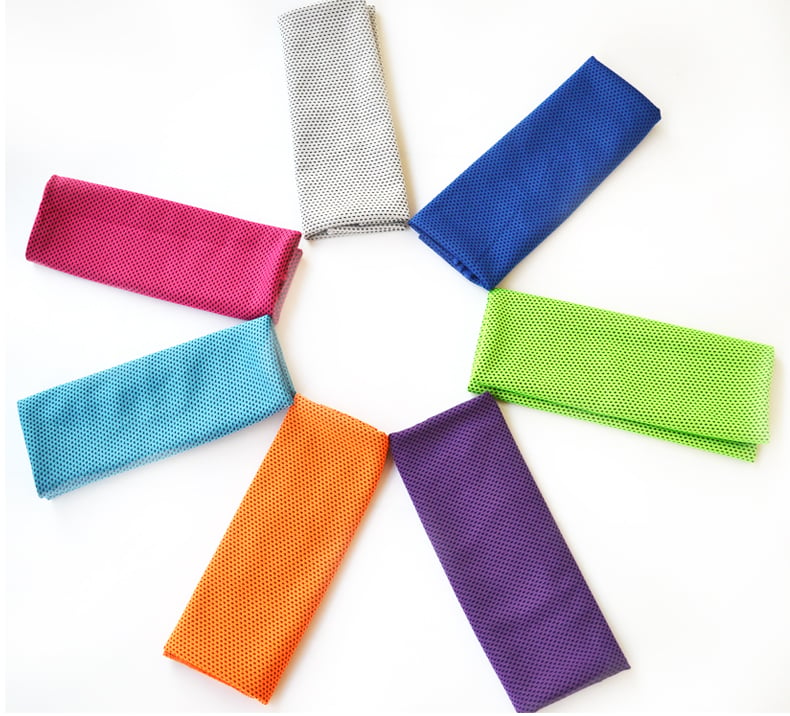
Research and athlete testimonials consistently demonstrate that a cooling towel significantly extends exercise duration and intensity tolerance. By reducing perceived exertion and lowering core temperature rise, a cooling towel enables athletes to maintain higher performance levels throughout training sessions. This thermal regulation benefit proves particularly valuable in outdoor activities where ambient heat amplifies the body's cooling burden. Endurance sports participants, including distance runners, cyclists, and outdoor fitness enthusiasts, report marked improvements in consistency and recovery when incorporating a cooling towel into their training regimen.
During high-intensity interval training, rapid recovery between work phases becomes critical for maintaining output quality and preventing cumulative fatigue. A cooling towel accelerates active recovery by immediately lowering skin temperature and providing psychological comfort during rest periods. The speed at which a cooling towel delivers thermal relief allows athletes to reduce recovery time between intense efforts while maintaining higher average intensities. This efficiency gain makes a cooling towel invaluable for crossfit workouts, circuit training, and sport-specific interval protocols.
Outdoor athletes face compounded thermal stress from both metabolic heat and ambient environmental temperature. A cooling towel becomes especially valuable during summer sports, outdoor fitness classes, and recreational activities where shade and climate control are unavailable. Runners, cyclists, and outdoor fitness enthusiasts use a cooling towel around the neck or draped over the shoulders to combat heat accumulation throughout long sessions. The portability and reusability of a cooling towel make it an economical choice for any outdoor training environment.
Team sport athletes benefit from a cooling towel during sideline rest periods, practice sessions, and tournaments where thermal management directly influences decision-making and physical output. Soccer, basketball, football, and rugby teams increasingly provide a cooling towel to players as part of their performance optimization strategy. The immediate comfort relief delivered by a cooling towel helps athletes maintain focus and aggression late in games and training sessions. Coaches recognize that a cooling towel represents a simple, cost-effective intervention for supporting sustained competitive performance.
While indoor environments offer climate control, high-intensity training still generates substantial body heat that impairs workout quality. A cooling towel supports gym-goers through extended strength sessions, hot yoga classes, and intense cardio training. The versatility of a cooling towel makes it suitable for diverse fitness modalities and training intensities. Athletes combining gym work with outdoor activity particularly value a cooling towel that transitions seamlessly between controlled and environmental settings.
Premium cooling towel products feature high-quality microfiber blends specifically engineered to maximize evaporative cooling and durability through repeated use. Selecting a cooling towel with proven moisture-retention capacity and rapid-drying properties ensures consistent performance across multiple uses and training environments. The thickness and density of a cooling towel directly impact cooling duration and ease of care. Athletes should prioritize cooling towel options that maintain effectiveness through numerous wash cycles and years of training application.
Using a cooling towel effectively requires understanding optimal timing and placement during activity. Most athletes activate a cooling towel by soaking it in water before training, then apply it to high-temperature areas including the neck, forehead, and wrists throughout their session. Reactivation between intense efforts or exercise phases maximizes the cooling benefit throughout extended workouts. Incorporating a cooling towel into pre-activity preparation routines establishes consistent thermal management practice that compounds performance benefits over time.
A cooling towel typically maintains active cooling for 30 to 60 minutes depending on environmental temperature, initial water saturation, and specific product quality. Reactivating the cooling towel by re-soaking in water restores full cooling capacity, making it suitable for multi-phase training sessions and all-day outdoor activities. The duration varies based on ambient heat and humidity, with shorter cooling windows in extremely hot environments.
A cooling towel proves most effective in warm and hot conditions where thermal management becomes challenging. While less critical in cold weather, a cooling towel remains useful for intense indoor training where body heat generation exceeds environmental cooling. Athletes engaging year-round outdoor training benefit from maintaining a cooling towel in their equipment arsenal regardless of season.
Proper maintenance extends cooling towel longevity and preserves cooling effectiveness through regular use. Hand washing or gentle machine cycles with mild detergent protect microfiber integrity better than harsh washing methods. Air drying a cooling towel away from direct heat prevents material degradation and maintains the specialized fabric properties that enable cooling performance. Following manufacturer care guidelines ensures your cooling towel remains a reliable training tool for years.
 Hot News
2024-03-08
2024-03-08
2024-03-08
2024-03-08
2024-03-08
 EN
EN
 AR
AR
 NL
NL
 FR
FR
 DE
DE
 IT
IT
 JA
JA
 KO
KO
 PT
PT
 RU
RU
 ES
ES