
Home > Contact Us > News
Selecting the perfect bath towel for daily home use involves more than just picking any fabric off the shelf. The right bath towel can transform your post-shower experience from ordinary to luxurious, while the wrong choice may leave you feeling damp and uncomfortable. Quality bath towel selection impacts not only your comfort but also your skin health, bathroom aesthetics, and long-term household budget. Understanding the key factors that distinguish premium towels from basic options empowers consumers to make informed decisions that enhance their daily routines.
Cotton remains the most popular material for bath towel manufacturing due to its natural absorbency and softness. Egyptian cotton represents the premium tier, featuring long fibers that create exceptionally plush and durable towels. These fibers produce less lint and maintain their integrity through countless washing cycles. Pima cotton offers similar benefits at a more accessible price point, delivering excellent absorbency and comfort for everyday use.
Turkish cotton provides another excellent option, known for its unique dual-loop construction that enhances both absorbency and quick-drying capabilities. The longer staple fibers in Turkish cotton create a bath towel that becomes softer with each wash while maintaining structural integrity. Regular cotton towels, while more budget-friendly, may not offer the same longevity or luxurious feel but can still serve adequately for basic needs.
Bamboo towels have gained popularity among environmentally conscious consumers seeking sustainable bath towel alternatives. Bamboo fibers naturally possess antimicrobial properties and exceptional moisture-wicking capabilities, making them ideal for humid climates. These towels typically feel silky smooth and maintain freshness longer than traditional cotton options.
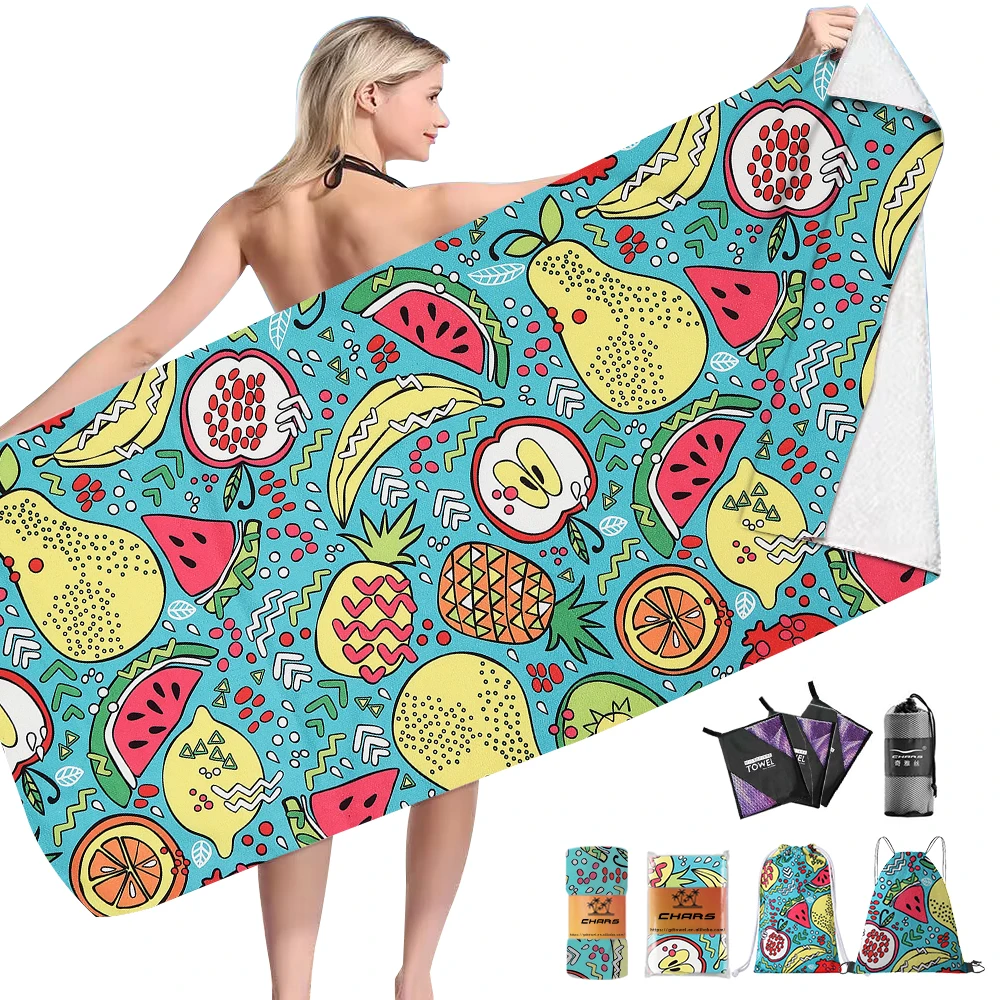
Microfiber presents a synthetic alternative that excels in quick-drying scenarios and compact storage situations. While microfiber bath towel options may not provide the same luxurious feel as cotton, they offer practical benefits for travel or gym use. Blended materials combining cotton with synthetic fibers can provide balanced performance, offering improved durability while maintaining natural comfort.
Bath towel dimensions significantly impact functionality and user satisfaction. Standard bath towels typically measure 27 by 52 inches, providing adequate coverage for most adults. Bath sheet sizes, ranging from 35 by 60 inches to larger dimensions, offer enhanced coverage and wraparound comfort, particularly beneficial for taller individuals or those preferring more generous coverage.
Hand towels and washcloths should complement your main bath towel selection, creating a coordinated set that serves various purposes. Proper sizing ensures efficient drying while maximizing storage space in linen closets. Consider your bathroom space, storage capacity, and personal preferences when selecting appropriate dimensions for your bath towel collection.
Towel weight, measured in grams per square meter (GSM), directly correlates with absorbency and durability. Lightweight towels ranging from 300-400 GSM dry quickly but may lack absorbency for thorough moisture removal. Medium-weight options between 400-600 GSM provide balanced performance, offering good absorbency while maintaining reasonable drying times.
Heavy bath towel options exceeding 600 GSM deliver maximum absorbency and luxurious feel but require longer drying periods and more storage space. The ideal weight depends on your climate, usage frequency, and personal preferences. Higher GSM towels typically last longer and provide better performance, justifying their higher initial cost through extended lifespan.
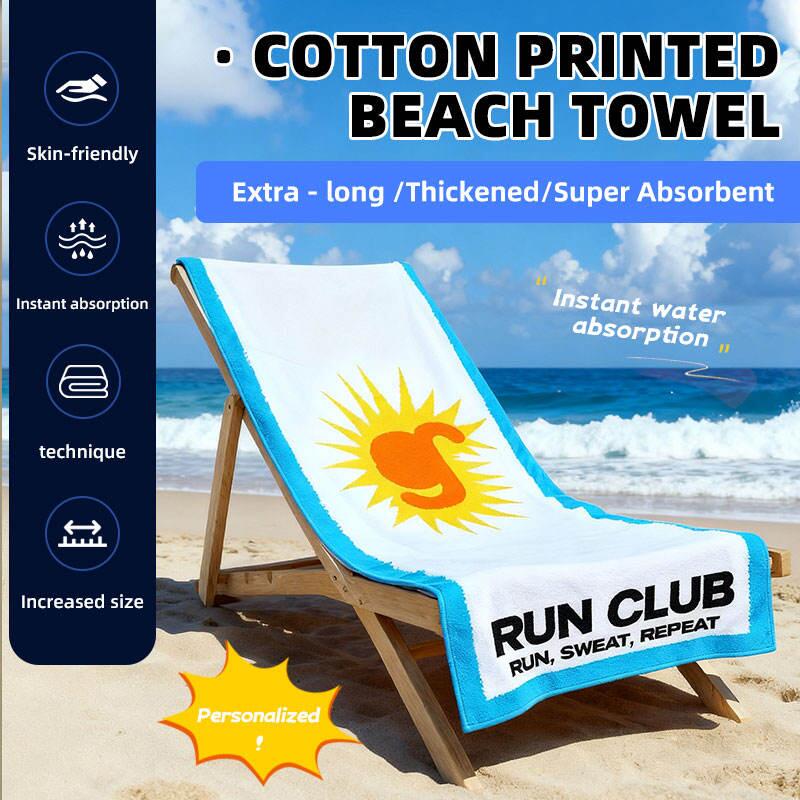
Effective moisture absorption depends on fiber structure, weave pattern, and material treatment. Terry cloth construction, featuring uncut loops on the surface, maximizes surface area for superior water retention. The density and height of these loops determine the bath towel absorbency capacity and overall performance.
Waffle weave patterns create pockets that trap moisture while promoting air circulation for faster drying. This construction style offers excellent absorbency with reduced bulk, making waffle weave towels ideal for smaller bathrooms or frequent travelers. Zero-twist cotton technology eliminates the twisting process during manufacturing, creating softer fibers with enhanced absorbency.
Quick-drying capabilities prevent mildew growth and maintain freshness between uses. Towel thickness, bathroom ventilation, and humidity levels all influence drying time. Thinner bath towel options naturally dry faster but may sacrifice some absorbency. Strategic hanging techniques and adequate spacing between towels can improve air circulation and reduce drying time.
Climate considerations play a crucial role in towel selection. Humid environments benefit from quick-drying materials and thinner construction, while dry climates can accommodate heavier, more luxurious options. Proper bathroom ventilation through exhaust fans or windows significantly impacts towel drying performance regardless of material choice.
High-quality bath towel construction features reinforced edges, tight weaving, and consistent fiber density throughout the fabric. Double-stitched hems prevent fraying and extend towel lifespan significantly. Examine the towel edges and corners for signs of quality construction, as these areas experience the most stress during regular use and washing.
Color-fast treatments ensure your bath towel maintains its appearance through multiple washing cycles without significant fading or bleeding. Pre-shrunk fabrics minimize size changes after washing, maintaining the towel's intended dimensions and fit. Quality indicators often correlate with price, but understanding these features helps identify good value options across different price ranges.
Proper care extends bath towel lifespan and maintains optimal performance characteristics. Use mild detergents without fabric softeners, as these products can coat fibers and reduce absorbency over time. Hot water washing removes bacteria and oils effectively but may cause faster wear on delicate fibers.
Avoid overloading washing machines to allow proper water circulation and thorough cleaning. Tumble dry on medium heat settings to prevent fiber damage while ensuring complete moisture removal. Occasional vinegar rinses help remove detergent buildup and restore absorbency to older towels. Proper storage in well-ventilated areas prevents musty odors and maintains freshness.
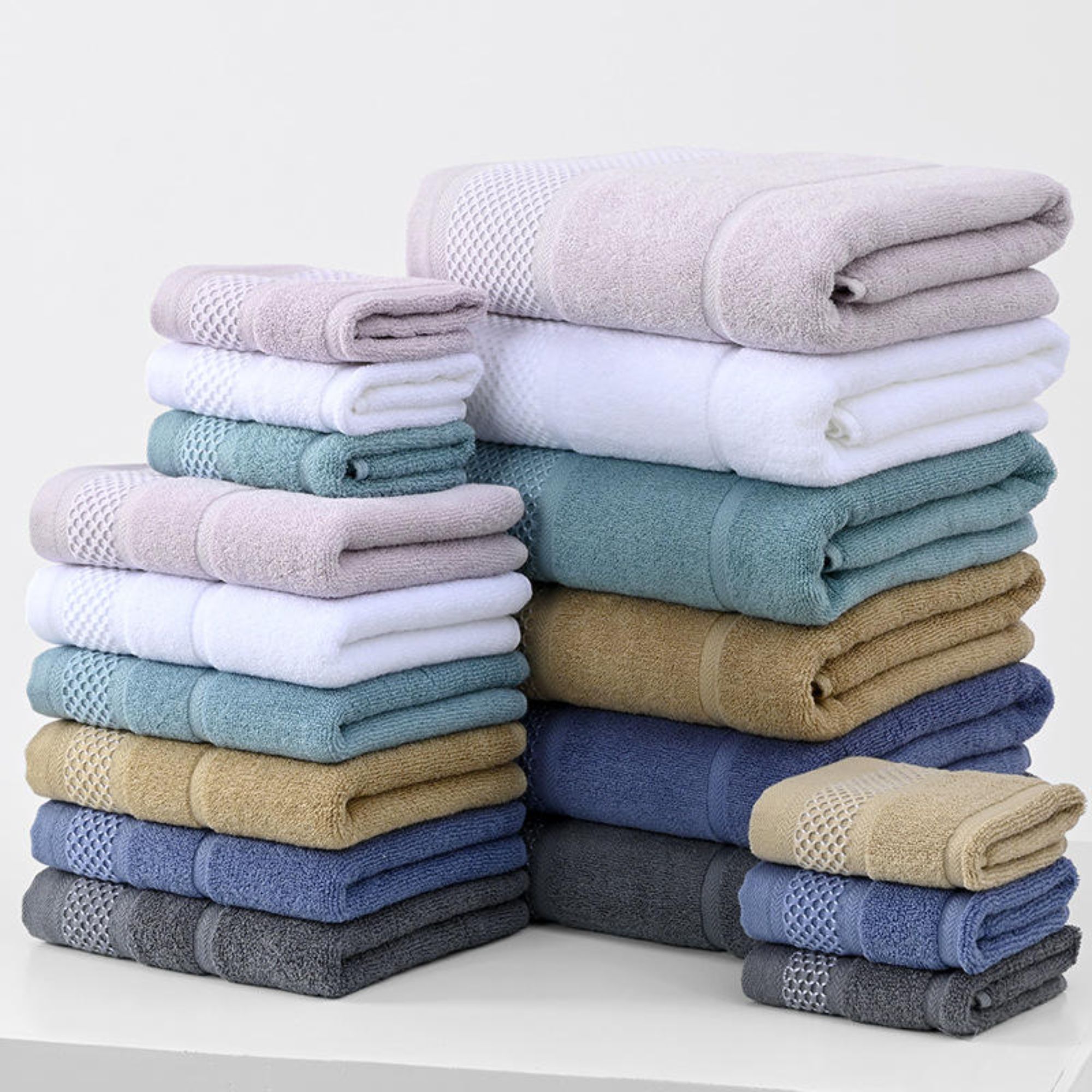
Bath towel color choices impact both aesthetic appeal and practical maintenance requirements. Light colors show stains and discoloration more readily but create bright, clean appearances that complement various bathroom decors. Dark colors hide stains better and maintain their appearance longer but may show lint and require more frequent washing to prevent buildup.
Neutral colors like white, beige, and gray offer versatility and timeless appeal that adapts to changing bathroom designs. These colors also coordinate easily with other bathroom accessories and linens. Bold colors can serve as accent pieces that add personality to bathroom spaces while requiring more careful coordination with existing decor elements.
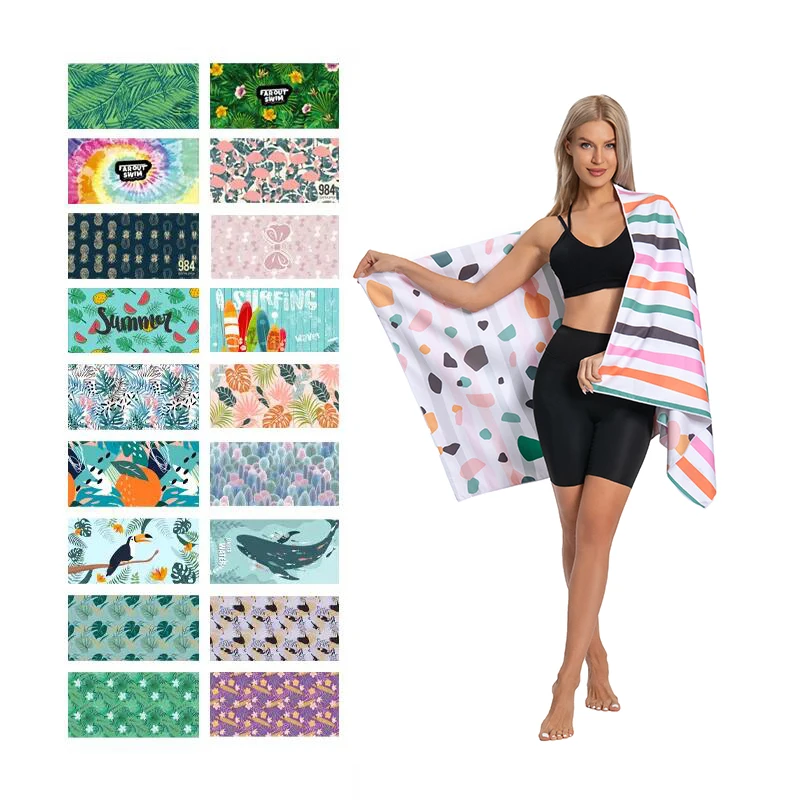
Plain bath towel designs offer classic elegance and easy coordination with various bathroom styles. Textured patterns can hide wear and minor stains while adding visual interest to bathroom spaces. Decorative borders and subtle patterns provide middle-ground options that offer visual appeal without overwhelming bathroom aesthetics.
Consider the overall bathroom design theme when selecting towel patterns and textures. Modern minimalist bathrooms benefit from clean, simple designs, while traditional spaces can accommodate more ornate patterns. The texture should complement the towel's functional performance rather than compromising absorbency or comfort.
Calculating cost per use helps determine true bath towel value beyond initial purchase price. Higher-quality towels lasting five years cost less per use than cheaper alternatives requiring annual replacement. Consider thread count, material quality, and construction features when comparing options across different price ranges.
Set purchasing involves buying complete towel collections at once, often providing better per-unit pricing than individual purchases. However, buying one high-quality bath towel first allows you to test performance before committing to larger quantities. Seasonal sales and clearance events offer opportunities to purchase premium towels at reduced prices.
Quality bath towel investments pay dividends through extended lifespan, maintained performance, and enhanced daily comfort. Premium options may cost three times more initially but often last five times longer than budget alternatives. Factor replacement frequency, washing costs, and user satisfaction into total ownership calculations.
Gradual towel collection building allows budget spreading while ensuring consistent quality across your linen inventory. Start with essential sizes and preferred materials, then expand the collection over time. This approach prevents overwhelming initial expenses while building toward complete, coordinated towel sets.
Quality bath towels typically last two to five years with proper care, depending on usage frequency and maintenance practices. Signs indicating replacement needs include persistent odors, reduced absorbency, excessive thinning, or frayed edges. Regular rotation between multiple towels extends individual towel lifespan by reducing wear from daily use.
Medium-weight towels ranging from 450-550 GSM offer optimal balance between absorbency and drying efficiency for most households. This weight range provides sufficient moisture absorption while maintaining reasonable drying times and storage practicality. Adjust weight preferences based on climate conditions and personal comfort preferences.
Fabric softener should be avoided on bath towels as it coats fibers and significantly reduces absorbency over time. Instead, use white vinegar occasionally during rinse cycles to maintain softness while preserving absorption capabilities. Proper drying techniques and quality materials naturally maintain towel softness without chemical additives.
Premium bath towels justify higher costs through superior materials, enhanced durability, better absorbency, and improved comfort. While initial investment is higher, cost per use often favors quality options due to extended lifespan and maintained performance. Consider your budget, usage patterns, and comfort priorities when evaluating towel investments.
 Hot News
2024-03-08
2024-03-08
2024-03-08
2024-03-08
2024-03-08
 EN
EN
 AR
AR
 NL
NL
 FR
FR
 DE
DE
 IT
IT
 JA
JA
 KO
KO
 PT
PT
 RU
RU
 ES
ES