
Home > Contact Us > News
A quality beach towel is an investment in comfort and style, but maintaining its softness and brightness requires the right approach. Many people unknowingly damage their beach towel during washing, causing colors to fade and fibers to become stiff and rough. Understanding the proper care methods for your beach towel ensures it remains luxurious and vibrant for years of beach days ahead.
The challenge lies in balancing hygiene with fabric preservation. Frequent washing is essential for cleanliness, yet each wash cycle exposes your beach towel to potential fading, shrinkage, and texture degradation. With strategic care practices, you can protect both the softness and brightness of your beach towel while keeping it fresh and sanitary for regular use.
The water temperature you choose significantly impacts how well your beach towel retains its color and softness. Warm water is typically ideal for your beach towel because it effectively removes salt, sand, and body oils without the harshness of hot water. Hot water can cause the fibers of your beach towel to contract and the dyes to leach into the wash water, resulting in fading and stiffness. Using cold water preserves color vibrancy but may not fully remove stubborn residues from your beach towel.
Choosing the right detergent is equally critical for maintaining your beach towel's qualities. Select a mild, color-safe detergent specifically formulated for delicate fabrics rather than heavy-duty or bleach-containing options. Avoid fabric softeners when washing your beach towel, as they coat the fibers and reduce absorbency while potentially causing buildup that makes the towel feel stiff over time. Instead, consider using white vinegar during the rinse cycle as a natural alternative that softens your beach towel without chemical residue.
The washing cycle you select directly affects the longevity of your beach towel. Use a gentle or delicate cycle rather than a standard heavy-duty wash to minimize fiber damage and color fading. Never overload your washing machine with your beach towel and other items, as proper agitation and rinsing require adequate space. A crowded load means your beach towel may not rinse thoroughly, leaving detergent residue that dulls the color and creates stiffness.
Wash your beach towel separately from clothing that sheds lint or has zippers and fasteners that could snag the delicate fibers. Turning your beach towel inside out before washing helps protect the outer surface where colors are most vibrant. For particularly soiled beach towels, pre-soak in cool water with a small amount of mild detergent before running the wash cycle to loosen embedded sand and salt without requiring extended agitation.
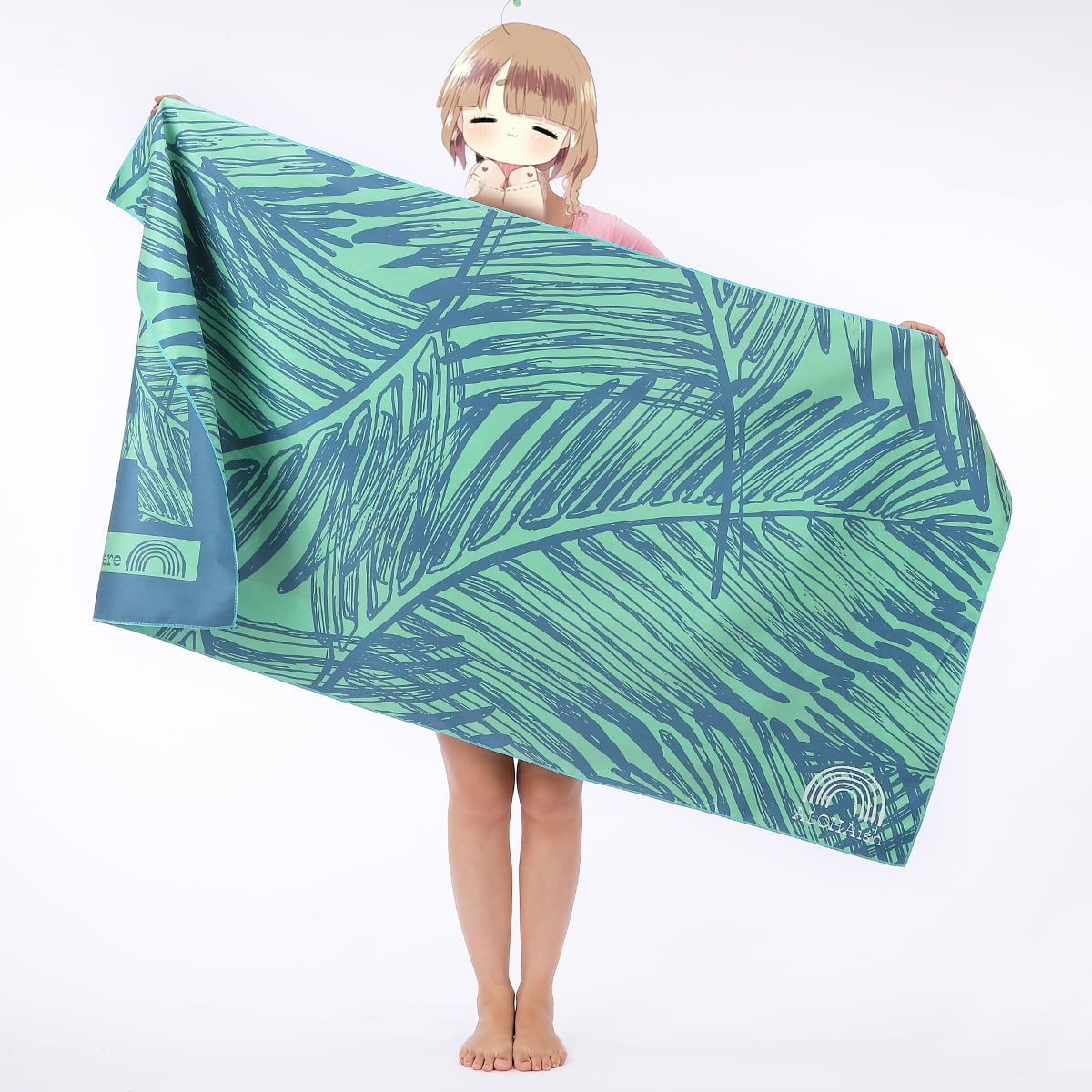
Air drying is the gentlest method for maintaining your beach towel's softness and extending its lifespan. Hang your beach towel in a shaded, well-ventilated area away from direct sunlight, which can cause color fading even as the towel dries. While this method takes longer than machine drying, the reduced heat exposure means your beach towel experiences less fiber damage and retains more of its original softness and color intensity.
If you must use a machine dryer for your beach towel, select a low-heat setting and remove it while slightly damp rather than allowing it to dry completely. The high temperatures of a standard dryer can scorch fibers and set stiffness into your beach towel permanently. Never use dryer sheets with your beach towel, as these leave residue that compromises absorbency and may contribute to that rough, stiff texture that develops with improper care.
Once your beach towel is dry, proper storage plays a crucial role in maintaining its condition between uses. Fold your beach towel loosely or roll it to avoid creating permanent creases that can weaken fibers. Store your beach towel in a cool, dry place away from humidity and direct heat, as moisture and temperature fluctuations can promote mildew growth and color degradation. A breathable storage container or open shelf is preferable to plastic bins that trap moisture around your beach towel.
Occasionally refreshing your beach towel with a light misting of water and gentle hand fluffing between washes helps restore softness without requiring a full wash cycle. For stubborn stiffness that develops despite proper care, soak your beach towel in cool water with a cup of white vinegar for 30 minutes, then rinse and dry as usual. This method dissolves mineral deposits and detergent residue that can accumulate on your beach towel over time, restoring its original plush texture.
Beyond standard washing routines, natural treatments can significantly enhance and maintain the softness of your beach towel. White vinegar is highly effective because it acts as a natural fabric softener and helps remove mineral deposits from hard water that contribute to stiffness in your beach towel. Add one-half to one cup of white vinegar to the rinse cycle of your washing machine when cleaning your beach towel, or dilute vinegar in water and spray it lightly on your beach towel before air drying.
Baking soda offers another chemical-free approach to maintaining your beach towel's quality. Adding one-half cup of baking soda to your wash cycle with your beach towel enhances detergent effectiveness, neutralizes odors, and gently brightens colors without bleach. For your beach towel that has accumulated stubborn odors from salt water or sunscreen, soak it in a solution of water and baking soda before washing to naturally deodorize the fibers.
Protecting the brightness of your beach towel requires ongoing attention to environmental factors and washing practices. Always wash your beach towel with similar colors to prevent dye transfer that dulls both the towel and other items. If your beach towel has been exposed to chlorine from a pool, rinse it immediately in fresh water before storing, as chlorine continues to fade colors even after the towel dries. Rotate your beach towel out of regular use occasionally, alternating with other towels to reduce the cumulative fading effect from frequent washing.
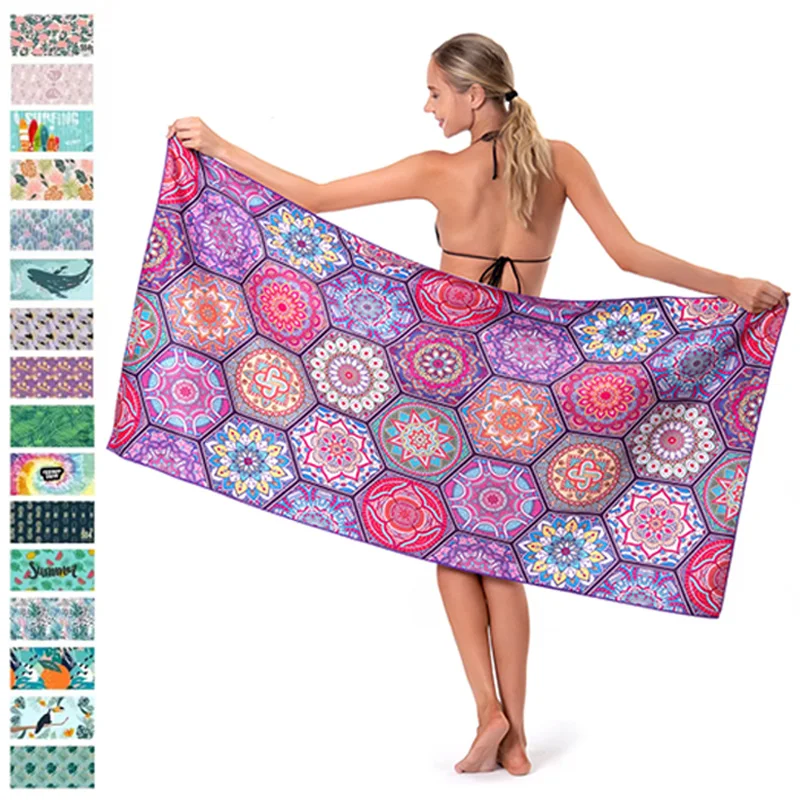
When purchasing a replacement or upgrading your current beach towel, look for options made from high-quality cotton or cotton-blend materials with beach towel construction specifically designed to withstand repeated washing while maintaining softness and color vibrancy. Reactive printing and high-quality dyeing processes ensure that your beach towel resists fading better than cheaper alternatives. Investing in a well-made beach towel from the start means the care techniques you employ will work more effectively and your towel will maintain its beauty longer.
Ideally, wash your beach towel after every 2 to 3 uses or whenever it feels damp or smells of salt and chlorine. Frequent washing with proper techniques is better for maintaining softness than infrequent washing with harsh methods. The key is balancing cleanliness with fabric preservation by using gentle cycles, appropriate water temperature, and minimal detergent for each wash of your beach towel.
Stiffness in your beach towel usually results from detergent buildup, fabric softener residue, or mineral deposits from hard water that accumulate over time. Using too much detergent, not rinsing thoroughly, or using hot water during washing can all contribute to a stiff beach towel. Try soaking your beach towel in white vinegar and water, then washing with half the normal detergent amount on a gentle cycle to restore softness.
Yes, prolonged direct sunlight can fade your beach towel's colors over time, even when the towel is stored indoors near a sunny window. Always air dry your beach towel in shade rather than direct sunlight, and store it away from windows and heat sources. If your beach towel has already experienced some fading, avoid further exposure to bright light to preserve the remaining color vibrancy of the fabric.
 Hot News
2024-03-08
2024-03-08
2024-03-08
2024-03-08
2024-03-08
 EN
EN
 AR
AR
 NL
NL
 FR
FR
 DE
DE
 IT
IT
 JA
JA
 KO
KO
 PT
PT
 RU
RU
 ES
ES