
Home > Contact Us > News
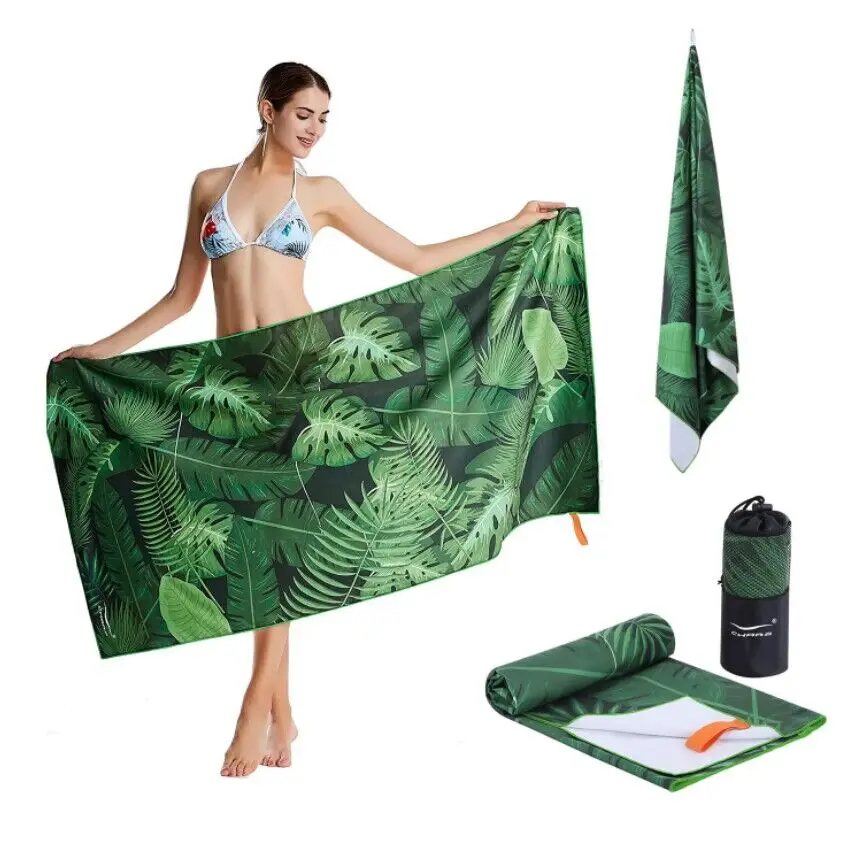
When you head to the beach, pool, or outdoor adventure, selecting the right towel makes a meaningful difference in your comfort and convenience. A beach towel is specifically engineered to meet the demands of outdoor environments in ways that standard household towels simply cannot match. While a regular towel might seem adequate for drying off, a beach towel offers superior functionality, durability, and practicality that justify its distinct design and construction. Understanding why a beach towel outperforms regular towels helps you make smarter purchasing decisions and enhances your outdoor experiences significantly.
A beach towel is larger, more absorbent, and built to withstand saltwater, chlorine, sand, and UV exposure without degrading rapidly. Regular towels, by contrast, are optimized for bathroom use where environmental stresses are minimal and frequency of washing is moderate. The structural differences between these two towel types reflect their intended purposes, and recognizing these distinctions empowers you to select the right textile tool for every situation.
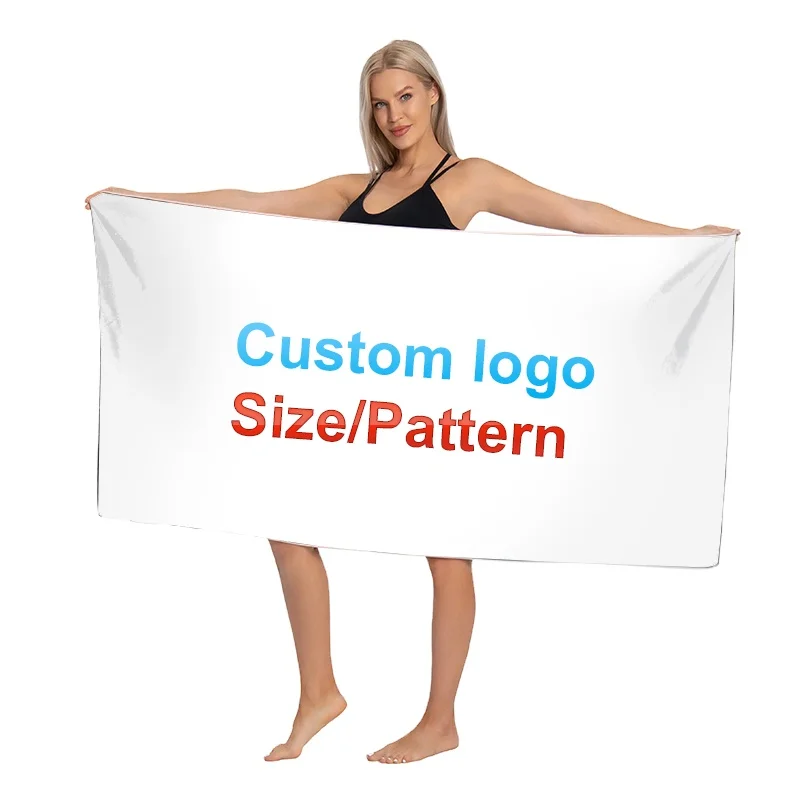
A beach towel typically measures between 30 by 60 inches and 40 by 70 inches, providing expansive coverage that regular towels cannot deliver. Regular towels usually measure around 27 by 54 inches or smaller, offering limited surface area for drying large areas of the body or laying on sand. The extra dimensions of a beach towel mean you can wrap yourself comfortably, sit on the sand without direct contact with moisture, and share coverage with companions if needed.
This size advantage represents a fundamental design principle of the beach towel. When you lay down on a sandy beach or pool deck, a beach towel creates a barrier between your body and the wet surface, protecting your clothing and skin from unnecessary moisture. Regular towels leave gaps and require awkward positioning, reducing comfort during relaxation or recovery after swimming.
Beyond basic drying, a beach towel functions as a ground cover, sunshade wrap, and versatile outdoor accessory that regular towels cannot replicate. The expansive dimensions allow you to drape a beach towel over your shoulders, use it as a changing cover, or spread it across lounge chairs without constant adjustment. A regular towel becomes cumbersome and insufficient for these applications, forcing you to carry multiple items or compromise on functionality.
Outdoor enthusiasts recognize that a beach towel multiplies utility across different scenarios, from poolside relaxation to beach days to camping trips. This versatility makes investing in quality beach towels a practical decision that reduces the need for numerous single-purpose items.
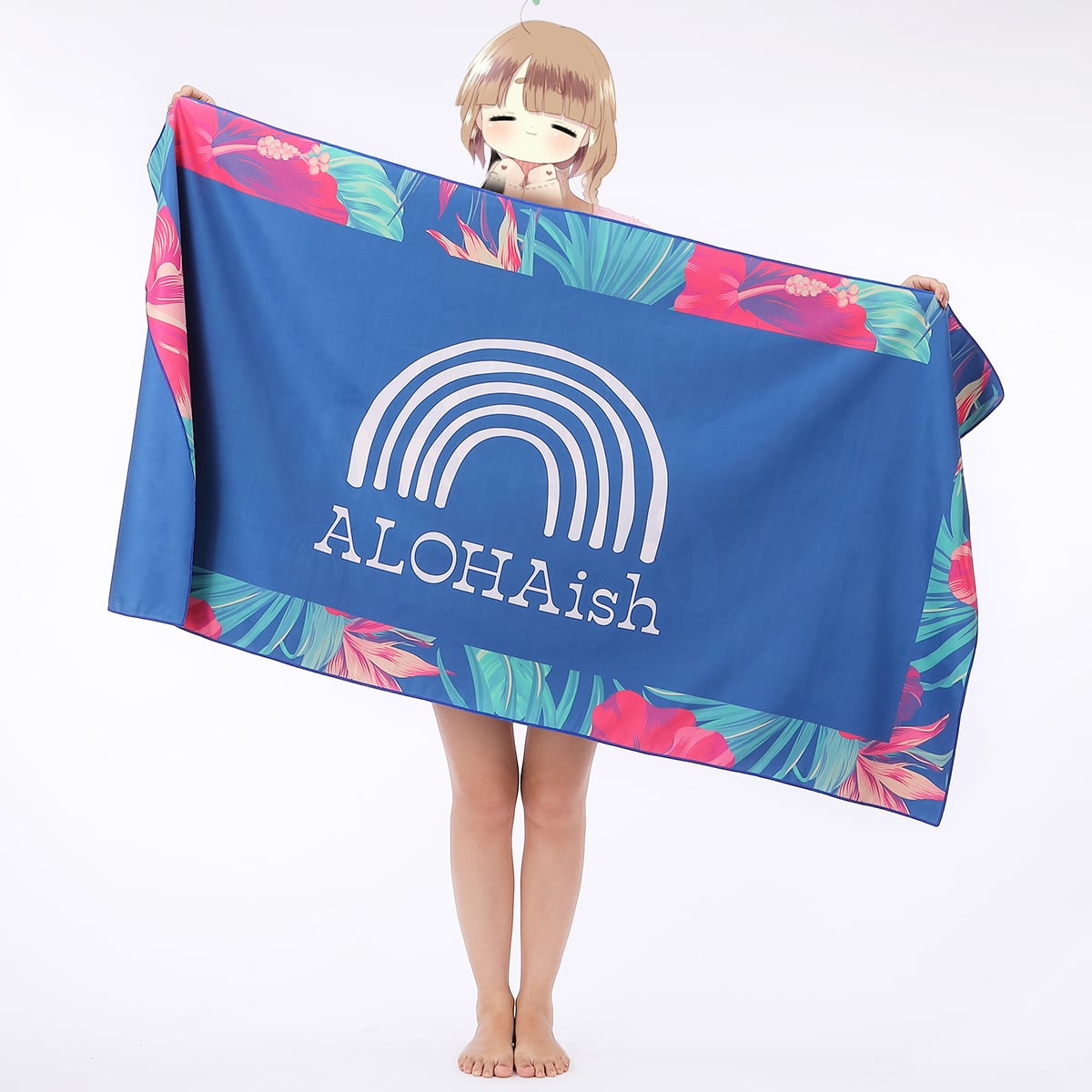
A beach towel employs cotton or cotton-blend materials specifically chosen for rapid moisture absorption and quick-drying performance. The weave structure of a beach towel incorporates looser, more porous fibers than regular towels, allowing water to penetrate and wick away efficiently. Regular towels use tighter weaves designed for softness and durability in controlled indoor environments, which actually slows moisture evaporation when exposed to sun and wind.
The fabric density and fiber composition of a beach towel prioritize functionality over texture softness, enabling superior performance in wet conditions. When saltwater, chlorine, or sand particles contact the fabric, a beach towel's structure resists water retention and allows quick drying that prevents mildew and odor development. Regular towels tend to retain moisture longer, creating conditions where bacteria and unpleasant smells develop, especially when stored damp after outdoor use.
Outdoor environments expose towels to saltwater minerals, chlorine chemicals, intense UV radiation, and sand particles that degrade standard textiles rapidly. A beach towel is engineered to resist these environmental stressors through chemical-resistant fibers and color-fast dyes that withstand repeated exposure. The structural integrity of a beach towel remains intact after dozens of washes in saltwater or chlorine-treated conditions where regular towels experience fiber breakdown and color fading.
This resilience means a beach towel maintains functionality across many seasons of heavy use, while regular towels deteriorate noticeably within one summer of consistent outdoor exposure. The long-term value proposition of a beach towel becomes evident when comparing replacement frequency and performance consistency over time.
A beach towel incorporates reinforced stitching, secure hem construction, and fabric treatments that extend operational life significantly beyond regular towels. The seams on a beach towel are designed to withstand repetitive stretching and tensioning that occurs during outdoor drying and use, while regular towels feature standard stitching adequate only for modest household demands. Beach towel manufacturers invest in edge reinforcement and double-stitched hems that prevent fraying and maintain structural integrity through hundreds of wash cycles.
The investment in robust construction reflects the harsh environments where a beach towel operates. Sand, rocks, and rough pool deck surfaces create mechanical stress that damages inadequately reinforced textiles, but a beach towel's engineering accounts for this challenge. This durability translates to fewer replacements and greater total cost efficiency despite higher initial pricing.
Regular towels suffer from color bleeding, fiber pilling, and fabric degradation when exposed to chlorine, saltwater, and intense sunlight for extended periods. A beach towel incorporates colorfast dyes and UV-resistant fiber treatments that prevent fading and structural breakdown under harsh outdoor conditions. These specialized finishes maintain visual appeal and functional performance where regular towels visibly deteriorate and become increasingly fragile.
Practical experience confirms that a beach towel maintains its integrity through summer seasons of weekly or daily use, while regular towels show significant wear patterns within weeks of comparable exposure. The specialized treatments and material choices that define a beach towel directly address outdoor performance requirements that regular towels were never designed to meet.
You can technically use a regular towel for occasional outdoor use, but it will perform noticeably less well than a beach towel designed for those conditions. Regular towels dry more slowly, provide limited coverage, and deteriorate faster when exposed to saltwater or chlorine. For infrequent casual trips, a regular towel might suffice temporarily, but consistent outdoor activities warrant proper beach towel investment for superior comfort and value.
A beach towel typically uses 100% cotton or cotton-polyester blends with looser weaves that prioritize absorbency and quick drying. Regular towels employ tighter weaves optimized for softness and shape retention during home laundering. Additionally, beach towels incorporate chemical-resistant treatments and colorfast dyes specifically formulated to withstand saltwater, chlorine, and UV exposure where regular towels lack these protective finishes.
A well-made beach towel typically lasts three to five years with regular seasonal use, while regular towels used similarly may deteriorate within one to two years of outdoor exposure. The enhanced durability of a beach towel reflects superior construction standards and specialized fiber treatments that regular towels do not feature. Proper care and occasional rotation further extend a beach towel's lifespan, making it a worthwhile investment for frequent outdoor users.
 Hot News
2024-03-08
2024-03-08
2024-03-08
2024-03-08
2024-03-08
 EN
EN
 AR
AR
 NL
NL
 FR
FR
 DE
DE
 IT
IT
 JA
JA
 KO
KO
 PT
PT
 RU
RU
 ES
ES