
Home > Contact Us > News
Choosing the right swimming cap material is one of the most overlooked decisions swimmers make, yet it directly impacts comfort, durability, and performance in the water. Whether you are a beginner learning to swim, an intermediate swimmer working on technique, or an advanced competitive athlete, the material of your swimming cap affects water resistance, fit, temperature regulation, and how long your equipment lasts. Understanding how different swimming cap materials perform at various skill levels helps you make an investment that truly supports your swimming goals rather than detracts from them.
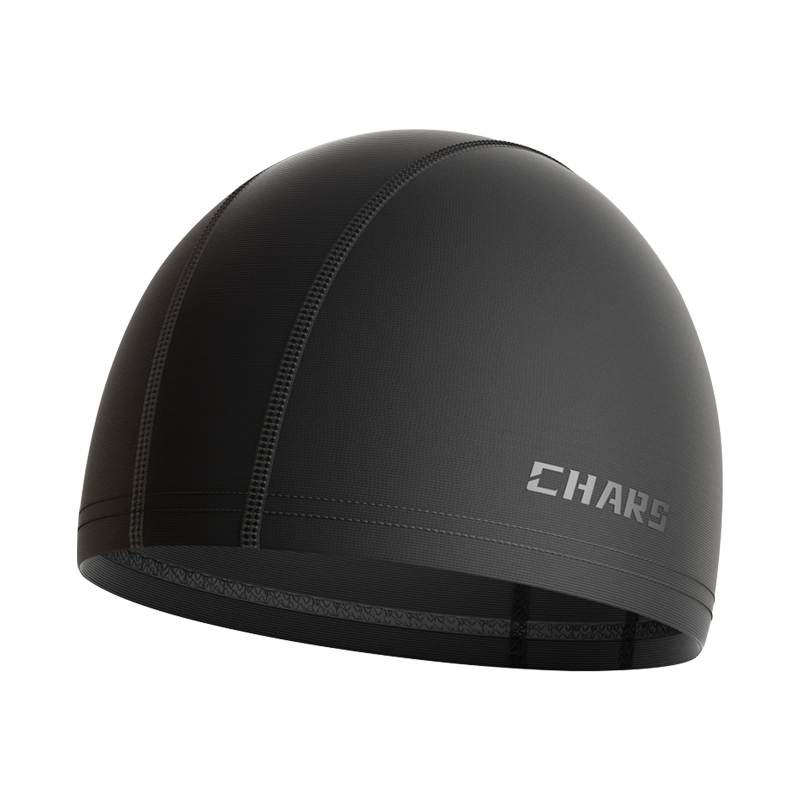
The swimming cap serves practical purposes beyond aesthetics. It reduces drag by keeping hair streamlined, helps with thermal insulation in cold water, and protects hair from chlorine damage. However, not all swimming cap options deliver these benefits equally across different skill levels. Beginners need different material properties than elite swimmers, and intermediate athletes have their own specific requirements. This guide explores how to match swimming cap material to your current ability level so you gain maximum benefit from your swim sessions.
Latex remains one of the most affordable and accessible swimming cap options for people just starting their swimming journey. A swimming cap made from latex stretches easily, making it forgiving during the learning phase when fit precision is less critical. For beginners, this flexibility means you can put on and remove your swimming cap without frustration, even if your sizing is not perfect. Latex swimming caps dry quickly and resist chlorine damage better than older materials, making them practical for recreational swimmers.
The primary drawback of latex swimming cap materials is that they tend to deteriorate faster than silicone alternatives, particularly if you swim frequently. Latex can become sticky or tacky over time, especially in warm environments, which may feel unpleasant against your skin. For a beginner who swims once or twice weekly, however, a latex swimming cap typically lasts several months before degradation becomes noticeable. The cost advantage makes replacing your swimming cap periodically acceptable during the early learning phase.
Silicone represents a significant upgrade in swimming cap durability and comfort, even for beginner swimmers. A silicone swimming cap maintains its elasticity longer than latex, resisting the sticky deterioration that eventually affects latex options. For beginners transitioning from casual swimming to more structured lessons, a silicone swimming cap offers better value over twelve to eighteen months of regular use. The material feels smoother against hair and scalp, reducing the pulling sensation some people experience with lower-quality latex.
Silicone swimming cap materials do cost more upfront than latex alternatives, but the extended lifespan justifies the investment for beginners committed to regular training. Silicone maintains its stretch properties even after hundreds of pool sessions, meaning your swimming cap continues fitting well throughout its useful life. For beginner swimmers aiming to build consistent swimming habits, a quality silicone swimming cap removes the distraction of equipment degradation.
Intermediate swimmers who practice several times weekly benefit significantly from premium silicone swimming cap formulations designed for performance. These advanced silicone swimming caps feature optimized thickness that balances flexibility with reduced drag compared to beginner-grade options. An intermediate swimming cap made from high-performance silicone maintains consistent water shedding properties across extended training sessions, keeping your head hydrodynamic even after one hour in the pool. The material choice directly affects your ability to maintain proper head position and body alignment during longer workouts.
High-performance silicone swimming caps often incorporate reinforced seams and precision-engineered ear coverage that beginner swimming cap designs lack. For intermediate swimmers developing technique consistency, a swimming cap that stays securely positioned without adjustment during your entire session prevents distractions and maintains focus. The cost premium for advanced silicone swimming caps reflects material durability and performance optimization that directly supports your training progression.
Fabric-lined swimming cap materials combine the water-shedding properties of silicone or latex with a soft interior lining that intermediate swimmers often appreciate. These hybrid swimming cap designs reduce hair pulling, improve comfort during extended wear, and maintain excellent durability for swimmers increasing their training frequency. A quality fabric-lined swimming cap typically features a nylon or polyester interior bonded to a silicone exterior, creating a swimming cap that balances performance with comfort considerations.
The fabric-lined swimming cap represents an ideal middle ground for intermediate athletes who have moved beyond casual recreationally but are not yet competing at elite levels. The interior lining prevents the direct contact that some swimmers find irritating during longer practice sessions. For intermediate swimmers averaging four to six pool sessions weekly, a fabric-lined swimming cap withstands the training volume while maintaining the comfort standards necessary for consistent attendance.
Advanced competitive swimmers require swimming cap materials engineered for minimal drag, maximum durability, and precision fit. Competition-grade silicone swimming caps use ultra-thin, high-tensile silicone formulations that reduce water resistance while maintaining structural integrity across intense training demands. A specialized swimming cap for competitive swimmers provides measurable hydrodynamic advantages during races and demanding practice sessions. The material consistency ensures every training session produces reliable performance, eliminating variables from degrading equipment.
Competition-level swimming cap designs incorporate anatomical shaping that targets specific head profiles common among competitive swimmers. These precision swimming caps reduce pressure points, maintain consistent fit without adjustment, and work seamlessly with goggles and other race equipment. For elite swimmers where marginal improvements translate to competitive advantage, investing in top-tier swimming cap materials becomes essential. A competitive swimming cap often costs two to three times more than beginner options, but the performance consistency justifies the expense for athletes training at high volume.
Multi-layer swimming cap materials address specific performance challenges faced by advanced swimmers, particularly in temperature management and drag reduction. A multi-layer swimming cap typically features an outer silicone shell optimized for hydrodynamics combined with an insulating middle layer that maintains comfortable head temperature during extended sessions. Advanced swimmers training in varying conditions benefit from swimming cap technology that adapts to different water temperatures without sacrificing performance. The layered swimming cap construction provides benefits that single-material options cannot match across demanding training environments.
Multi-layer swimming cap designs represent the peak of swimming cap engineering, combining decades of competitive swimming experience with modern material science. These advanced swimming cap options help elite athletes recover faster between sessions by maintaining optimal head temperature during intense practice. For swimmers committed to competitive excellence, a quality multi-layer swimming cap represents a valuable training investment that supports both immediate performance and long-term athletic development.
Yes, swimming cap material directly influences hydrodynamic efficiency and measurable swimming speed, particularly for competitive swimmers. A high-quality swimming cap reduces drag by maintaining proper head positioning and minimizing water resistance around your head and neck area. While beginners may not notice differences during casual swimming, competitive swimmers using premium swimming cap materials report timing improvements of 0.5 to 1.5 seconds in middle-distance events. The swimming cap material you choose becomes increasingly important as your skill level advances and training intensity increases.
Latex swimming caps usually last three to six months with regular weekly use before noticeable deterioration occurs. Standard silicone swimming caps typically last twelve to eighteen months, while competition-grade silicone swimming caps can remain functional for two to three years of frequent training. Fabric-lined swimming cap materials generally match standard silicone durability, lasting twelve to twenty months depending on swimming frequency and water conditions. Lifespan varies significantly based on chlorine exposure, drying practices, and how often you use your swimming cap each week.
Beginners typically do not need competition-grade swimming caps because they have not yet developed the technique consistency to benefit from advanced materials. A beginner swimming cap should prioritize comfort, ease of use, and reasonable durability rather than performance optimization. Budget-friendly silicone or quality latex swimming caps serve beginner needs effectively while preserving financial resources for other swimming development investments like lessons or goggles. As your skill level advances to intermediate and competitive stages, upgrading to premium swimming cap materials becomes progressively more worthwhile.
 Hot News
2024-03-08
2024-03-08
2024-03-08
2024-03-08
2024-03-08
 EN
EN
 AR
AR
 NL
NL
 FR
FR
 DE
DE
 IT
IT
 JA
JA
 KO
KO
 PT
PT
 RU
RU
 ES
ES