
Home > Contact Us > News
Water resistance is one of the most significant barriers to faster swimming in the pool. Every competitive swimmer understands that even minor improvements in drag reduction can translate to meaningful time gains. A swimming cap plays a surprisingly important role in this physics-driven performance equation. By smoothing the head's profile and minimizing turbulence, a swimming cap actively reduces water resistance and contributes to more efficient movement through the water. This seemingly simple piece of equipment represents a practical application of hydrodynamic science that elite athletes and recreational swimmers alike depend upon for better results.
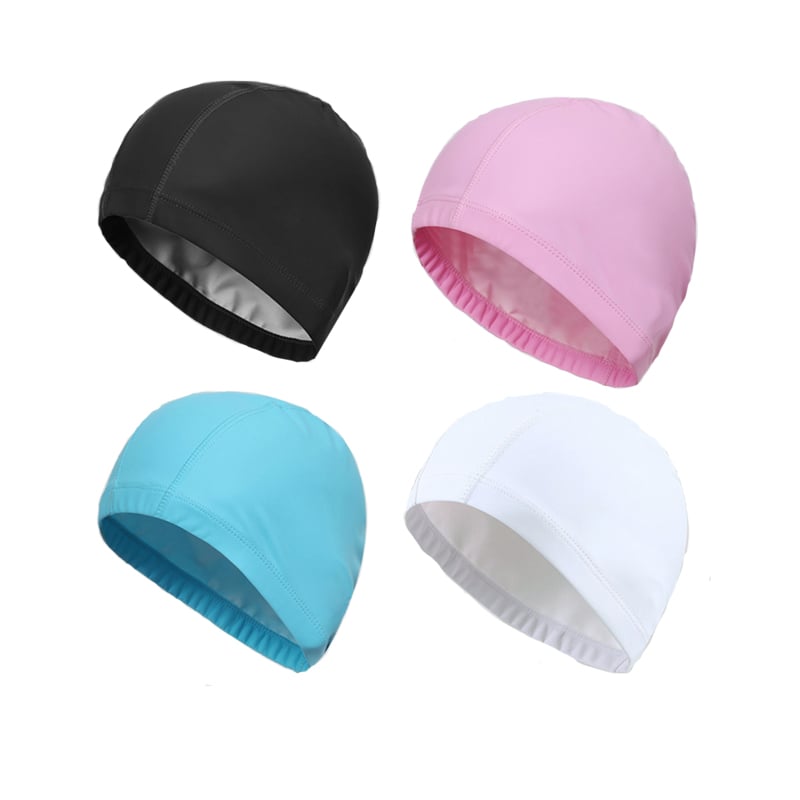
Understanding how a swimming cap functions requires examining the interaction between the swimmer's head and water flow. The human head, especially hair, creates irregular surfaces that generate drag and turbulent water patterns. A swimming cap smooths these irregularities and creates a more uniform hydrodynamic profile. When you wear a swimming cap, you're essentially streamlining your body to slip through water more easily. This fundamental principle of drag reduction has made the swimming cap an essential accessory in competitive aquatics and explains why serious swimmers never skip this basic but effective tool.
The effectiveness of a swimming cap lies in hydrodynamic streamlining. Water naturally flows around any object moving through it, but the pattern and intensity of this flow depend heavily on the object's surface texture and shape. Hair creates multiple points of resistance, causing water to separate and form eddies behind the swimmer's head. A properly fitted swimming cap compresses hair against the skull and presents a smooth, continuous surface to the water. This streamlined profile allows water to flow more smoothly around the head, reducing the turbulence that consumes energy. The swimming cap essentially transforms an irregularly shaped object into a more efficient hydrodynamic form, directly lowering drag and improving speed potential.
Different swimming cap materials offer varying degrees of drag reduction. Silicone swimming caps provide excellent smoothness and durability, creating one of the lowest-drag surfaces available. Latex swimming caps offer slightly higher friction but remain highly effective for resistance reduction. Fabric-based swimming caps provide comfort and slower water absorption but generate slightly more drag than synthetic alternatives. The choice of material determines how effectively a swimming cap can minimize water resistance. Athletes focused on competitive times often select silicone swimming caps because the material's inherent smoothness maximizes the drag-reduction benefit. However, any quality swimming cap substantially outperforms swimming without head coverage in terms of water resistance reduction.
Research and competitive swimming data consistently show that a swimming cap improves performance by reducing water resistance. Professional swimmers report time improvements ranging from 0.5 to 2 percent when wearing a swimming cap compared to racing without one. For elite swimmers competing in short courses or long courses, this percentage translates to meaningful seconds. The improvement comes directly from lower drag allowing swimmers to maintain speed with less energy expenditure. A swimming cap also reduces the energy needed to overcome drag forces, enabling swimmers to sustain higher velocities for longer distances. These performance gains explain why every competitive swimmer uses a swimming cap as standard equipment, regardless of age group or event distance.
Beyond pure speed, a swimming cap improves energy efficiency by reducing the work required to move through water. When water resistance decreases, muscles expend less effort to maintain a given pace. This efficiency gain becomes particularly valuable during longer training sessions or race efforts where fatigue accumulates. Swimmers wearing a swimming cap can maintain consistent speed with lower perceived exertion, allowing them to complete workouts more effectively. The reduced drag from a swimming cap also allows athletes to focus more mental energy on technique refinement rather than fighting against unnecessary resistance. Over training cycles and competitive seasons, the cumulative energy savings from using a swimming cap contribute to improved conditioning and better race outcomes.
While drag reduction represents the primary hydrodynamic benefit of a swimming cap, secondary advantages enhance overall pool experience. A swimming cap reduces heat loss from the head, which accounts for significant body heat dissipation in water. By maintaining core body temperature more effectively, a swimming cap helps swimmers feel more comfortable during cold water sessions and extended training periods. This thermal benefit becomes especially important during winter training or in naturally cold water environments. Additionally, a swimming cap keeps hair contained and protected from pool chemicals, reducing the damaging effects of chlorine exposure. These comfort and hair protection benefits make a swimming cap valuable even for recreational swimmers not primarily focused on competitive speed optimization.
Beyond measurable physics, wearing a swimming cap contributes to psychological readiness and competitive mindset. Athletes report increased focus and confidence when properly equipped with a swimming cap, potentially signaling to their brain that serious competition is beginning. This mental preparation aspect may seem intangible but contributes to overall performance when combined with the tangible drag reduction a swimming cap provides. The ritual of putting on a swimming cap becomes part of pre-race preparation that helps swimmers enter their optimal performance state. Psychological confidence and physiological drag reduction work together, making a swimming cap far more valuable than the physics alone would suggest.
Yes, a swimming cap makes a measurable difference in pool speed by reducing water resistance through hydrodynamic streamlining. Competitive swimmers typically experience time improvements of 0.5 to 2 percent when wearing a swimming cap compared to racing without one. The exact improvement depends on hair length, thickness, and the specific material of the swimming cap used. For elite athletes competing at high levels, this speed advantage translates to meaningful seconds that can determine race outcomes. Even recreational swimmers benefit from the reduced drag a swimming cap provides, making it a worthwhile addition to any pool routine.
Silicone swimming caps generally offer the best water resistance reduction due to their smooth surface finish and hydrodynamic properties. Latex swimming caps perform nearly as well while offering greater comfort and easier donning. The specific performance of any swimming cap depends on fit, material thickness, and how well it compresses hair against the skull. A properly fitted swimming cap, regardless of whether it's silicone or latex, will substantially reduce water resistance compared to swimming without head coverage. Testing different brands and materials helps swimmers find the swimming cap that combines optimal drag reduction with personal comfort preferences.
Recreational swimmers absolutely benefit from using a swimming cap for water resistance reduction, though the competitive advantage matters less than for competitive athletes. A swimming cap improves efficiency in the water, reduces fatigue, and allows recreational swimmers to swim farther with less effort. Beyond performance, a swimming cap protects hair from chlorine damage and provides thermal benefits during extended pool sessions. Even without competitive racing goals, recreational swimmers can enjoy faster swimming, better endurance, and improved overall pool experience by incorporating a swimming cap into their routine. The physics of drag reduction apply equally to all swimmers regardless of competitive level.
 Hot News
2024-03-08
2024-03-08
2024-03-08
2024-03-08
2024-03-08
 EN
EN
 AR
AR
 NL
NL
 FR
FR
 DE
DE
 IT
IT
 JA
JA
 KO
KO
 PT
PT
 RU
RU
 ES
ES