
Home > Contact Us > News
A towel manufacturer today faces a unique challenge: the ability to serve vastly different customer segments, each with distinct requirements, quality standards, and volume expectations. From hospitality chains and healthcare facilities to retail consumers and corporate clients, a towel manufacturer must navigate complex market dynamics while maintaining operational efficiency and product excellence. This versatility requires not only manufacturing capability but also strategic flexibility in design, material sourcing, production scheduling, and customer support. Understanding how a towel manufacturer bridges these diverse markets reveals the operational sophistication required in modern textile production.
The scope of a towel manufacturer's operations extends beyond simple production capacity. Successful manufacturers combine technical expertise in fiber science, weaving technology, and finishing processes with deep market knowledge about what each industry segment values most. A hospitality towel manufacturer, for instance, prioritizes durability, color retention, and rapid drying to meet hotel laundry cycles. Meanwhile, a towel manufacturer serving medical facilities must ensure antimicrobial properties and compliance with healthcare standards. This article explores the strategic approaches, customization capabilities, and operational frameworks that enable a towel manufacturer to serve multiple markets effectively.
A towel manufacturer must first recognize that each market segment has fundamentally different priorities and constraints. The hospitality sector demands high absorbency, color fastness, and longevity through hundreds of wash cycles. A towel manufacturer addressing this market focuses on tightly woven fabrics, premium cotton blends, and advanced dyeing techniques to ensure consistent performance. Healthcare facilities, by contrast, require a towel manufacturer to prioritize bacterial resistance, hypoallergenic materials, and compliance with infection control protocols. Athletic and fitness centers expect a towel manufacturer to deliver quick-drying, moisture-wicking properties that appeal to performance-conscious consumers. Luxury retail markets push a towel manufacturer toward premium aesthetics, exclusive designs, and limited-edition collections that command higher price points.
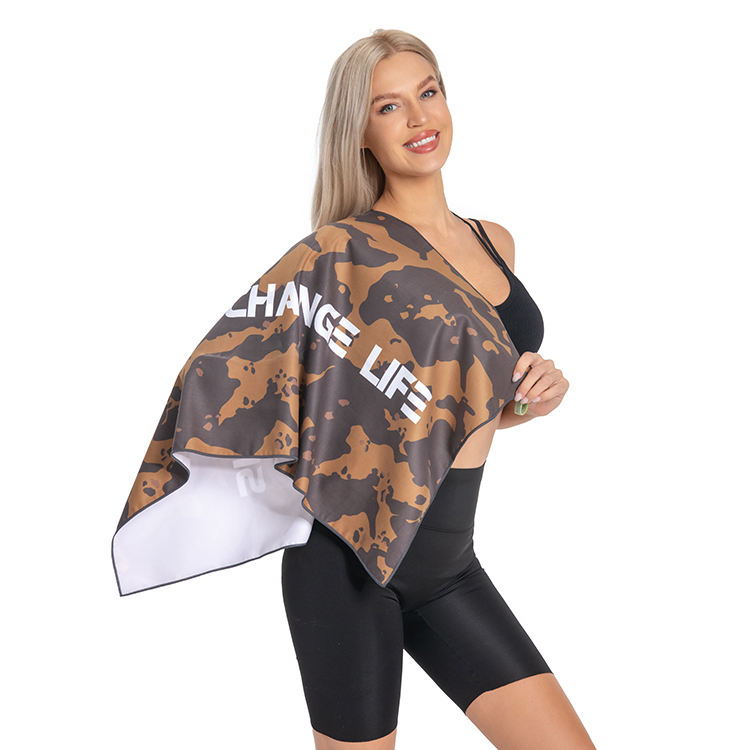
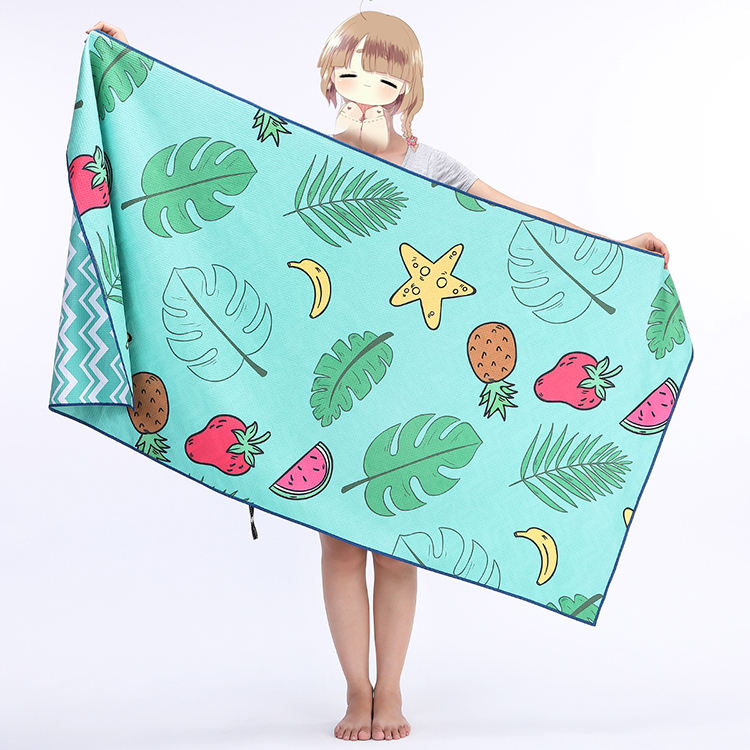
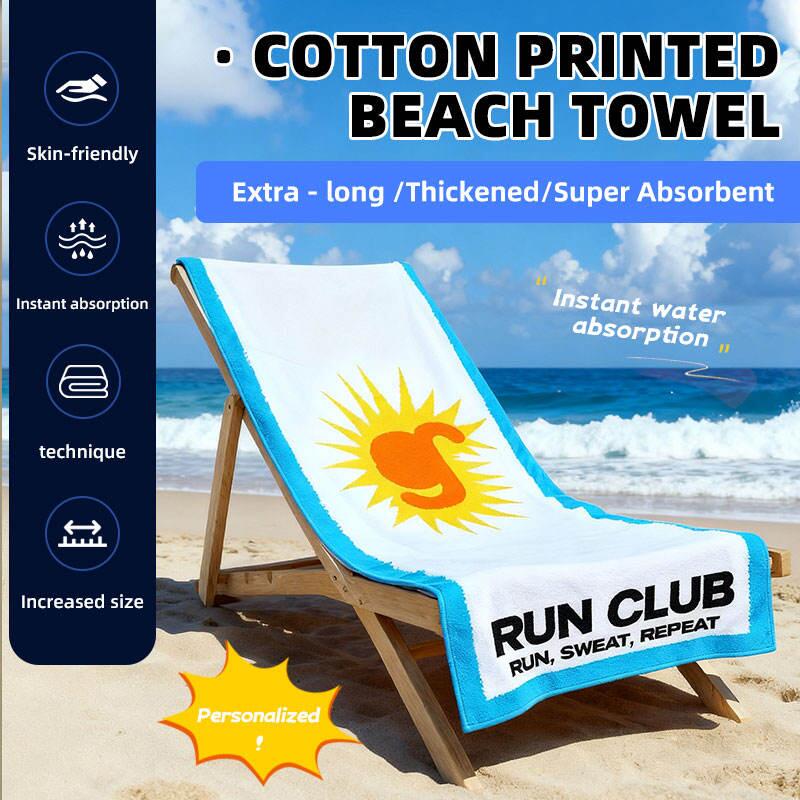
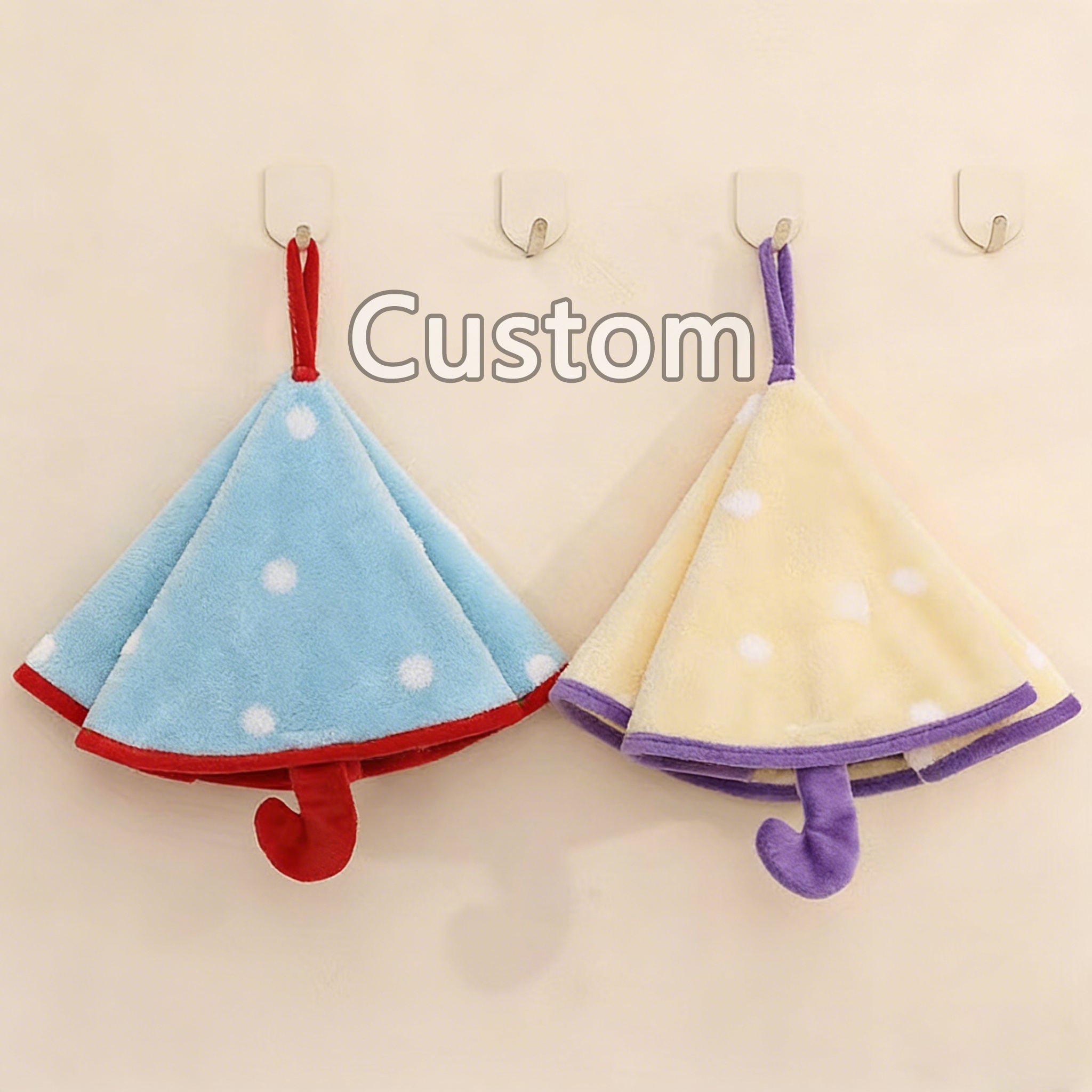
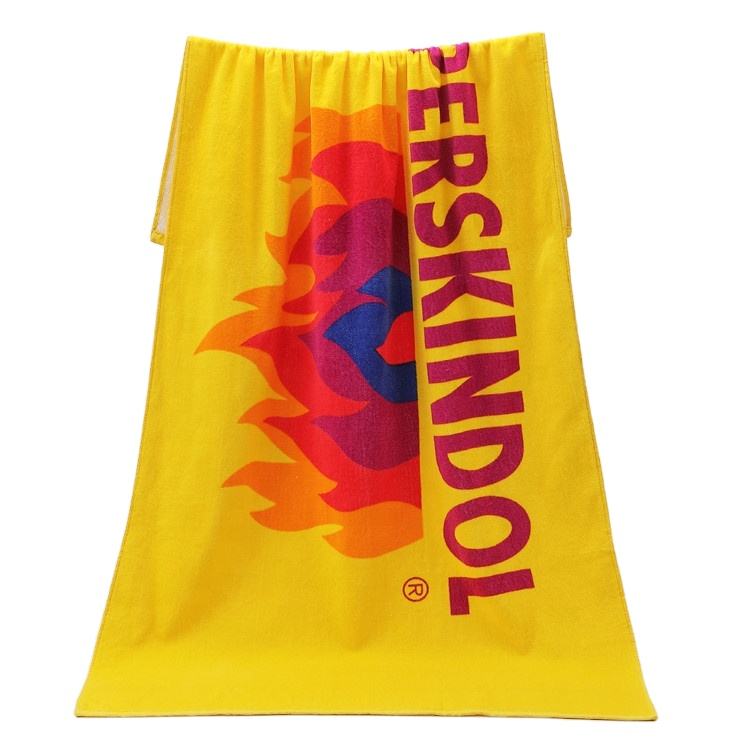
A successful towel manufacturer invests heavily in customization infrastructure. This includes digital design technology, reactive printing systems, embroidery capabilities, and flexible production scheduling that accommodate both bulk orders and smaller specialty runs. When a corporate client approaches a towel manufacturer seeking branded towels for employee wellness programs, the manufacturer must quickly transform design specifications into finished products. A towel manufacturer with reactive printing technology can deliver vibrant, durable graphics that withstand repeated washing, a critical requirement for corporate merchandise. Similarly, when a resort chain requests a towel manufacturer to produce items in custom colors coordinating with interior design schemes, the manufacturer draws upon color-matching expertise and inventory management to ensure consistency across multiple shipments over time.
Operating as a towel manufacturer across diverse markets requires sophisticated supply chain management and production planning. A single textile mill might simultaneously handle a 500,000-unit order for a major hotel chain while producing 10,000 custom-printed towels for a boutique fitness brand. The towel manufacturer must balance machinery utilization, raw material procurement, and workforce scheduling to prevent bottlenecks while maintaining quality standards. This operational complexity demands advanced production management systems, real-time inventory tracking, and flexible manufacturing protocols. A towel manufacturer investing in modular production lines can quickly transition between different specifications, reducing setup time and minimizing waste. Batch tracking and quality control checkpoints become critical tools for a towel manufacturer managing multiple customer specifications simultaneously.
Different markets require different material profiles, and a towel manufacturer must maintain relationships with suppliers offering diverse fiber options. Premium cotton, organic cotton, microfiber, bamboo blends, and recycled materials each serve specific market segments. A towel manufacturer serving eco-conscious retailers prioritizes organic and sustainable fiber sourcing, often seeking certifications that validate environmental claims. Conversely, a towel manufacturer supplying fitness centers may emphasize synthetic microfiber blends that deliver superior moisture management and quick-dry performance. A sophisticated towel manufacturer maintains inventory diversification, quality agreements with multiple suppliers, and contingency sourcing strategies to mitigate supply disruptions. Price volatility in cotton markets directly impacts a towel manufacturer's margins, making strategic purchasing and forward contracting essential skills in competitive markets.
A professional towel manufacturer must navigate regulatory frameworks that vary significantly by customer sector and geography. Healthcare-focused orders may require a towel manufacturer to comply with FDA regulations, antimicrobial standards, and infection control protocols. Luxury hotel chains might demand a towel manufacturer meet international textile standards for strength, colorfastness, and dimensional stability. Export-oriented operations require a towel manufacturer to understand tariff classifications, country-of-origin requirements, and trade compliance documentation. Building this regulatory knowledge represents a substantial operational investment, but it enables a towel manufacturer to confidently serve international and domestic markets. Third-party testing and certifications strengthen a towel manufacturer's credibility when pursuing high-value contracts in regulated industries.
A towel manufacturer's reputation depends on consistent product performance across production runs and over time. Advanced testing facilities measure absorbency rates, wash durability, colorfastness under various conditions, and dimensional stability—parameters that matter differently to each market segment. When a hospitality chain receives a towel manufacturer's products, they expect performance consistency that allows predictable laundry operations and customer satisfaction. A towel manufacturer invests in moisture management testing, tensile strength analysis, and pilling resistance evaluation to demonstrate compliance with stated specifications. Documentation and traceability become competitive advantages for a towel manufacturer seeking to win large institutional accounts that require auditable quality records and performance validation.
A competitive towel manufacturer combines advanced manufacturing technology, diverse raw material sourcing, customization capabilities, regulatory compliance expertise, and sophisticated quality control systems. Smaller producers often lack investment in digital design, reactive printing, or modular production lines that enable rapid customization. A towel manufacturer at scale can absorb the infrastructure costs of serving multiple markets simultaneously, offering volume flexibility, shorter lead times, and design collaboration that smaller operations cannot match. Institutional clients specifically seek a towel manufacturer with proven track records, certified quality systems, and financial stability.
A towel manufacturer manages this tension through segmented production strategies and material optimization. Budget-conscious markets receive products manufactured with efficiency-optimized processes and appropriate material specifications, while premium segments justify higher production costs through expanded design options and superior finishes. A towel manufacturer uses data analytics to identify production efficiencies that reduce per-unit costs without compromising quality outcomes. Strategic partnerships with suppliers help a towel manufacturer negotiate better material pricing at scale, creating cost advantages that can be reinvested in capability expansion or passed on to cost-sensitive customer segments.
Customization capabilities allow a towel manufacturer to enter niche markets and build customer loyalty through differentiated offerings. When a towel manufacturer invests in reactive printing, embroidery, and design technology, it transforms from a commodity supplier into a value-added partner. Brands seeking custom-designed towels for corporate merchandise, hotel differentiation, or retail marketing specifically choose a towel manufacturer with these capabilities. This strategic investment enables a towel manufacturer to serve emerging segments like corporate wellness, resort brands, and retail merchandising that demand personalization and design collaboration.
 Hot News
2024-03-08
2024-03-08
2024-03-08
2024-03-08
2024-03-08
 EN
EN
 AR
AR
 NL
NL
 FR
FR
 DE
DE
 IT
IT
 JA
JA
 KO
KO
 PT
PT
 RU
RU
 ES
ES