
Home > Contact Us > News
Natural fibers, including cotton and linen, are revered for their superior absorbency due to their hydrophilic nature. These fibers excel in absorbing moisture, which makes them ideal for tea towels that efficiently soak up spills in the kitchen. For instance, cotton can hold up to 27 times its weight in water, highlighting its remarkable ability to manage wet surfaces. In contrast, synthetic fibers like polyester are notorious for repelling water rather than absorbing it. This contrast in absorption dynamics is due to the inherent structure of synthetic fibers that do not support water retention. Studies that quantify these properties provide valuable insight, demonstrating that while natural fibers enhance absorbency for kitchen tasks, synthetic fibers offer other benefits like durability.
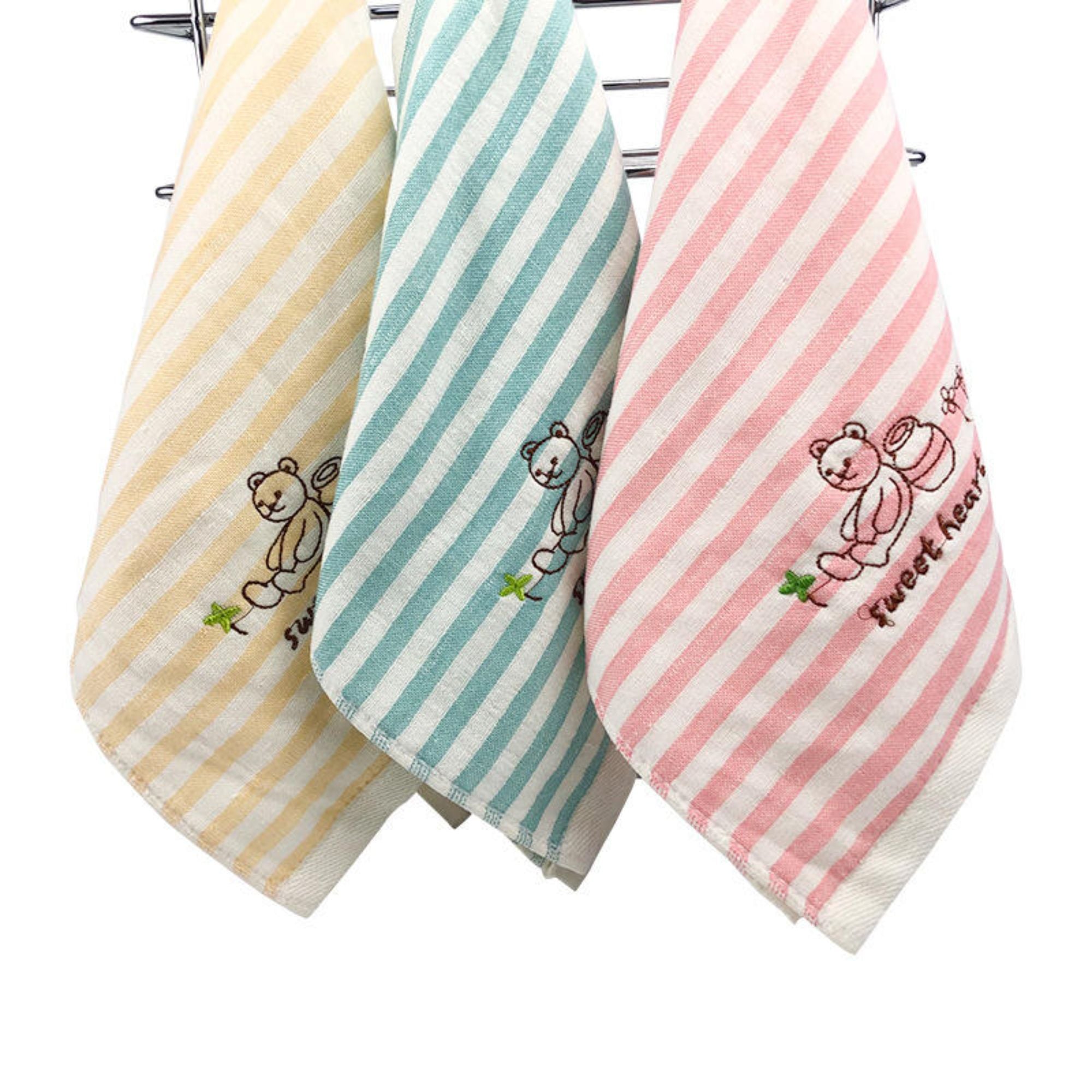
Weave patterns, such as terry, herringbone, and plain, play crucial roles in a tea towel's moisture retention and drying efficiency. Terry weave, with its looped nap, significantly enhances a towel's water storage capacity, making it especially useful for handling liquid spills. According to textile experts, certain weaves enhance a towel's surface area, improving drying capabilities compared to plain weaves. These patterns not only influence functionality but also the aesthetic appeal, making tea towels suited to various kitchen settings. For instance, herringbone weaves can add sophistication and texture that complements kitchen decor while maintaining practicality.
Tea towels and microfiber cloths offer distinct advantages in terms of absorbency and application. Traditional tea towels are favored for their durability and natural appeal, while microfiber cloths provide impressive absorption, holding up to seven times their weight in water. The high-density weave of microfiber enhances its ability to clean smooth surfaces without leaving marks, a trait highly praised in user reviews. Meanwhile, tea towels promise a longstanding tradition that makes them essential kitchen staples, despite their comparatively lower absorbency. Users often rely on microfiber for swift cleaning jobs, while the aesthetic and multifunctionality of tea towels are unrivaled, underscoring each type's unique benefits and usage scenarios.
## Versatile Applications Across SettingsAbsorbent tea towels are indispensable in the kitchen, fulfilling a range of essential tasks such as drying dishes, covering food, and handling hot pots. Their utility is highlighted by their ability to reduce moisture effectively, minimizing cross-contamination during food preparation. For instance, using tea towels to dry dishes can significantly decrease the risk of bacterial growth, as moisture is a breeding ground for bacteria. Additionally, expert tips suggest dedicating specific towels for different tasks to maintain optimal hygiene—one for drying, another for handling hot items, and yet another for covering food. By strategically using these towels, we can ensure a cleaner, more sanitary kitchen environment.
Tea towels play a vital role in the hospitality sector, contributing significantly to cleanliness and service efficiency. Case studies from restaurants and hotels illustrate how professional-grade tea towels excel in high-demand environments, showcasing their durability and quick moisture-absorbing properties. Hospitality experts often recommend specific types of towels for front-of-house versus back-of-house operations, emphasizing features like absorbency, durability, and ease of handling. For example, a high-absorbency tea towel is perfect for quick customer service, while a durable cloth can withstand frequent washing and high temperatures, making it ideal for kitchen use.
Tea towels are not confined to traditional kitchen duties; they inspire creativity with their versatile uses, including bread proofing, decorating, and crafting. Culinary experts often share testimonials on how tea towels are used in innovative ways, such as providing a warm, moist environment perfect for dough proofing. Anecdotal evidence also highlights their role in kitchen decor—stylish towels can serve as colorful accents, complementing various color schemes and enhancing aesthetics. By selecting towels that align with current trends in kitchen design, we can add a touch of personal flair to our cooking spaces.
## Material Guide for Reusable PerformanceChoosing cotton and linen towels is an eco-friendly decision crucial to reducing environmental impact. These materials not only boast sustainable production benefits but are also highly absorbent, making them excellent choices for tea towels. Cotton, especially organic types, has minimal water and energy use compared to synthetic alternatives, making its environmental footprint much smaller. Linen, too, is known for its renewable qualities and has low energy requirements in its lifecycle. Studies indicate these fabrics excel in absorbency, effectively capturing moisture and reducing the risk of cross-contamination. Additionally, they decompose biologically more efficiently, with composting studies showing significant degradation compared to synthetic counterparts.
Blended fabrics offer a unique advantage, combining the durability of synthetic fibers with the absorbency of natural materials, ideal for tea towels enduring regular use. These blends exhibit longevity across countless washing cycles while maintaining their structural integrity and functionality. Textile studies highlight that blended fabric towels last longer, showcasing advanced durability yet sacrificing none of the essential absorbency. Consulting expert opinions, optimal blend ratios—such as cotton/polyester—can enhance performance, offering both robust durability and efficient moisture control to serve kitchen needs. This thoughtful balance allows tea towels to withstand the rigors of regular cleaning without deteriorating.
In selecting tea towels, sustainability is paramount, factoring in production methods and lifecycle analysis. The textile industry’s push for eco-conscious practices is reflected in guidelines that encourage choosing sustainably produced towels. Certification such as Global Organic Textile Standard (GOTS) provides consumers assurance of green practices. As sustainability becomes mainstream, data shows a surge in demand for eco-friendly textiles, with consumers increasingly opting for products echoing environmental stewardship. This shift is pivotal in reducing ecological footprints, urging choices that lean toward recycled materials and sustainable processes, thus ensuring that even simple kitchen towels contribute positively to our planet.
## Maintenance for Long-Term ValueTo maintain the absorbency and quality of tea towels, proper washing techniques are essential. Using the right detergent and wash temperature can prevent odor buildup and preserve the fabric's integrity. Experts recommend washing tea towels at a temperature between 40°C to 60°C with mild detergent to ensure cleanliness without damaging the fibers. Common mistakes like using too much detergent or fabric softener can lead to residues that reduce absorbency. Avoiding such practices can significantly improve the towel's effectiveness and longevity.
The way we dry our tea towels can either preserve their quality or lead to lint and fabric damage. Choosing the right drying method is crucial. Air drying is gentle and helps maintain fabric strength, while machine drying at low settings prevents shrinkage or weakening of fibers. Experts suggest cleaning the lint filter of the dryer regularly to prevent lint buildup. Improper drying not only reduces the towel's lifespan but can also compromise its performance, as supported by textile care studies.
Proper storage solutions are vital for ensuring the hygiene of tea towels. To prevent mildew or bacterial growth, it's important to store them in cool, dry environments and rotate them regularly. Laundering them frequently maintains kitchen cleanliness by eliminating bacteria and odors. Storing towels in a well-ventilated area also aids in preserving their quality. By following these storage recommendations, one can significantly enhance the durability and hygiene of tea towels, thereby supporting kitchen health and safety.
 Hot News
2024-03-08
2024-03-08
2024-03-08
2024-03-08
2024-03-08
 EN
EN
 AR
AR
 NL
NL
 FR
FR
 DE
DE
 IT
IT
 JA
JA
 KO
KO
 PT
PT
 RU
RU
 ES
ES