
Home > Contact Us > News
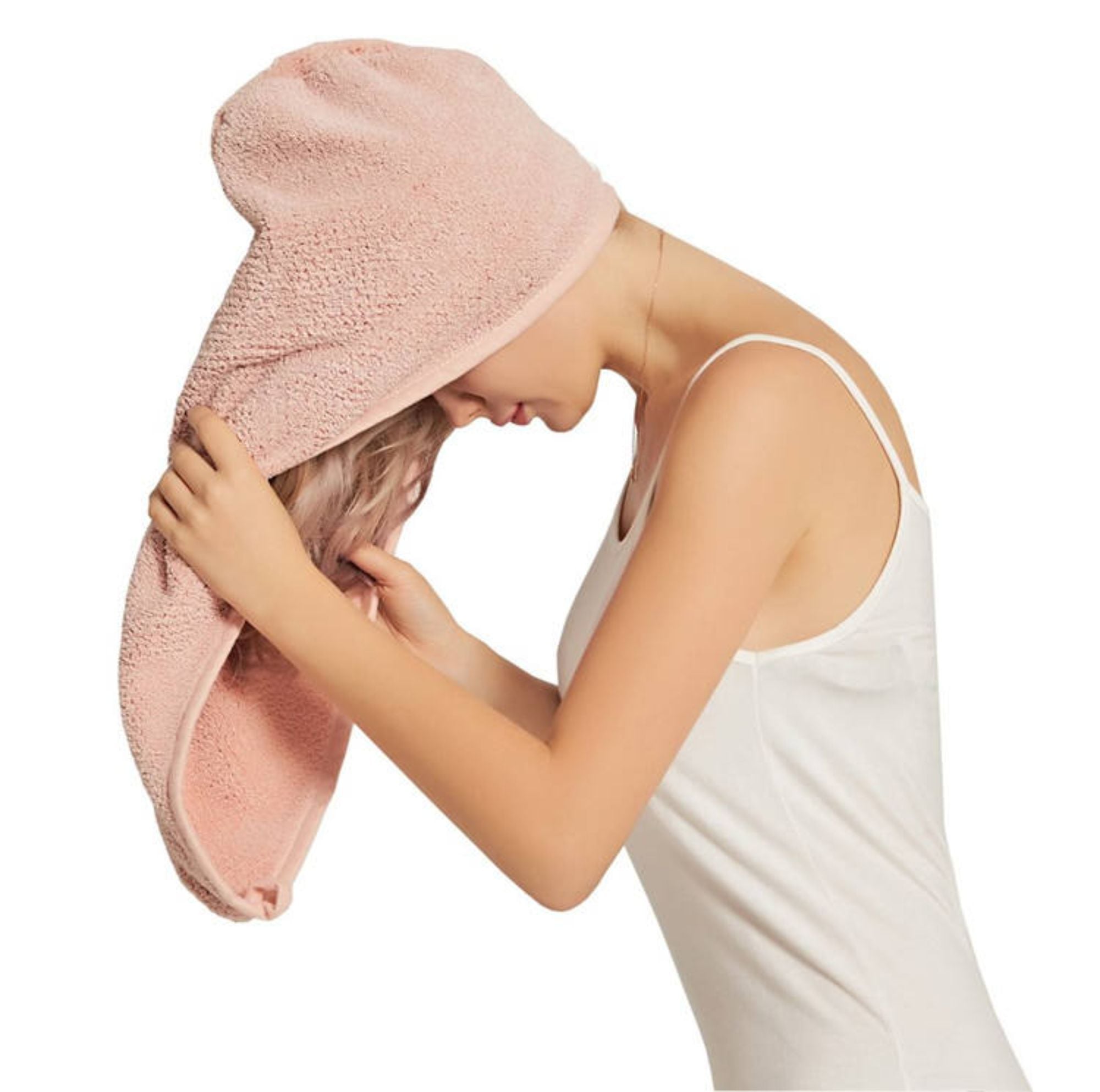
Organic cotton stands out as a prime choice for eco-friendly beach towels. It is cultivated without the use of synthetic pesticides and fertilizers, making it not only gentle on the environment but also safe for our skin. Organic cotton is known for its hypoallergenic properties, meaning it is less likely to cause allergic reactions, which is particularly beneficial for sensitive skin. According to the Textile Exchange, organic cotton production uses 91% less water compared to conventional cotton farming. This substantial reduction in water usage and its soft touch on the skin underscore the sustainability and comfort of organic cotton as a superior fabric for beach towels.
Bamboo fibers provide an excellent sustainable option for beach towels due to their rapid growth and minimal environmental footprint. Bamboo can reach growth rates of up to 91 cm a day, making it a highly renewable resource. Its natural antimicrobial properties are ideal for beach towels that are constantly exposed to moisture, inhibiting the growth of bacteria and odor. Studies have shown that bamboo cultivation entails a much smaller carbon footprint compared to traditional cotton agriculture, presenting bamboo as a more sustainable choice. The environmental advantages of bamboo coupled with its antibacterial qualities make it a strong candidate for eco-friendly textiles.
Recycled polyester redefines sustainable materials by transforming post-consumer plastic bottles into functional textiles. The process begins with the collection of plastic bottles, which are then cleaned and processed into fibers, significantly contributing to waste reduction. Recycled polyester is renowned for its durability and is particularly advantageous in beach environments with its quick-drying and mildew-resistant properties. According to the Ellen MacArthur Foundation, the production of recycled polyester can require up to 75% less energy than the creation of virgin polyester, showcasing its efficiency and ecological benefits. Such evidence positions recycled polyester as a pioneering material in the journey towards environmentally conscious beach accessories.
Sustainable beach towel production plays a key role in reducing energy consumption. Manufacturers adopt energy-efficient techniques such as using solar-powered systems, optimizing production lines, and employing advanced machinery that minimizes energy usage. Research indicates that choosing sustainable materials over conventional ones can significantly lower energy demands—for instance, recycled fibers require up to 75% less energy to produce than virgin materials. Furthermore, the use of renewable energy sources in manufacturing further diminishes the environmental impact, leading to cleaner energy practices and less carbon emissions overall.
Water conservation is a critical component of eco-friendly textile manufacturing. Traditional textile processing is notorious for its high water consumption, but sustainable practices have revolutionized this aspect. Techniques like closed-loop water systems recycle and reuse water, drastically reducing this resource's waste. Reports suggest that adopting eco-friendly processing can lower water usage by as much as 90%, significantly curbing the industry’s demand for freshwater. These sustainable approaches not only safeguard natural water bodies from pollution but also contribute to the overall reduction of strain on local water resources.
Implementing circular economy practices in textile production is essential for waste reduction. This approach emphasizes the recycling and repurposing of materials to ensure sustainability and minimize landfill waste. For instance, old towels can be transformed into new fabrics or repurposed for other uses such as cleaning rags or pet bedding, extending their lifecycle and reducing disposal. Brands implementing these practices have significantly reduced their environmental impact, with some reporting reduced waste by over 30%. By adopting circular economy principles, manufacturers not only support the environment but also foster a culture of responsibility and sustainability.
When comparing the durability of organic towels to standard cotton towels, organic materials often outperform their conventional counterparts. Organic fibers, such as cotton, are known for their inherent strength and resilience, which contribute to the longevity of the products made from them. Research indicates that towels made from organic materials tend to withstand daily use and washing more effectively. This durability can make organic options a cost-effective choice in the long run, as they require less frequent replacement and maintain their quality over time.
Proper maintenance is essential for extending the lifespan of sustainable beach towels. One key tip is to follow the care labels, which provide guidance on washing and drying methods to preserve the integrity of eco-friendly fabrics. Using eco-friendly detergents can also enhance towel longevity by minimizing chemical exposure that can degrade fibers. These detergents are gentle on the fabric while efficiently removing dirt and grime. Regularly following these maintenance practices ensures that towels remain absorbent and vibrant over time.
Sustainable towels vary in absorbency and sand resistance based on the materials used. Organic cotton towels are highly absorbent, possessing natural fibers that efficiently wick moisture away from the skin. On the other hand, recycled polyester towels offer excellent sand resistance due to their tighter weave and smoother texture, which prevent sand particles from sticking. User reviews often highlight the superior performance of these sustainable towels in beach settings, thanks to their quick-drying and sand-repellent characteristics, making them preferred choices for outdoor enthusiasts.
Algae-based fabrics represent a pioneering development in sustainable textiles, harnessing the power of marine resources for eco-friendly production. These fabrics are produced by extracting fibers from algae, which significantly reduces reliance on conventional cotton and synthetic fibers. The production process is not only clean and environmentally friendly but also results in textiles that are biodegradable, ensuring minimal environmental impact. Notable innovative brands like Algiknit are implementing this technology to create market-disrupting products that showcase the benefits and feasibility of algae-based textiles.
With the growing awareness of sun safety, there's been a significant advancement in UV-protective fabrics designed for outdoor use. These fabrics undergo special treatments to integrate UV-blocking technology, effectively offering sun protection akin to sunscreen. Products are often certified with standards like UPF (Ultraviolet Protection Factor), ensuring consumers are informed of their protection level. Data indicates that consumer demand for UV-protective features in textiles is steadily increasing, driven by health-conscious decisions and the desire for effective sun exposure management.
Innovative smart textiles are paving the way for environmentally friendly beach accessories by integrating renewable energy features such as solar power. These textiles can harness solar energy, offering practical applications like device charging while lounging on the beach. Leading brands and researchers are at the forefront of developing these technologies, which highlight a blend of sustainability with advanced functionality. Products leveraging renewable energy not only underscore technological advancement but also mark a shift towards eco-conscious leisure experiences, embodying a fusion of comfort and environmental consideration.
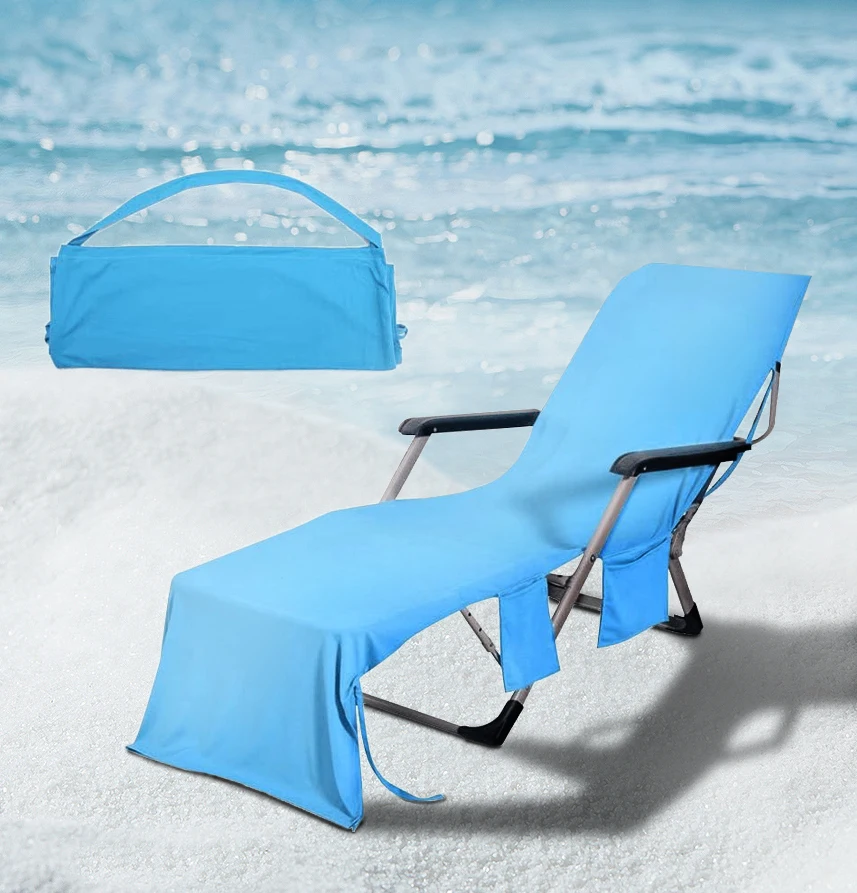
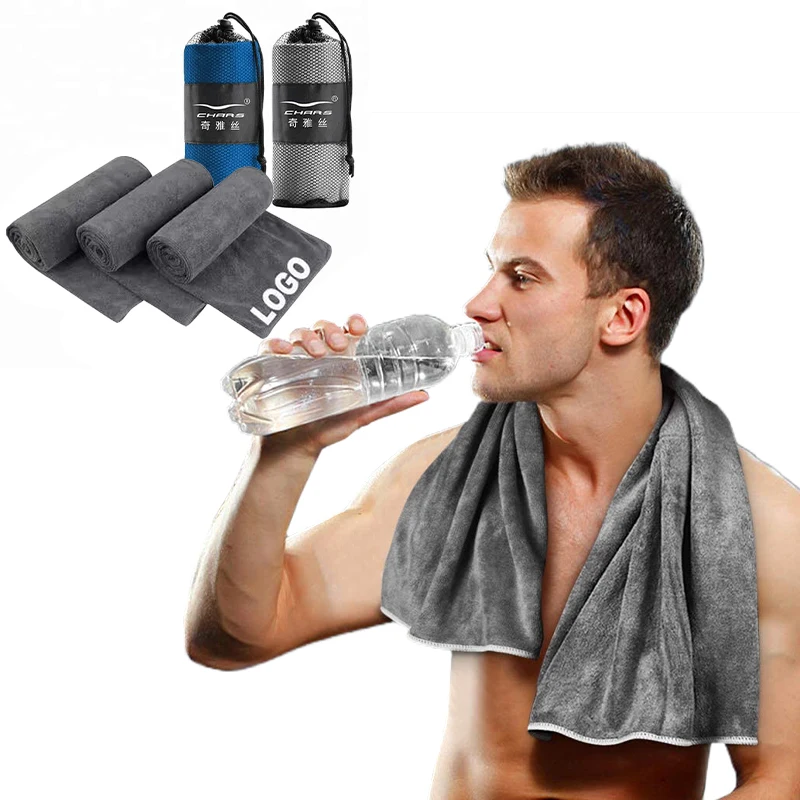
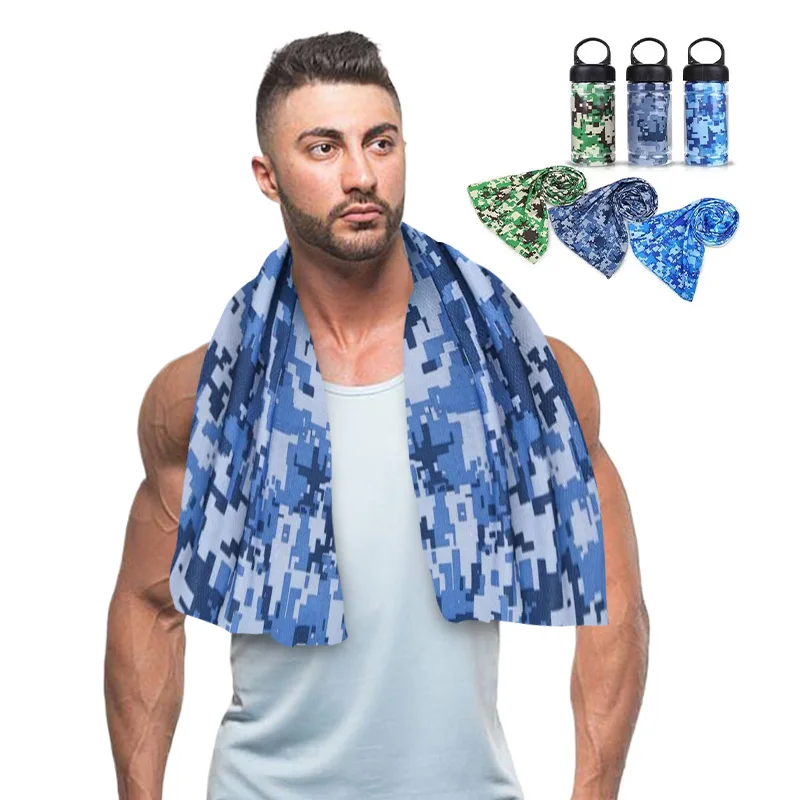
When choosing the right beach towel, it's essential to balance sustainability with functional needs. Buyers should consider whether the towel's material source aligns with their environmental values while also assessing its durability, absorbency, and softness for practical use. Sustainable materials such as organic cotton or microfiber towels can offer excellent performance while minimizing environmental impacts. Performance factors like quick-dry capabilities, compactness for travel ease, and durability can significantly influence purchasing decisions, especially for those who frequent beaches or travel often.
Here's a practical checklist to guide consumers:
With these considerations, buyers can make informed decisions that respect both their personal needs and environmental consciousness.
Certifications like GOTS (Global Organic Textile Standard) and OEKO-TEX play a vital role in ensuring the quality and sustainability of beach towels. GOTS certification assures that textiles are produced organically, from raw material harvesting to environmentally and socially responsible manufacturing. OEKO-TEX guarantees that the product has been tested for harmful substances and is safe for human use.
These certifications represent a commitment to reduced environmental impact and improved consumer safety. Brands like Ecobay, which utilize recycled materials, prominently display such certifications to emphasize their dedication to sustainable practices. By choosing towels with these certifications, consumers contribute to larger environmental and ethical efforts in the textile industry.
Supporting ethical brands in the textile space involves identifying companies that conduct sustainable production processes and maintain transparent supply chains. Key criteria include fair working conditions, environmentally responsible sourcing, and certifications that validate ethical practices. Transparency is crucial as it allows consumers to verify how products are made and under what conditions.
Brands such as Ecobay offer beach towels made from recycled materials, demonstrating commitment to sustainability and ethical manufacturing. By supporting these companies, consumers not only align their purchasing behavior with their ecological and ethical values but also encourage broader industry shifts towards responsible production practices.
 Hot News
2024-03-08
2024-03-08
2024-03-08
2024-03-08
2024-03-08
 EN
EN
 AR
AR
 NL
NL
 FR
FR
 DE
DE
 IT
IT
 JA
JA
 KO
KO
 PT
PT
 RU
RU
 ES
ES