
Home > Contact Us > News
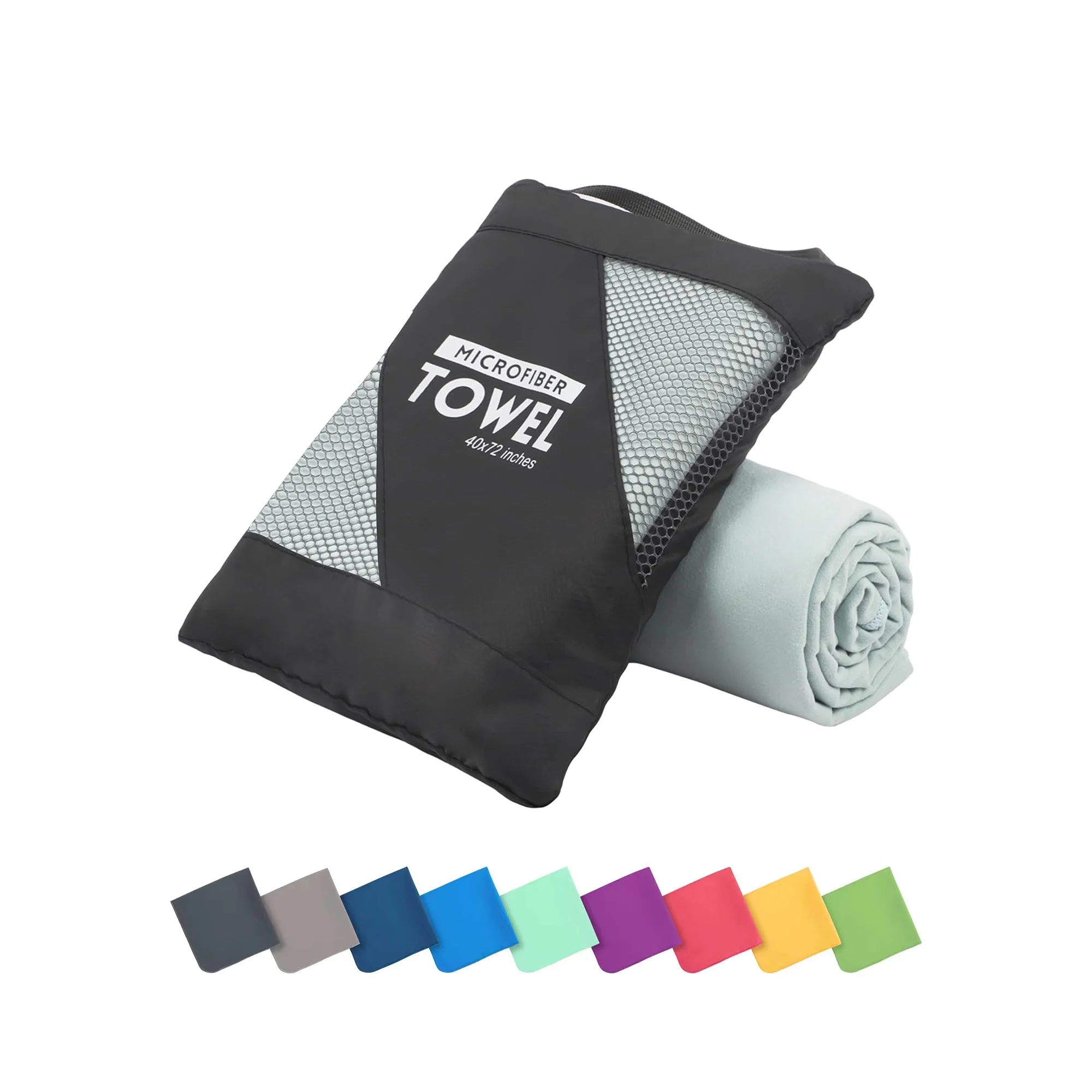
Microfiber towels are distinguished by their unique fiber structure that enhances absorption capabilities. Composed of tiny synthetic fibers, typically polyester and polyamide, these towels have fibers split to create a larger surface area for absorption. This design enables microfiber towels to absorb water and other liquids up to eight times their weight, making them highly efficient for various cleaning tasks. Scientific studies confirm that microfiber can capture dirt, dust, and allergens more effectively than traditional cotton fabrics, offering superior cleanliness.
A major advantage of microfiber towels is their lightweight design, which makes them easy to carry in gym bags or backpacks. Despite their compact size, these towels do not compromise on functionality, making them a favorite among travelers, fitness enthusiasts, and outdoor adventurers. Reports suggest that users prefer lightweight towels for convenience and space-saving, especially in sporting or travel settings. Their portability is matched by versatility, serving multiple purposes without adding unnecessary bulk.
Microfiber towels are known for their exceptional durability, making them a long-lasting choice for repeated use. High-quality microfiber towels can withstand hundreds of machine washes without losing their effectiveness or structural integrity. Studies indicate that when properly cared for, microfiber towels can last up to five times longer than standard cotton towels. Manufacturers highlight that durable microfiber reduces the frequency of replacement, thereby offering cost savings over time, alongside familiarity with sustainable practices.
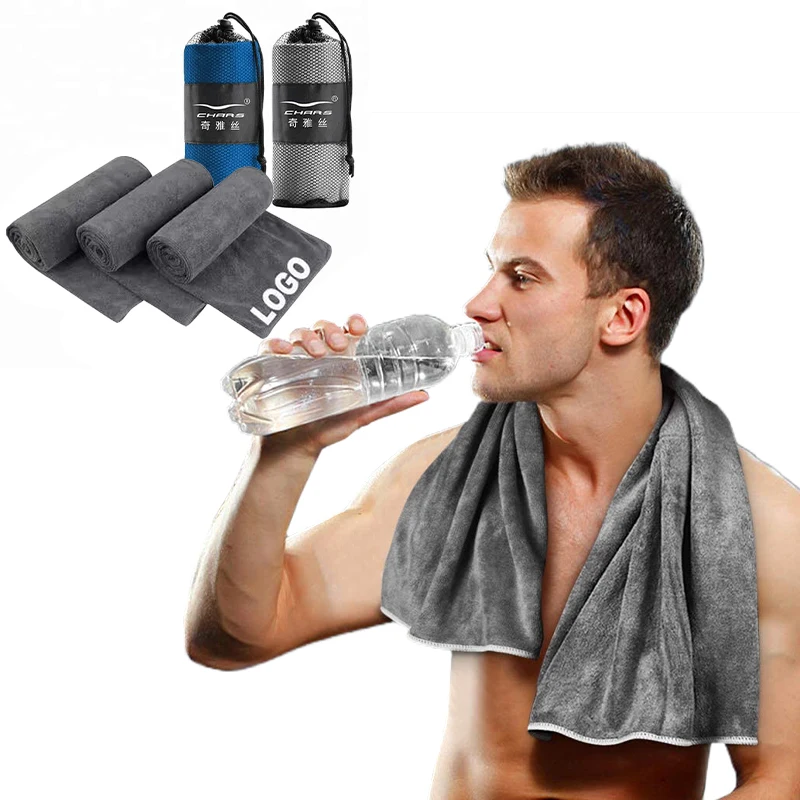
Microfiber gym towels are invaluable for fitness enthusiasts due to their superior sweat absorption capabilities. These towels quickly absorb moisture, keeping users comfortable and reducing the risk of gym equipment becoming slippery. Fast-drying properties ensure that the towel remains fresh between workouts, minimizing the growth of bacteria often associated with damp towels. Fitness experts often advocate for microfiber gym towels because of their effectiveness in limiting bacterial growth, a crucial consideration in maintaining hygiene within athletic environments.
Microfiber sports towels stand out with their quick-drying performance, ideal for athletic environments. Designed specifically for athletes, these towels facilitate rapid evaporation of sweat, helping athletes stay cool and dry. Their lightweight and compact design ensures easy portability, making them a reliable companion for various outdoor activities. Many athletes appreciate the ability of these towels to dry swiftly during both warm-up sessions and competitive events, reflecting their preference for enhanced performance and convenience.
Microfiber poncho towels offer versatility for outdoor enthusiasts, serving as both a towel and a cover-up during adventures like beach trips or camping. They efficiently dry off sand or water, preventing prolonged moisture retention. Enthusiasts often value multifunctional poncho towels for their combination of comfort and practicality, accommodating diverse outdoor situations. The adaptability of microfiber poncho towels ensures they remain a favored choice for those seeking reliable gear in various outdoor activities.
Microfiber towels excel in household cleaning, providing non-abrasive scrubbing that’s safe for delicate surfaces like glass, electronics, and shiny finishes. Their unique texture effectively traps dust and dirt without causing scratches, ensuring pristine cleaning results. Experts recommend using microfiber towels for various cleaning tasks such as dusting, polishing, and mopping, underscoring their versatility. This makes them an essential tool in achieving effective and safe cleaning solutions across different household applications.
Microfiber towels have an edge in absorbency due to their unique fiber structure and large surface area. Unlike cotton towels, which rely on the natural porosity of the fibers, microfiber towels are engineered to maximize moisture retention. Studies have demonstrated that microfiber can hold up to seven times more liquid than an equally weighted cotton towel. This superior absorbency makes microfiber towels highly preferred across a variety of applications, from personal hygiene to industrial cleaning. For anyone in need of a towel capable of quick and efficient moisture control, microfiber offers compelling advantages over traditional cotton.
Microfiber towels excel in quick-drying capabilities, which represents a significant advantage over their cotton counterparts. Cotton towels often preserve moisture, leading to slower drying times—a factor that can result in unwanted odors or prolonged dampness. In contrast, microfiber towels are designed to facilitate fast evaporation rates, drying up to 50% faster than traditional cotton towels. This feature enhances usability, particularly in environments demanding rapid reuse, be it in sports, travel, or humid climates. The resulting efficiency not only aids in maintaining hygiene but also ensures enduring freshness.
While microfiber towels might appear as a more expensive initial investment compared to cotton towels, they offer exceptional long-term cost efficiency. Their durability allows them to withstand more wear and tear, minimizing the frequency of replacement. Furthermore, microfiber towels require less water and detergent during cleaning, which translates into savings on laundry costs. Economic analyses have indicated the use of microfiber towels can lead to substantial cost reductions in cleaning supplies over time. Despite a higher upfront price, the lasting performance and reduced maintenance requirements underline their value among cost-conscious consumers.
Microfiber towels are renowned for their environmental efficiency, particularly in minimizing water and chemical use during cleaning tasks. Unlike traditional methods that often require copious amounts of water, microfiber's design allows for effective cleaning with significantly less moisture. A study found that using microfiber reduces the necessity for chemical detergents, which is not only cost-efficient but also crucial in limiting sewer runoff and minimizing chemical exposure to both users and the ecosystem. As many industries turn towards sustainable practices, they report not only reduced operational costs but also a tangible decrease in their environmental footprint.
Despite their benefits, microfiber towels do pose environmental challenges, notably the release of microplastics during washing. These tiny particles can travel through wastewater systems and find their way into natural water bodies, raising environmental concerns. Fortunately, technological developments have introduced solutions such as washing machine filters that effectively capture these microplastics, greatly reducing the contamination risk. Experts emphasize responsible use and increased public awareness regarding microfiber waste to ensure sustainable practices are followed, reminding consumers that while advantageous, microfiber use requires careful management.
Microfiber towels pose an interesting environmental conundrum as they are not fully biodegradable. However, their longevity plays a significant role in reducing overall waste generation. Since these towels can last for years, they mitigate the frequency of replacements in households, effectively lowering consumer waste. Recent findings encourage finding a balance between using durable materials like microfiber while simultaneously exploring methods for recycling such products. By promoting extended use and responsible disposal practices, users can participate in reducing towel waste and contribute to environmental sustainability.
Proper maintenance of microfiber towels is crucial to their longevity and performance. To avoid lint transfer and preserve their unique absorbing qualities, it is advisable to wash microfiber towels separately from cotton fabrics. Utilizing cold water with mild detergents helps prevent damage to the fibers, as high temperatures can degrade their absorbent properties. Furthermore, I follow expert advice to air-dry microfiber towels instead of using a dryer, which helps maintain their effectiveness and appearance over time.
Fabric softeners can significantly impede the absorbency of microfiber towels, compromising their cleaning efficacy. Industry professionals consistently advise against using softeners, as they coat the fibers and reduce their efficiency in cleaning tasks. By keeping microfiber towels free from softeners, I ensure the integrity of their structure is preserved, ultimately extending the lifespan and maintaining their cleaning power.
Proper storage practices for microfiber towels are essential to avoid mildew and degradation. I recommend keeping them in dry and cool environments to extend their lifespan. Organizing towels by folding and separating them maintains their shape and usability over time. Labeling towels for specific uses increases efficiency, making it easier to access and utilize them during cleaning tasks. Implementing these practices supports the long-term care and functionality of microfiber towels.
 Hot News
2024-03-08
2024-03-08
2024-03-08
2024-03-08
2024-03-08
 EN
EN
 AR
AR
 NL
NL
 FR
FR
 DE
DE
 IT
IT
 JA
JA
 KO
KO
 PT
PT
 RU
RU
 ES
ES