Home > Contact Us > News
The Jacquard loom, invented by Joseph Marie Jacquard in 1804, revolutionized the textile industry by transforming weaving with automated design capabilities. This invention played a pivotal role during the Industrial Revolution, enabling the mass production of complex patterns and designs, which was previously impossible. The loom utilized punched cards that dictated weaving patterns, paving the way for automation in textile production. This breakthrough technology not only enhanced efficiency but also laid the foundation for future innovations, seamlessly bridging historical craftsmanship with contemporary computer-based weaving techniques.
Modern artisans incorporate Jacquard technology into towel production, utilizing unique approaches that highlight craftsmanship and innovation. Today’s techniques blend hand-weaving practices, locally sourced materials, and traditional methods with the advanced capabilities of Jacquard looms to create distinctive designs. This synergy results in aesthetically appealing towels that feature intricate patterns and a rich texture. The consumer market has increasingly favored artisan goods, driven by a growing preference for authenticity and quality in home textiles. Statistics show a significant uptrend, with a notable consumer shift towards artisan-made products, indicating a deeper appreciation for craftsmanship in the industry.
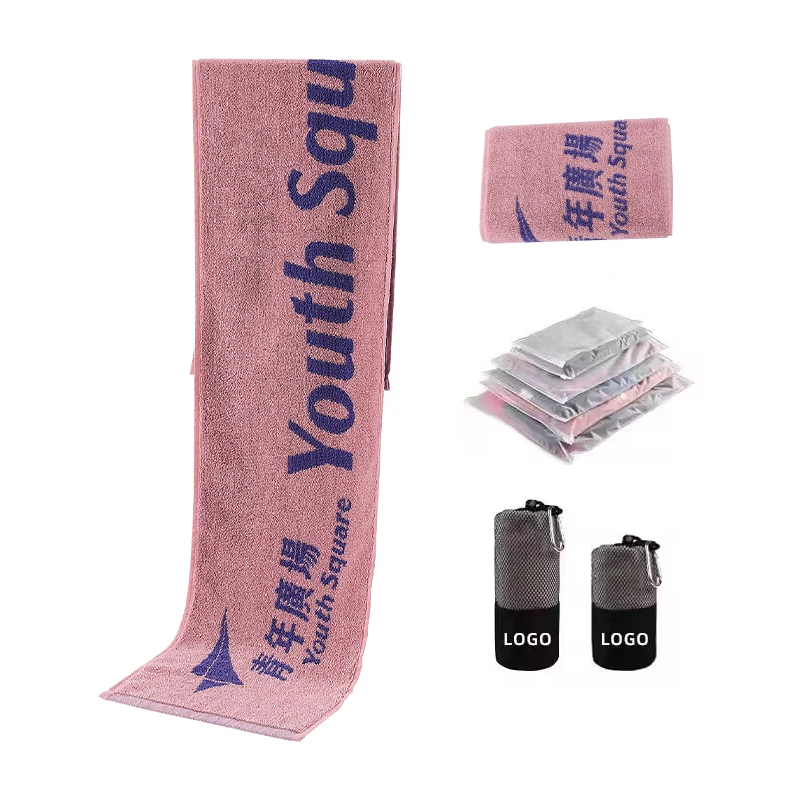
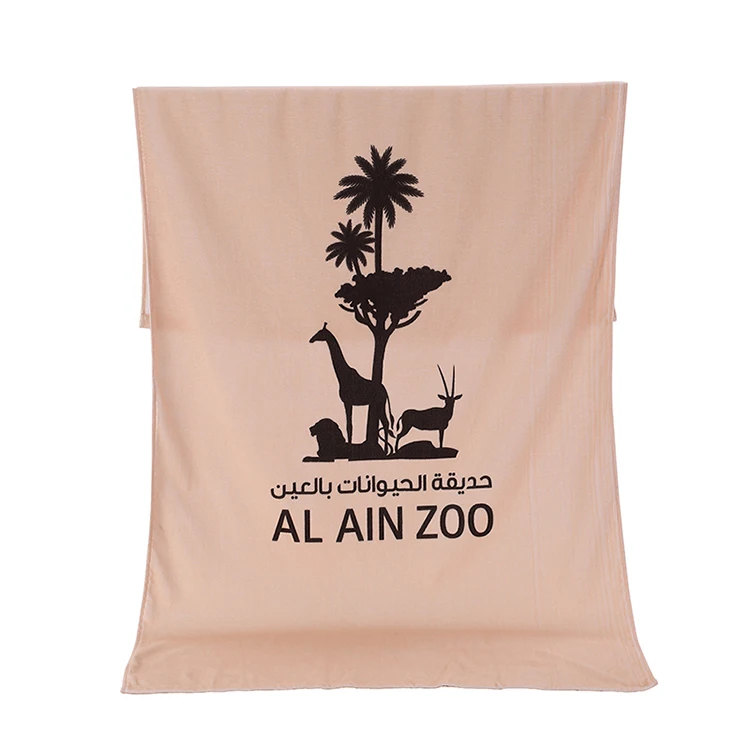
Custom border weaving offers a unique method to incorporate logos and branding into Jacquard towels, making them a sought-after choice for businesses in industries such as hospitality. This technique involves embedding logos and brand messages directly into the towels through intricate weaving patterns, enhancing brand visibility and creating a lasting impression. For instance, hotels and spas utilize custom border weaving to showcase their logos elegantly, ensuring that the brand is consistently represented across their facilities. Businesses have acclaimed this approach for its cost-effectiveness compared to embroidery, as quoted by clients who have observed a boost in brand recognition at events such as trade shows and corporate gatherings.
The visual appeal and tactile qualities of embossed patterns in Jacquard towels provide a luxurious feel favored by premium brands. High-low pile techniques allow designs to stand out with a velour-like finish, while maintaining the towel’s absorbency. Furthermore, advanced Jacquard weaving techniques facilitate multi-color patterns, allowing for vibrant and eye-catching designs that appeal to different aesthetic preferences. Designers note a growing trend towards bold and personalized towel aesthetics, where playful color combinations and intricate designs are in high demand. The ability to blend multiple colors seamlessly onto a single towel enhances its decorative appeal, making it ideal for both personal and promotional use.
Combining techniques such as tufting, pile weaving, and Jacquard weaving creates unique towel textures that cater to diverse consumer preferences. These methods result in towels that are not only visually appealing but also provide varying degrees of softness and absorbency. For instance, towels with tufted designs offer a plush and luxurious feel, while those with pile weaving can exhibit intricate textural patterns. Brands like Kingly have successfully combined these techniques to produce towels that stand out in the market, drawing attention for their innovation and quality. Experts in textile design commend such combinations for offering a tactile diversity that appeals to consumers seeking both functionality and aesthetics in home textiles.
When comparing the durability of Jacquard towels to traditional terry cloth towels, one immediately notices the difference in construction techniques. Jacquard towels are crafted with intricate weaving techniques that provide not only aesthetic patterns but also enhanced longevity. According to experts, the tight weaving in Jacquard towels contributes significantly to their lifespan, especially under repeated use and laundering. In contrast, traditional terry cloth, which relies on looped yarns for softness and absorbency, might wear out faster with frequent washing. To maintain the quality of Jacquard towels, specific care guidelines such as gentle washing and avoiding harsh detergents are essential. These practices ensure that the towels maintain their luster and functionality over a prolonged period, surpassing the lifespan of many staple terry cloth options.
Analysing absorbency levels, Jacquard towels offer remarkable water absorption due to their cotton composition, making them ideal for everyday use. However, in settings requiring high absorbency, microfiber towels often have the edge. Microfiber materials are engineered from synthetic fibers to absorb several times their weight in water, as demonstrated in studies comparing water absorption rates. This makes microfiber towels particularly beneficial in environments such as spas or outdoor activities, where quick-drying and lightweight characteristics are prized. Conversely, Jacquard towels are favored for their plush feel and decorative appeal, lending themselves well to luxury settings where tactile and aesthetic qualities are paramount.
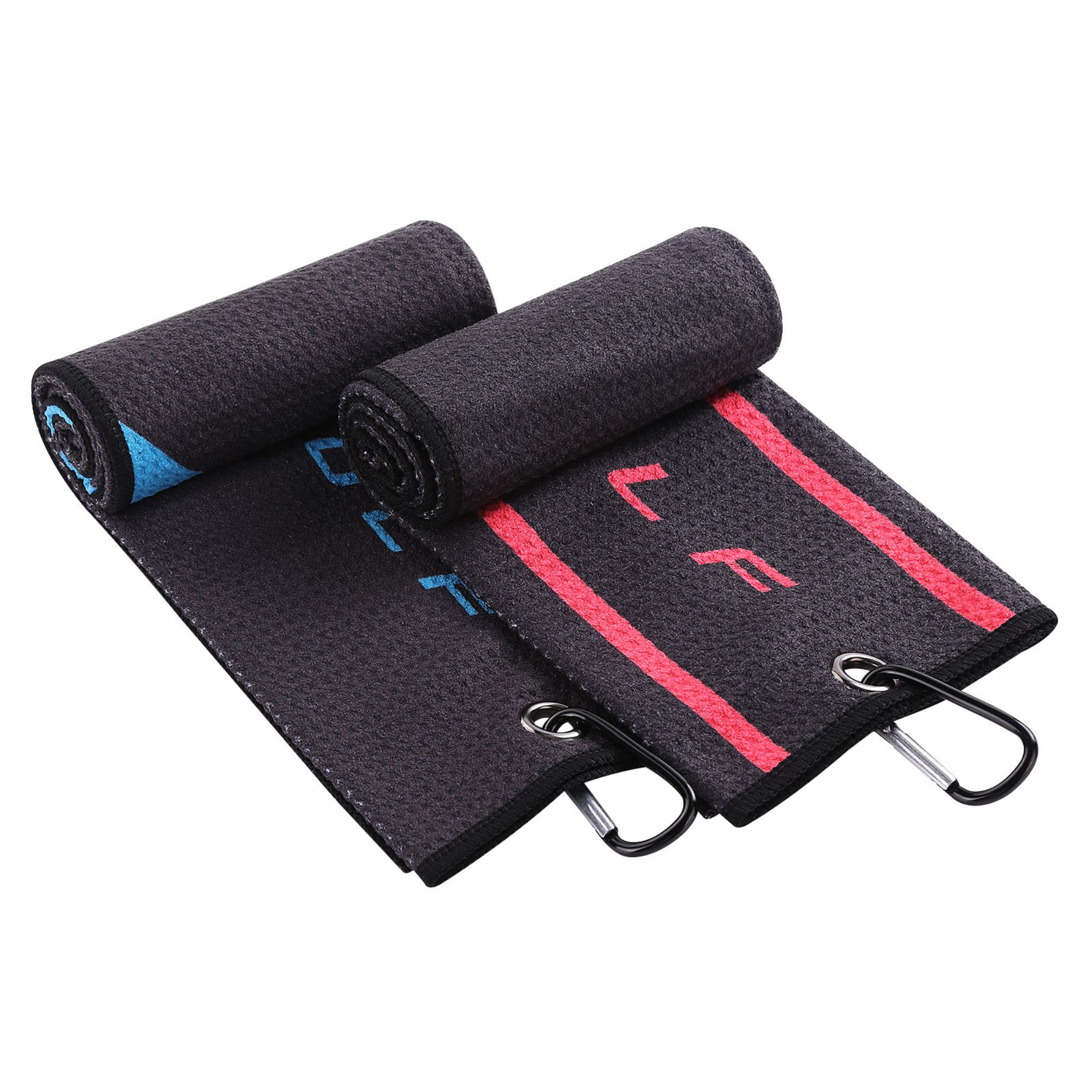
Jacquard towels boast a versatility that extends from the green of a golf course to the serene ambiance of a spa. Their luxurious texture and aesthetic appeal make them a favorite for enhancing customer experiences across various environments. With intricate patterns and durable construction, Jacquard towels like golf towels add a touch of elegance to outdoor activities. Data suggests that consumers prefer these towels in luxury spas due to their superior comfort and design appeal. Moreover, expert insights highlight how these towels elevate both functionality and luxury in specialty applications, providing not only utility but also a sensory experience that contributes to the overall atmosphere.
In the competitive world of hospitality, the hotel industry sets high standards for premium linens, and Jacquard towels stand out as a prime choice to meet these criteria. Renowned for their exquisite weaving techniques, Jacquard towels offer a combination of tactile quality, durability, and aesthetic appeal, crucial for luxury hotel linens. Industry benchmarks emphasize the importance of these factors, as they directly influence guest satisfaction and brand loyalty. Insights from hotel managers reveal that investing in high-quality towels not only enhances guest comfort but also strengthens the hotel's reputation, leading to repeat patronage and positive reviews.
Personalization has become a dominant trend in high-end retail, providing an opportunity for retailers to distinguish themselves through customization options. Jacquard towels, with their ability to incorporate unique designs and logos, serve as excellent products for personalized experiences. Successful strategies include offering bespoke embroidery, color schemes, and monogramming services, allowing customers to create unique pieces that reflect their identity. Retailers such as luxury department stores have seen success by implementing these personalization strategies, enhancing customer engagement and brand distinction. These cases underline the potential for Jacquard towels to cater to evolving consumer preferences in the luxury market.
To preserve the quality and longevity of Jacquard towels, following specific washing techniques is crucial. Firstly, use a mild detergent and wash Jacquard towels separately in cold water to prevent color bleeding and fabric weakening. According to textile experts, it's essential to set your washing machine to a gentle cycle. Secondly, avoid the use of bleach and fabric softeners, which can degrade the fibers. Research underscores that air-drying is preferable to machine-drying, as excessive heat can lead to shrinkage and damage. Common mistakes to avoid are overcrowding the washer and washing towels with heavy items, which can cause abrasions. Taking these steps will help maintain the vibrant colors and lush feel of Jacquard towels, ensuring they withstand the test of time.
Storing Jacquard towels properly is vital to prevent damage and extend their lifespan. To start, store them in a dry, cool place to avoid humidity-related issues. Experts recommend using breathable bagging, like cotton storage bags, to allow air circulation, thereby preventing mold and mildew. Additionally, folding towels neatly and avoiding direct light exposure can preserve their color and prevent fading. Organizationally, stacking towels on dedicated shelves protects them from unnecessary wear. It's also beneficial to rotate towels periodically to ensure even usage and longevity. By implementing these storage practices, you can maintain the quality of your Jacquard towels for years, ensuring they remain a luxurious part of your fabric collection.
OEKO-TEX certification is a pivotal standard in the textile industry, ensuring that Jacquard towels are free from harmful substances like azo dyes and heavy metals. This certification not only guarantees the safety of textiles for human use but also underscores a brand's commitment to sustainable practices. OEKO-TEX standards rigorously test fabrics for over 100 potential harmful substances, providing peace of mind to consumers concerned about fabric safety. A study by OEKO-TEX revealed that 70% of consumers prefer purchasing certified products due to their safety assurance and ecological responsibility, highlighting the growing consumer preference for OEKO-TEX certified items. As awareness grows, so does the demand for these safe and certified textiles, making OEKO-TEX certification a vital component in Jacquard towel manufacturing.
In the realm of Jacquard manufacturing, there is a notable shift towards using organic cotton, driven by environmental benefits and consumer demand. Organic cotton production is free of synthetic fertilizers and pesticides, reducing ecological footprint and promoting soil health. Recent market trends indicate a robust shift as consumers increasingly seek out organic textiles, favoring them for their perceived quality and environmental responsibility. A report by Textile Exchange highlighted a 10% annual growth in the organic cotton market, signifying this trend. While the cost of production may be higher, the quality and sustainability of organic Jacquard towels justify a slight premium, attracting eco-conscious consumers willing to invest in greener products. This shift not only enhances environmental stewardship but also fortifies brand loyalty and market positioning in a competitive textile landscape.
When purchasing Jacquard towels, understanding the weight and GSM (grams per square meter) is crucial. The GSM is a measure of the towel’s density, directly impacting its softness, absorbency, and durability. Higher GSM towels are typically plush and more absorbent, making them ideal for spa use, while those with a lower GSM are lighter and dry quickly, perfect for beach settings. Experts recommend a GSM range of 400-600 for everyday use, 600-900 for luxury spa towels, and 300-400 for beach towels. This guide provides a clear framework, allowing you to select towels that best meet your specific needs.
Evaluating thread quality is vital when choosing Jacquard towels, as it determines their longevity and feel. High thread count, which indicates the number of threads per square inch, and the fiber quality greatly influence the towel's durability and comfort. Ideally, look for towels with a higher thread count made from premium fibers like Egyptian or Turkish cotton, known for their softness and strength. By learning to recognize these high-quality attributes, you can avoid towels made with inferior materials that may not hold up to frequent use.
Selecting Jacquard towels from reputable artisan producers can greatly impact the quality and ethical standards of your purchase. Artisan producers often employ traditional techniques and sustainable practices, ensuring superior craftsmanship and responsible sourcing. Purchasing from well-regarded producers not only guarantees quality but also supports ethical manufacturing practices. Customer testimonials often praise the unique craftsmanship and ethical values of artisan products, underlining the value of investing in towels from respected producers.
 Hot News
2024-03-08
2024-03-08
2024-03-08
2024-03-08
2024-03-08
 EN
EN
 AR
AR
 NL
NL
 FR
FR
 DE
DE
 IT
IT
 JA
JA
 KO
KO
 PT
PT
 RU
RU
 ES
ES