
Home > Contact Us > News
Absorbency and drying speed greatly differentiate cotton and microfiber towels. Microfiber towels, known for their exceptional absorbency, can soak up to seven times their weight in water, making them particularly advantageous in scenarios that demand quick drying. This superior absorbency leads to faster drying times compared to cotton towels. In contrast, cotton towels tend to retain moisture for longer due to their natural fibers, which can prolong the drying process. In commercial settings, the rapid drying capability of microfiber towels can reduce labor costs associated with laundering, ultimately leading to faster turnaround times. This efficiency positions microfiber towels as the preferred choice for businesses aiming to optimize operational productivity.
The durability of microfiber towels compared to cotton is a crucial factor in high-volume commercial environments. Microfiber towels are designed to withstand frequent laundering, retaining their structure and effectiveness even after multiple washes. Studies have shown that microfiber towels can endure up to 500 washes without significant deterioration, whereas cotton towels may only endure 100-300 washes. This longevity makes microfiber towels an ideal choice for businesses requiring durable products that can handle the rigors of daily use. Moreover, the resistance of microfiber towels to wear and tear ensures that companies can maintain their standards without frequent replacements, providing a cost-effective solution for establishments where frequent laundering is necessary.
Examining the environmental impact and sustainability between cotton and microfiber towels reveals significant differences. Cotton farming inherently demands substantial water, pesticides, and fertilizers, resulting in a larger environmental footprint compared to the production of synthetic microfiber towels. However, microfiber's synthetic nature can contribute to microplastic pollution, a concern that has spurred advancements in recycling technologies aimed at minimizing environmental harm. For companies prioritizing sustainability, microfiber offers advantages in terms of reduced water usage during laundering, potentially offsetting certain environmental concerns. By focusing on sustainable practices, businesses can leverage microfiber towels to achieve a balance between environmental responsibility and operational efficiency.
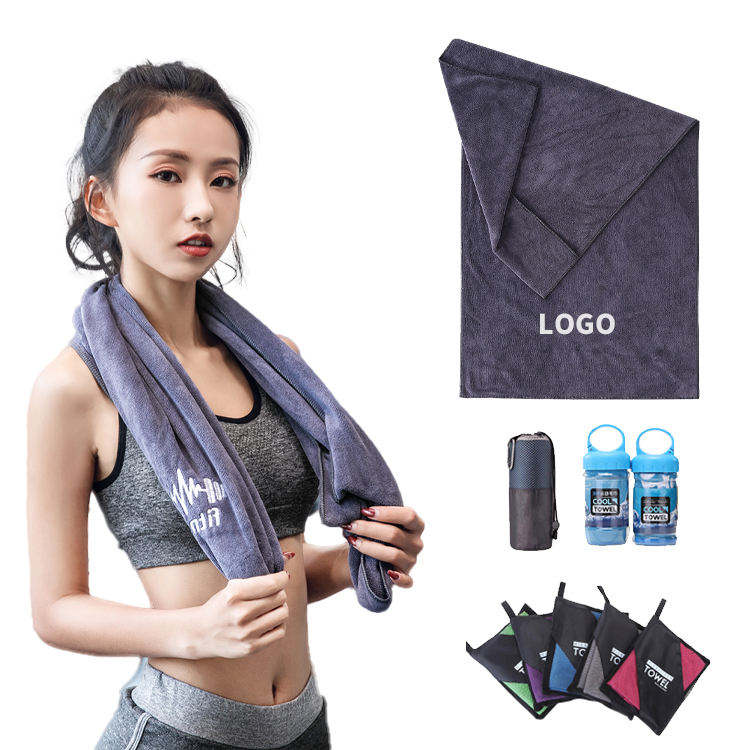
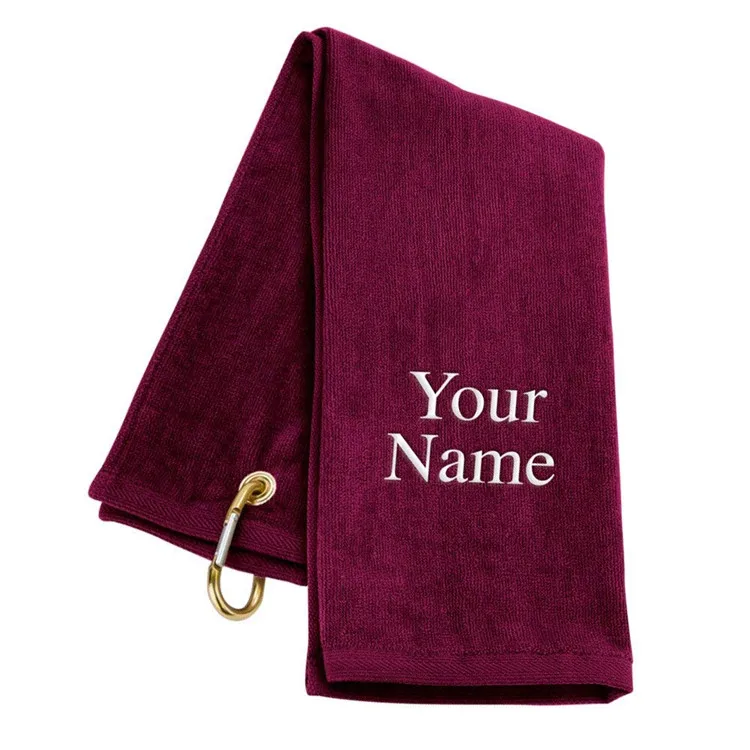
Microfiber golf towels are a top choice in sports settings due to their exceptional absorbency. Players appreciate how quickly these towels can dry equipment and hands, aiding performance on the course. Their durability and ease of care make them especially suitable for high-traffic sports facilities where frequent washing is imperative. Facility managers have consistently reported that microfiber towels contribute significantly to a professional appearance, enhancing customer satisfaction through their reliable performance and pristine look.
In the realm of automotive detailing, microfiber cloths are indispensable, thanks to their lint-free and scratch-resistant properties. Compared to traditional cotton options, users find microfiber to offer superior performance, particularly for tasks like polishing and drying vehicles. Industry standards recommend microfiber for all detailing applications, asserting that this choice enhances the efficacy of cleaning while fostering trust with clients due to its dependable nature.
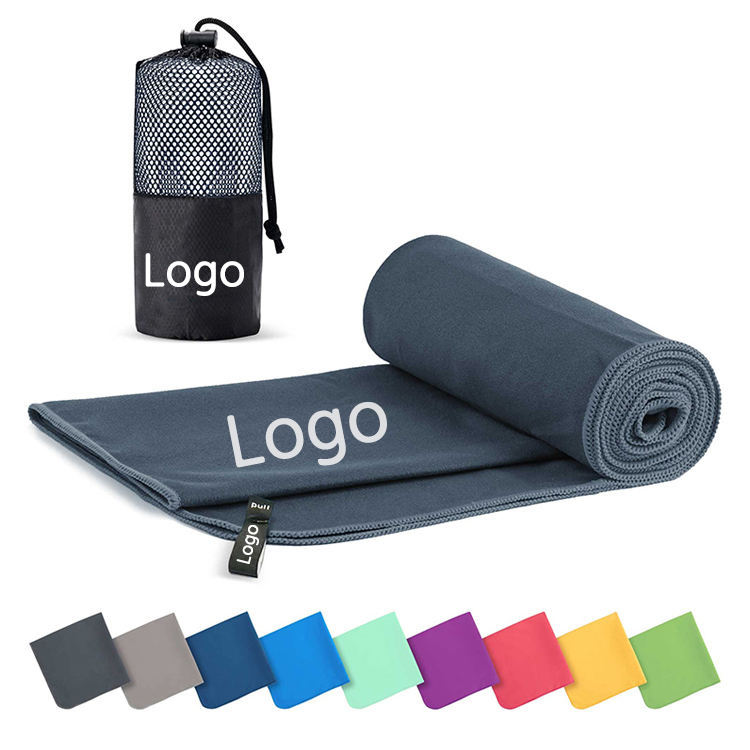
Microfiber towels shine in hospitality environments such as beach resorts, where their lightweight and quick-drying nature significantly optimizes laundering turnaround times. These towels also take up less space and are easier to transport, which is a logistical advantage in resorts where storage may be limited. Utilizing branded microfiber towels not only elevates the guest experience with a premium feel but also promotes brand visibility, reinforcing the establishment's image through high-quality, comfortable, and functional textiles.
By tailoring microfiber solutions to specific B2B needs, industries ranging from sports and automotive to hospitality can greatly enhance operational efficiency and customer satisfaction.
Understanding SGS/GTT certification is crucial for ensuring that microfiber products meet international safety and quality standards. These certifications serve as a testament to the transparency in manufacturing processes and can significantly influence purchasing decisions in bulk orders. Industry data clearly illustrates that products with SGS/GTT certifications often yield higher customer satisfaction and considerably lower return rates. Additionally, certifications can enhance the credibility of the supplier and assure clients of consistent quality standards in their towel offerings.
Grams per square meter (GSM) is a critical metric that indicates the thickness and absorbency of towels, directly affecting their overall quality. A higher GSM signifies a denser and more absorbent towel, improving its performance in various applications. Microscopic examinations demonstrate that greater thread density in microfiber towels leads to superior absorbency and durability. Industry benchmarks often recommend specific minimum GSM levels tailored for different commercial uses to guarantee their effectiveness, thus ensuring towels meet and exceed customer expectations in quality.
Colorfastness is essential for maintaining the integrity of custom logo designs on towels, especially when frequent washing is involved. Testing methods such as wash testing and light exposure tests are commonly used by suppliers to ensure quality assurance. These tests help prevent fading or color bleeding, which are detrimental to brand image and can result in lost business opportunities. Therefore, rigorous colorfastness testing should be integrated into the supply chain to preserve the vibrancy of custom designs, thereby enhancing brand visibility and customer loyalty.
Laundering costs are a significant component of operational expenses and can vary widely depending on the material of the towels used. For instance, microfiber towels typically need less water and detergent per cycle compared to traditional cotton towels. This reduced requirement means that over time, businesses can see a decrease in their laundering costs. Additionally, by analyzing the frequency of use and the type of material, companies can estimate total laundering expenses efficiently. This data enables informed decisions that optimize operational savings.
Understanding towel lifespan is vital for businesses aiming to accurately forecast replacement cycles and allocate budgets effectively. Microfiber towels often surpass cotton towels in durability and longevity, meaning they require less frequent replacements. These extended life spans directly translate to cost savings. Statistical analysis consistently shows that high-quality microfiber towels not only meet but exceed lifespan expectations, far outperforming their cotton counterparts in terms of durability and resistance to wear and tear.
Efficiently managing inventory can lead to substantial cost savings. Microfiber towels, being less bulky than cotton options, require less storage space, which can significantly cut down storage-related expenses. Businesses should evaluate the impact of storage costs against inventory turnover rates to maximize efficiency. Proper storage strategies allow companies to maintain optimum stock levels without incurring prohibitive costs, ensuring smooth operations and minimal shortages.
Sublimation printing stands out as a vibrant and enduring method for branding microfiber towels, making it a preferred choice for corporate logos. This technique not only delivers high-quality prints but also ensures that the designs remain bright and intact through numerous laundering cycles. Companies that utilize sublimation printing for branded towels can boost brand recognition, leading to enhanced customer loyalty and a stronger presence in B2B sectors. By integrating corporate logos into everyday items like towels, businesses can continuously reinforce their brand message, thus creating a lasting impression on clients and partners alike.
Tailoring towel weight according to the intended use allows businesses to cater to diverse customer needs effectively. For example, lightweight options are ideal for on-the-go activities like golf, where bulk is a concern, while thicker, more absorbent versions are perfect for beach resorts. By understanding specific client preferences, suppliers can offer variations that not only enhance satisfaction but also open opportunities for upselling premium towel variants. This weight profiling helps in aligning the product offerings with the customer's expectations and enhances the perceived value and service excellence of a company’s product line.
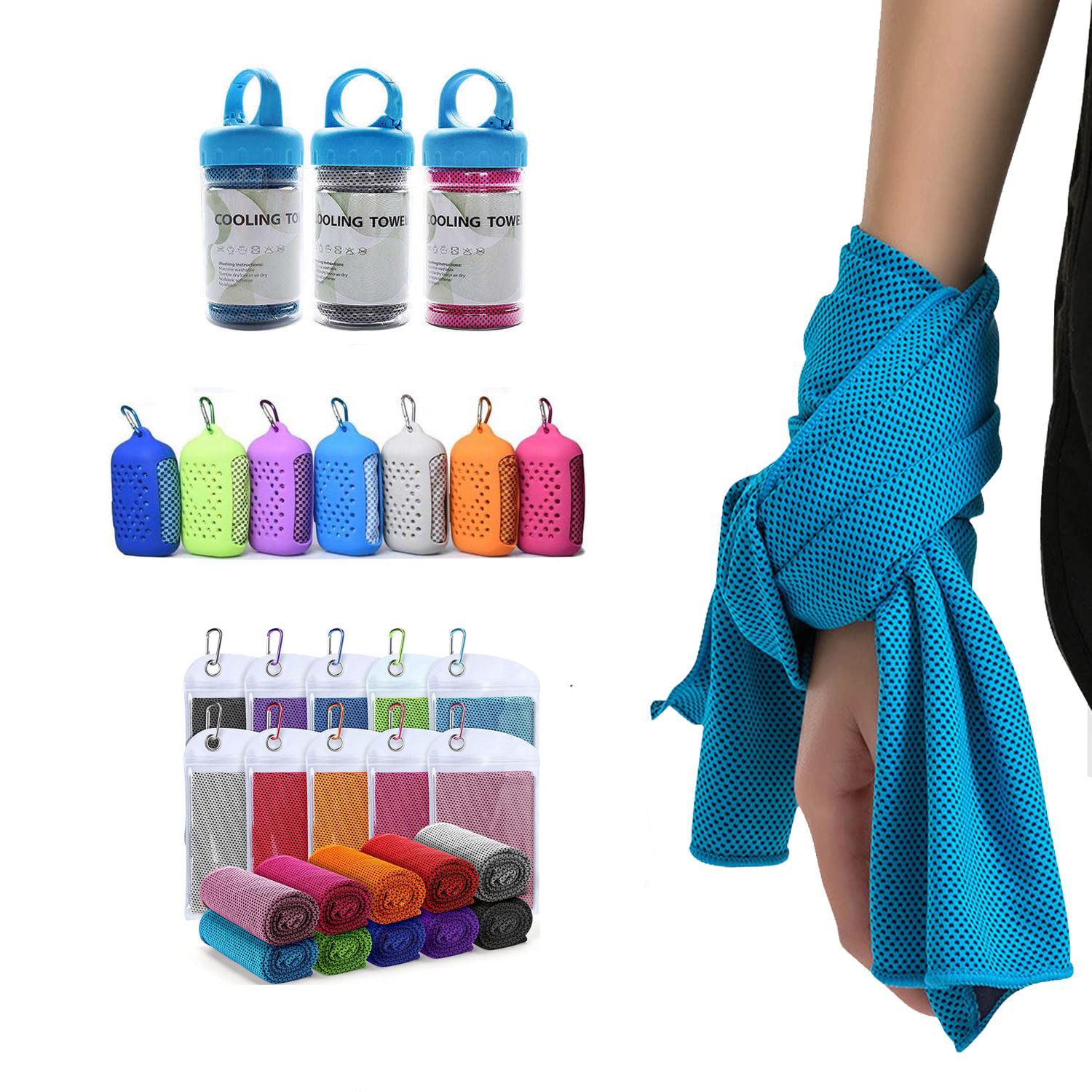
Efficient packaging is crucial when fulfilling bulk orders, as it directly impacts shipping costs and storage efficiency. By minimizing package size and using innovative space-saving methods, businesses can reduce transportation expenses and maximize storage during transit. Furthermore, customized packaging featuring a company's branding and marketing materials can reflect the business's values from the instant the delivery is made, creating a professional image. Research indicates that well-thought-out packaging solutions significantly contribute to higher client satisfaction, as they often reflect the quality and care invested in the product, contributing to an enhanced delivery experience.
 Hot News
2024-03-08
2024-03-08
2024-03-08
2024-03-08
2024-03-08
 EN
EN
 AR
AR
 NL
NL
 FR
FR
 DE
DE
 IT
IT
 JA
JA
 KO
KO
 PT
PT
 RU
RU
 ES
ES