Home > Contact Us > News
When choosing the right fabric for branded towels, understanding the differences between cotton and microfiber is crucial. Cotton towels are renowned for their softness, absorbency, and comfort, making them a staple in homes. As a natural fiber, cotton is biodegradable, aligning with the values of environmentally-conscious brands. It's often considered the go-to for products like tea towels due to its gentle touch and durability.
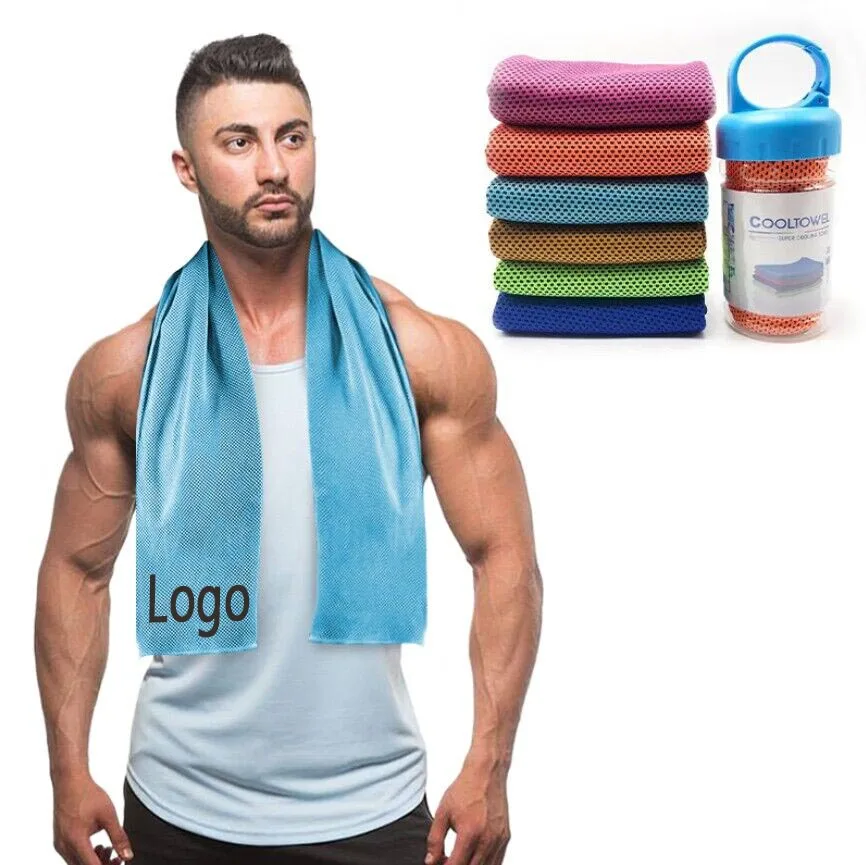
In contrast, microfiber offers distinct advantages, particularly in settings requiring high performance. Its lightweight nature and superior absorbency make it ideal for sports and automotive applications. Microfiber towels can absorb eight times their weight in water and dry quickly. This fabric picks up dirt and grime more effectively than cotton, especially useful in making microfiber cloths for cars and microfiber rags. By understanding these attributes, businesses can tailor their marketing strategies to align products with the right audience.
Microfiber cloths are indispensable in automotive cleaning, thanks to their ability to cleanse without scratching delicate vehicle finishes. These cloths are designed to attract and lift dirt away from surfaces, ensuring a pristine finish every time. It's no surprise that the automotive industry is observing a growing preference for microfiber products, with the global market for microfiber expected to experience significant growth due to their versatility and efficiency.
Automotive experts repeatedly vouch for microfiber cloths. According to a popular detailing professional, "Microfiber cloths have become a gold standard for ensuring a streak-free finish on vehicles." These expert testimonials emphasize not just the practical benefits, but also the industry-wide shift toward safer, more effective cleaning solutions.
When considering bulk orders of branded towels, understanding durability across different materials becomes critical. Cotton towels, while comfortable and absorbent, tend to wear out faster with frequent use and washing, potentially reducing their lifespan in high-demand environments. This is where microfiber excels; it is designed to withstand numerous washes without significant degradation, making it the preferred choice in settings where longevity and performance are paramount.
Research has shown that microfiber towels maintain their quality and effectiveness even after repeated laundering, which is crucial for businesses seeking cost-efficient solutions in bulk purchases. To maximize towel lifespan, proper care practices are essential—using mild detergents and avoiding fabric softeners can preserve the integrity of both cotton and microfiber towels. This approach not only extends product life but also ensures that the investment in bulk orders yields the best returns.
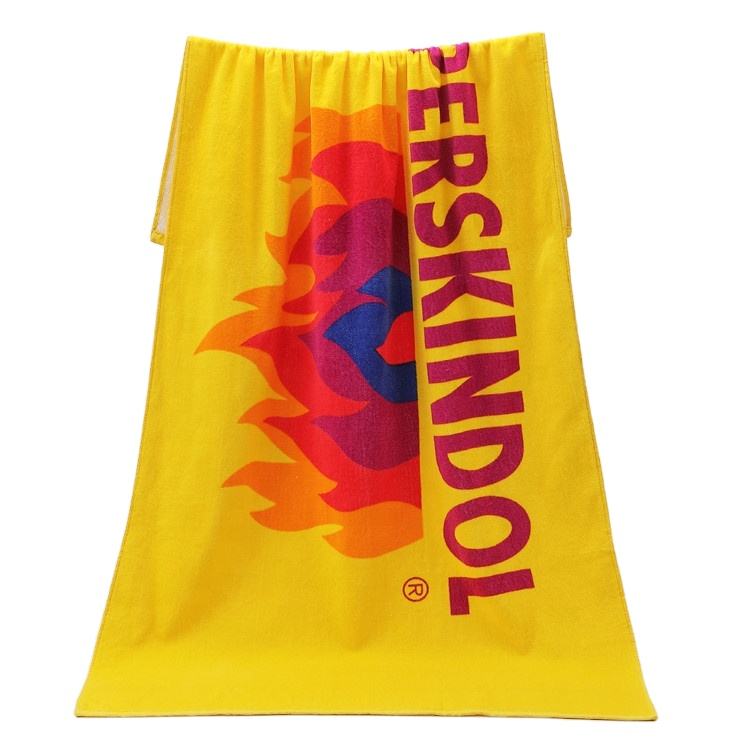
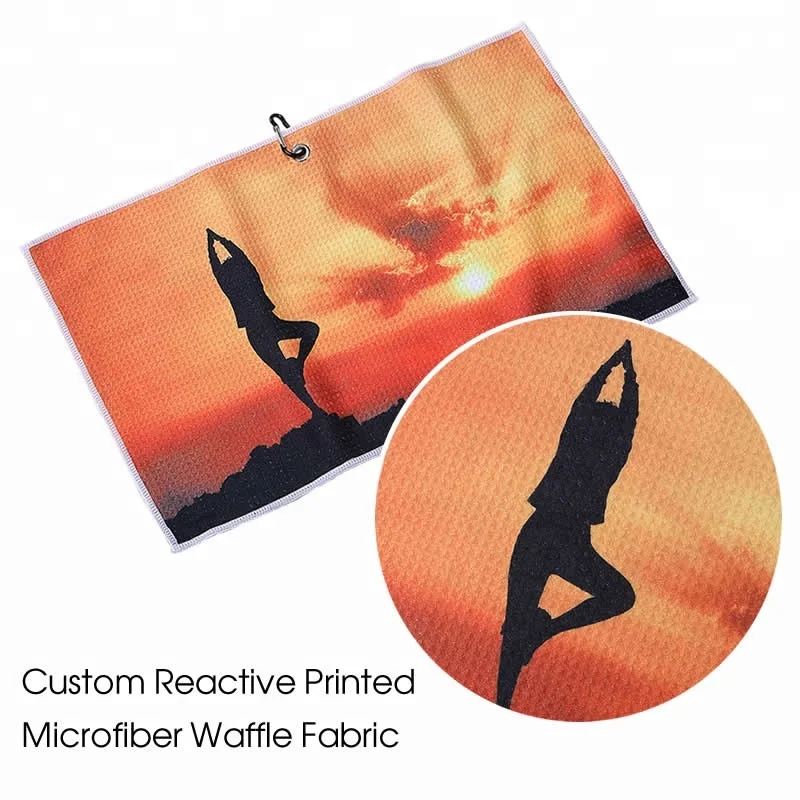
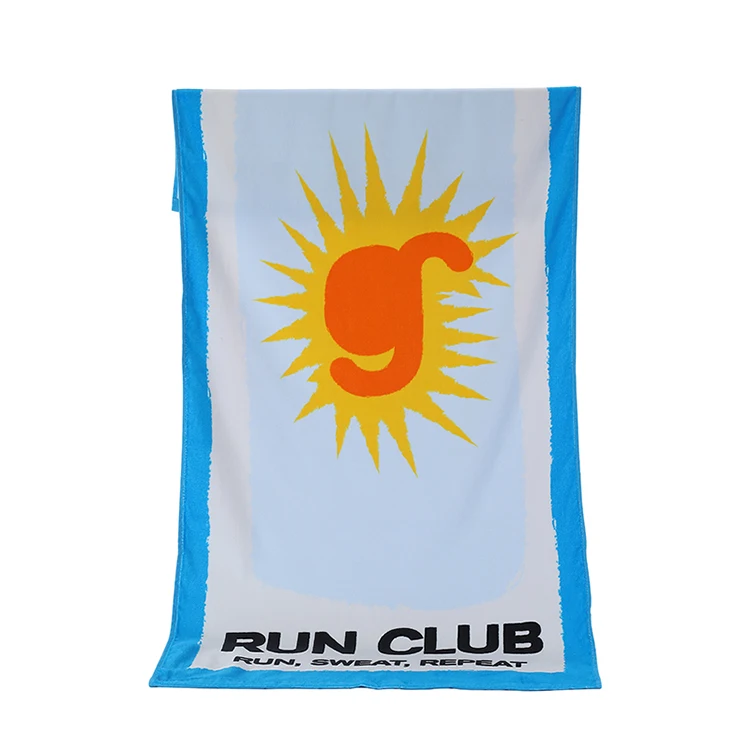
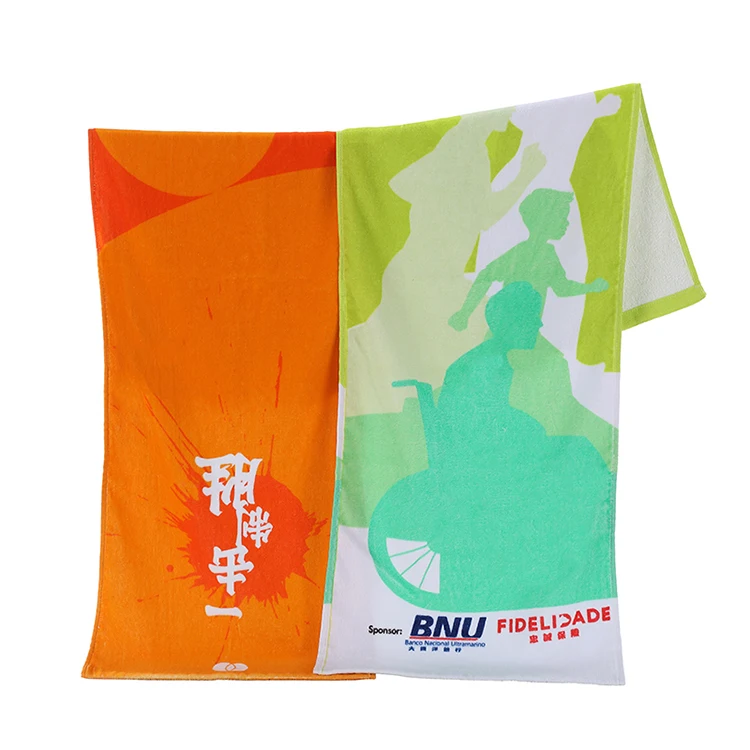
Choosing the right printing technique is crucial for custom towel branding. Screen printing offers several advantages, including cost-effectiveness for large runs and vibrant colors, making it ideal for bold, simple designs. This traditional method is highly durable and can withstand repeated washes, making it a popular choice for brands looking to produce large quantities of towels economically. On the other hand, digital sublimation provides the flexibility to print intricate designs, gradients, and photographs, catering to brands that prefer offering uniquely designed promotional towels. This method is particularly effective for smaller runs or intricate logos, ensuring high-definition prints without the risk of color fading. Additionally, numerous case studies highlight brands opting for specific printing techniques based on their marketing goals, budget constraints, and intended towel use, underscoring the strategic importance of selecting the appropriate method.
Integrating logos into golf and tea towels requires careful consideration of design placement to maximize visibility and practicality during use. Suitable placements ensure logos remain prominent whether during a golf game or while serving up afternoon tea. Creative design elements, such as embroidery or woven logos, can significantly elevate the perceived quality of the towels. These techniques add a tactile dimension to towels, making them feel more luxurious and personalized. Successful brand partnerships have effectively utilized custom towels, leveraging logo incorporation to enhance marketing efforts. Such initiatives not only bolster brand visibility but also provide a tangible means of connecting with consumers. Brands have seen metrics showcasing improved brand exposure as consumers utilize towels adorned with eye-catching logos.
Ensuring the colorfastness of branded towels is critical to maintaining long-term brand integrity. Colorfastness refers to the ability of towels to retain color after repeated washing and exposure to sunlight, safeguarding the visual appeal of branded towels. Towels that fade quickly or bleed color can severely impact brand perception. Industry standards, such as those set by the American Association of Textile Chemists and Colorists (AATCC), provide guidelines to evaluate a towel's colorfastness. Brands are advised to ensure compliance with these standards when sourcing customized towels to prevent negative consumer feedback. Companies that ignored colorfastness testing have suffered reputational damage, illustrating the importance of maintaining towel quality through rigorous testing processes. Investing in quality assurance can prevent adverse effects on brand reputation due to poor towel performance.
Minimum Order Quantity (MOQ) refers to the smallest number of units that a manufacturer is willing to produce and sell at one time, and negotiating it effectively can lead to significant cost savings. Businesses can achieve cost efficiency by establishing long-term relationships with manufacturers, which can encourage lower MOQs as a sign of trust and commitment. Additionally, leveraging broad marketing campaigns during negotiations can be a valuable tactic. By emphasizing the potential for consistent large orders tied to promotional efforts, businesses can gain leverage to reduce MOQs. Successful case studies highlight that companies have saved up to 15% on expenditures by strategically negotiating MOQs, ultimately boosting their bottom line.
Efficient warehousing solutions are crucial for managing large inventories of microfiber rags, whether businesses choose in-house or third-party storage options. In-house warehousing provides more control over operations, though third-party warehousing can offer scalable solutions that adapt to fluctuating inventory levels. Effective inventory management systems play a key role in this by tracking stock levels accurately, minimizing wastage, and preventing overstocking. Studies in supply chain logistics emphasize strategic warehousing as pivotal in sustaining service levels and achieving quicker order fulfillment times. This enhanced efficiency and reduced fulfillment times translate directly into customer satisfaction and repeat business, essential elements in a thriving retail operation.
Turnaround times are a critical factor impacting seasonal campaigns, where timely product introductions are key to success. Marketing initiatives hinge on aligning production schedules and bulk orders with promotional calendars. Businesses must meticulously plan timelines for bulk orders, taking into account manufacturing lead times, to ensure products are available when needed. Expert opinions, such as those from renowned marketing strategists, affirm that timely product releases often correlate with increased sales and enhanced customer satisfaction. Proper synchronization of production and marketing can secure a competitive edge, allowing businesses to capitalize on seasonal demands effectively.
Creating strategic partnerships with resorts can significantly boost poncho towel sales and visibility. Resorts are always looking to enhance their guest experience, and offering customized poncho towels as part of their guest services can be a unique selling point. Poncho towels add value by providing functionality and style, perfect for resort settings. To capitalize on this, businesses can explore promotional strategies like co-branding and ambassador programs. By engaging with leisure industry influencers, businesses can position poncho towels as a luxurious, must-have item for resort guests. Successful collaborations in the past have led to substantial increases in brand visibility and sales. With the right resort partnership, your poncho towels can stand out and become a sought-after amenity.
Creative bundling strategies can significantly enhance retail displays and drive towel sales. By pairing poncho towels with beach umbrellas, sunscreen, and other complementary products, you can create irresistible package deals that attract consumers. The visual merchandising of these bundles should focus on maximizing aesthetic appeal to draw consumer attention, using strategic display arrangements and color coordination. Successful towel bundle campaigns have shown increased sales as consumers are enticed by the added value and convenience these packages provide.
The rise in consumer interest in eco-friendly products presents an opportunity for effective marketing of sustainable towels. Brands can communicate their commitment to sustainability through promotion of eco-friendly practices, such as the use of organic cotton or recycled materials. Highlighting certifications, like those from the Global Organic Textile Standard (GOTS), bolsters these claims by providing them credibility and can be strategically marketed to enhance brand reputation. Survey data indicates a strong consumer preference for environmentally responsible brands, and aligning your marketing strategies with these insights can boost consumer engagement and loyalty.
In summary, effective marketing of custom towels requires strategic thinking in partnerships, bundles, and sustainable practices to tap into consumer trends and maximize brand visibility and sales potential.
 Hot News
2024-03-08
2024-03-08
2024-03-08
2024-03-08
2024-03-08
 EN
EN
 AR
AR
 NL
NL
 FR
FR
 DE
DE
 IT
IT
 JA
JA
 KO
KO
 PT
PT
 RU
RU
 ES
ES