
Home > Contact Us > News
Maintaining proper hygiene during exercise is essential for both health and performance, yet many athletes overlook one of the simplest tools available: a dedicated sport towel. A quality sport towel serves far more than an aesthetic purpose during workouts. It actively prevents the spread of bacteria, reduces skin irritation, and creates a protective barrier between your body and equipment surfaces. Whether you're training at a commercial gym, exercising outdoors, or working out at home, using a sport towel is a foundational hygiene practice that directly impacts your overall wellness and immune resilience.
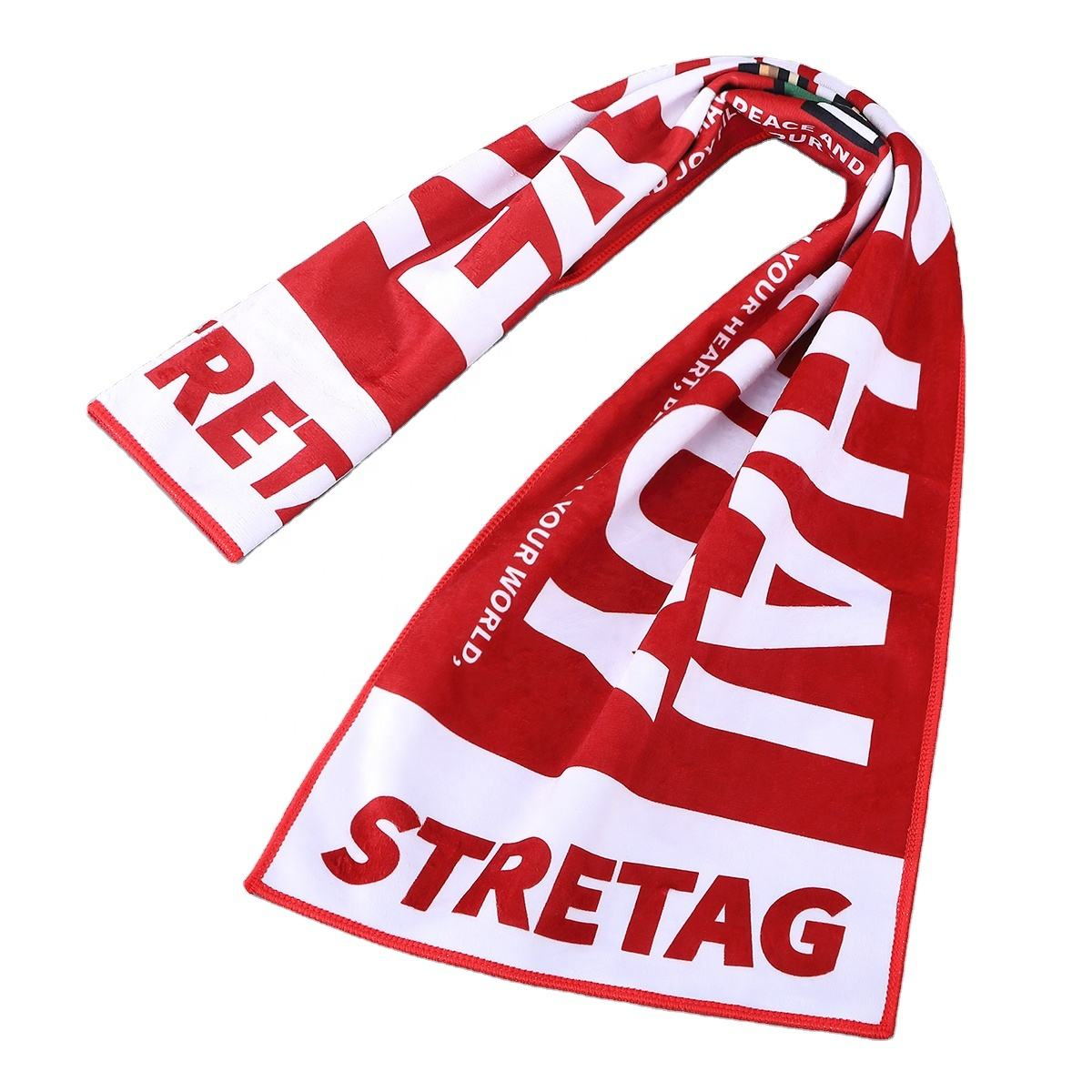
The connection between towel use and hygiene is backed by practical fitness science. When you exercise, your body perspires heavily, creating warm, moist conditions that favor bacterial growth. Without proper containment and management, this moisture transfers directly onto equipment and your skin, amplifying infection risk. A high-quality sport towel absorbs sweat efficiently, reduces bacterial transfer, and protects shared equipment surfaces from contamination. Understanding how a sport towel works in hygiene maintenance helps you make informed choices about your workout routine and personal health protection.
Effective moisture management is the foundation of exercise hygiene, and a sport towel is specifically engineered for this purpose. When you exercise intensely, sweat production can exceed one liter per hour, depending on exercise intensity and environmental conditions. Without adequate absorption, this moisture lingers on your skin and clothing, creating an ideal environment for bacterial and fungal proliferation. A premium sport towel uses microfiber technology or similar advanced materials to capture sweat quickly, pulling moisture away from your skin surface and into the towel's fibers. This rapid absorption prevents sweat from pooling on equipment surfaces where pathogens thrive, directly reducing your exposure to harmful microorganisms during and after your workout.
Gym equipment and shared fitness spaces harbor numerous pathogens, from common bacteria like staphylococcus to fungal organisms responsible for skin infections. Every time you touch equipment without a protective layer, you risk transferring these organisms directly onto your skin. Using a sport towel creates a crucial barrier between your body and contaminated surfaces. When you place a clean sport towel on exercise equipment before use, you significantly reduce direct skin contact with pathogens. Additionally, the sport towel itself absorbs any residual contamination from equipment surfaces, preventing those pathogens from gaining entry through open pores and micro-abrasions common during intense physical activity. This simple practice substantially lowers infection risk across multiple skin conditions, including folliculitis, ringworm, and staph-related issues.
Skin irritation during exercise stems from multiple sources: friction between skin and equipment, salt accumulation from sweat, and bacteria colonization in moist areas. A properly used sport towel addresses all three factors simultaneously. By absorbing sweat consistently throughout your workout, a sport towel prevents salt crystallization on your skin, which causes significant irritation and inflammation. The towel's soft material also creates a cushioned barrier between your body and hard equipment surfaces, reducing abrasive friction that leads to chafing and raw patches. When you wipe down with a sport towel between exercises, you're actively removing salt buildup, dead skin cells, and bacterial colonies before they accumulate enough to trigger irritation. This preventive approach keeps your skin healthier and more comfortable throughout extended training sessions.
Your skin's natural barrier function weakens during intense exercise when sweat and sebum mix with environmental pollutants and bacterial agents. This compromised barrier makes your skin more susceptible to infection and irritation. A sport towel supports barrier recovery by managing moisture levels and removing contaminants before they penetrate deeper skin layers. When you use a sport towel to dry off between sets or after your workout, you're helping your skin transition back to normal moisture levels, which is essential for barrier restoration. The choice of sport towel material matters significantly here: microfiber sport towel options are gentler on compromised skin and less likely to cause additional irritation compared to standard cotton alternatives. By maintaining proper moisture balance with a quality sport towel, you preserve your skin's protective capacity and accelerate post-exercise recovery.
Incorporating a sport towel into your exercise routine requires deliberate habit formation. The most effective approach involves designating a clean sport towel specifically for your workout sessions and washing it immediately after use. Many athletes make the mistake of reusing the same sport towel for multiple consecutive workouts, which defeats the hygiene benefits entirely. A properly maintained sport towel should be laundered after every workout in hot water with appropriate detergent to eliminate all bacterial colonies. Additionally, you should wipe down equipment surfaces with your sport towel before and after use, protecting both yourself and others who share the equipment. If you exercise in communal settings, always place your sport towel on equipment before sitting or lying down, using it as a protective barrier throughout your session. This consistent protocol transforms your sport towel from a sweat-absorption tool into a comprehensive hygiene safeguard.
Not all towels provide equal hygiene benefits during exercise. A true sport towel differs fundamentally from household bath towels in both construction and performance characteristics. Microfiber sport towel options offer superior moisture absorption, antimicrobial properties, and quick-drying capabilities that prevent bacterial regrowth between workouts. These materials are specifically engineered to be soft on sensitive skin while maintaining structural integrity through repeated washings. Cotton-based sport towel alternatives work adequately but absorb moisture more slowly and retain bacteria longer during the drying process. When selecting a sport towel, prioritize absorption speed, material durability, and ease of sanitization. Size matters as well: a full-sized sport towel provides adequate coverage for equipment and body drying, while smaller towel options may require more frequent wringing and reduce your overall hygiene protection during extended workouts.
A sport towel significantly reduces infection risk by creating a protective barrier and managing moisture, but it cannot provide 100% prevention. While a sport towel addresses major contamination pathways, infections can still occur through other routes like shared water facilities or skin-to-skin contact. The key is viewing your sport towel as part of a comprehensive hygiene strategy that includes showering after workouts, maintaining proper nutrition, and getting adequate sleep. A high-quality sport towel dramatically lowers infection probability when used consistently, making it an essential component of any athlete's hygiene toolkit.
Your sport towel should be laundered after every single workout session. Never reuse a sport towel for consecutive workouts without washing, as bacteria proliferate rapidly in moist towel environments. For optimal results, wash your sport towel in hot water with regular laundry detergent and allow it to air-dry or use medium heat. If you exercise multiple times daily, you'll need multiple sport towel options to ensure you always have a clean one available. This frequent washing protocol transforms your sport towel into a reliable hygiene tool rather than a vector for bacterial transfer.
Microfiber sport towel options generally outperform traditional cotton for exercise hygiene purposes. A microfiber sport towel absorbs moisture faster, dries more quickly, and resists bacterial growth more effectively than cotton alternatives. The synthetic fibers in microfiber create a less hospitable environment for pathogens, and the material's structure allows thorough sanitization during washing. While cotton sport towel options are adequate and more affordable, they retain moisture longer and may harbor bacteria between washes. For serious athletes and frequent gym-goers, investing in a quality microfiber sport towel provides superior hygiene outcomes and longer-term durability compared to standard cotton.
 Hot News
2024-03-08
2024-03-08
2024-03-08
2024-03-08
2024-03-08
 EN
EN
 AR
AR
 NL
NL
 FR
FR
 DE
DE
 IT
IT
 JA
JA
 KO
KO
 PT
PT
 RU
RU
 ES
ES