
Home > Contact Us > News
The fitness industry is undergoing a profound transformation as sustainability becomes central to consumer decision-making. Eco-friendly sport towel products are no longer niche items but mainstream expectations among health-conscious athletes and gym-goers. The demand for sustainable sport towel solutions reflects a broader market shift toward environmental responsibility, where traditional cotton and synthetic options face pressure from innovative, eco-conscious alternatives. This evolution is reshaping how fitness facilities source equipment, how manufacturers design products, and how consumers evaluate their purchasing choices. The sport towel category exemplifies how environmental values now intersect directly with athletic performance and brand loyalty.
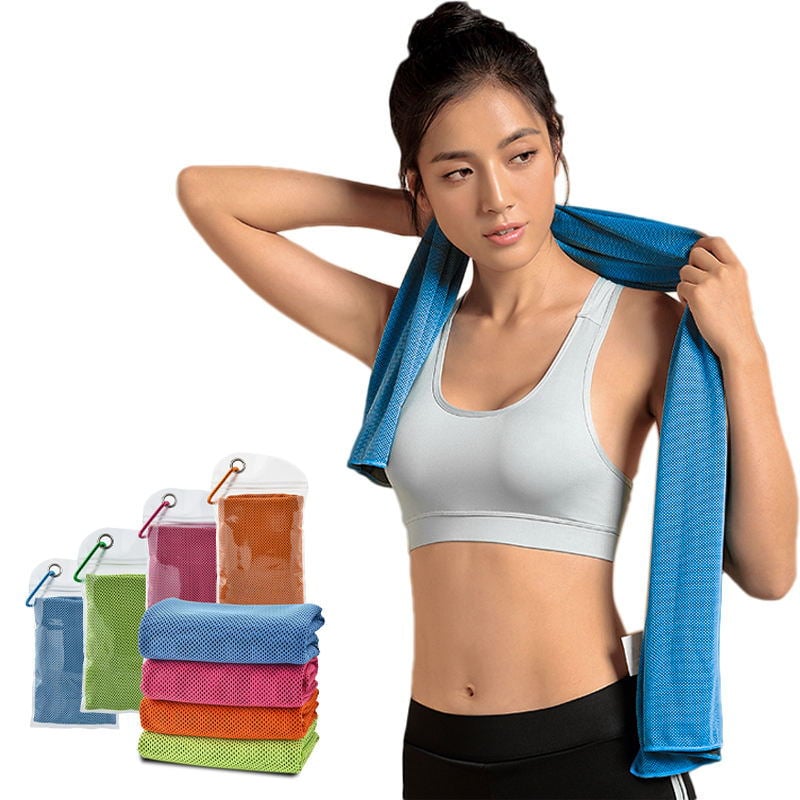
Market research demonstrates that fitness enthusiasts increasingly prioritize sustainability when selecting a sport towel. The global fitness sector now sees sustainable products as a competitive advantage rather than a premium luxury. Forward-thinking brands recognize that every sport towel sold represents an opportunity to reinforce environmental commitment and build lasting customer relationships. This shift has prompted manufacturers to innovate across multiple dimensions: material composition, production processes, packaging, and end-of-life recyclability. Understanding how sustainable sport towel innovations are reshaping market dynamics provides insight into broader industry trends and consumer behavior patterns.
Sustainable sport towel manufacturers now leverage advanced fiber technologies that reduce environmental footprint without compromising performance. Bamboo viscose, organic cotton, and recycled polyester represent the primary material innovations driving market change. A premium sport towel made from bamboo requires significantly less water than conventional cotton alternatives, addressing one of agriculture's most pressing environmental challenges. Recycled polyester sport towel options utilize post-consumer plastic waste, diverting materials from landfills while maintaining durability and quick-dry properties. These material shifts demonstrate that environmental responsibility and athletic functionality are no longer mutually exclusive considerations in the sport towel category.
The evolution of sustainable sport towel technology ensures that eco-conscious choices do not require performance sacrifices. Modern sport towel designs incorporate advanced moisture-wicking capabilities, antimicrobial treatments, and rapid-drying technologies. Manufacturers invest heavily in research and development to ensure that a sport towel constructed from sustainable materials absorbs moisture as efficiently as traditional options. This technical parity has eliminated the historical trade-off between sustainability and performance, fundamentally changing purchasing calculus for fitness professionals and individual athletes. The sport towel market now demonstrates that sustainability and premium functionality can coexist seamlessly within the same product.
Fitness centers and gymnasiums increasingly integrate sustainable sport towel offerings as core facility services, recognizing environmental alignment as a brand differentiator. Premium facilities implement rental programs featuring high-quality sport towel products manufactured from sustainable materials, reducing per-use environmental impact compared to individual disposable towels. This institutional adoption of sustainable sport towel solutions creates economies of scale that reduce unit costs and accelerate market penetration. Facilities competing for environmentally conscious members recognize that offering a sport towel option aligned with sustainability values strengthens brand positioning and justifies premium membership pricing. The shift toward facility-provided sustainable towel programs represents a structural market change with significant implications for sport towel manufacturers and suppliers.
Consumer research reveals that purchasing decisions for personal sport towel products increasingly weigh environmental credentials alongside traditional attributes like absorbency and durability. Athletes actively seek brands transparent about sport towel sourcing, manufacturing practices, and sustainability certifications. The sport towel category has become a visible manifestation of personal environmental values, particularly among younger demographic segments that prioritize purchasing decisions reflecting their sustainability commitments. Online communities and fitness influencers actively discuss and recommend sustainable sport towel options, creating peer-driven market momentum. This consumer-led movement has transformed sport towel selection from a commodity decision into a values-aligned purchasing choice that carries social and environmental significance.
Established textile manufacturers and emerging sustainable startups compete aggressively within the sport towel category, driving innovation and forcing market-wide quality improvements. Brands differentiate through sport towel certifications from recognized environmental bodies, transparency regarding manufacturing practices, and measurable sustainability metrics. The competitive intensity in the sport towel market has accelerated the transition toward sustainable products, as lagging competitors face market share erosion and brand perception challenges. Leading manufacturers now position sustainable sport towel products as their primary market offering rather than supplementary options. This competitive reorientation creates positive feedback loops where increased demand for sustainable sport towel solutions attracts further investment in eco-friendly production technologies.
Emerging regulatory frameworks increasingly mandate sustainable sport towel production standards, pushing industry transformation beyond voluntary adoption. Extended producer responsibility requirements in key markets hold manufacturers accountable for entire sport towel product lifecycles, incentivizing design innovations that enhance recyclability and durability. European regulations and similar frameworks in Asia-Pacific markets establish minimum sustainability thresholds that reshape competitive dynamics within the sport towel industry. These regulatory pressures accelerate timeline for non-compliant manufacturers to transition toward sustainable sport towel offerings or face market exclusion. The regulatory environment represents a powerful structural force ensuring that sustainable sport towel adoption becomes industry standard practice rather than competitive differentiator.
Manufacturing infrastructure investments now prioritize sustainable sport towel production capacity, with major textile facilities implementing circular economy principles. Advanced treatment technologies enable sport towel manufacturers to reduce water consumption, chemical usage, and waste generation throughout production cycles. Supply chain optimization ensures that sustainable sport towel products reach market at competitive price points, eliminating cost barriers that previously favored conventional options. As production volumes expand, economies of scale continue driving down sustainable sport towel prices while improving overall environmental performance. The trajectory suggests that within five years, cost parity between sustainable and conventional sport towel products will become standard across most market segments.
A sustainable sport towel is manufactured from responsibly sourced materials like organic cotton, bamboo viscose, or recycled polyester, produced using water-efficient and low-chemical processes. Sustainable sport towel design emphasizes durability and longevity to reduce replacement frequency, incorporates recyclable or compostable packaging, and meets recognized environmental certifications. The entire lifecycle of a sport towel, from fiber cultivation through end-of-life disposal, reflects environmental stewardship principles.
Modern sustainable sport towel products perform identically to conventional alternatives in absorption, quick-drying, and antimicrobial properties. Advanced fiber technologies and innovative weaving techniques ensure that a sport towel constructed from eco-friendly materials meets rigorous athletic performance standards. Investment in research and development has eliminated historical performance gaps, making sport towel selection a values-based choice rather than a performance compromise.
Fitness centers adopt sustainable sport towel programs to strengthen brand positioning, attract environmentally conscious members, and reduce operational waste compared to disposable alternatives. Facility-provided sport towel rental systems featuring sustainable products demonstrate institutional environmental commitment, justify premium membership pricing, and create competitive differentiation. Sustainable sport towel adoption aligns facility operations with member values while generating positive brand perception and loyalty.
 Hot News
2024-03-08
2024-03-08
2024-03-08
2024-03-08
2024-03-08
 EN
EN
 AR
AR
 NL
NL
 FR
FR
 DE
DE
 IT
IT
 JA
JA
 KO
KO
 PT
PT
 RU
RU
 ES
ES