
Home > Contact Us > News
When selecting the perfect towel set for your home, the choice of material plays a crucial role in determining both comfort and functionality. High-quality materials not only enhance the tactile experience but also ensure long-lasting performance that meets daily household demands. Understanding the properties of different textile fibers helps consumers make informed decisions that balance luxury, practicality, and value. The science behind textile absorption and softness involves complex interactions between fiber structure, weaving techniques, and finishing processes that transform raw materials into the plush, absorbent textiles we rely on every day.
Natural fibers possess unique cellular structures that contribute significantly to their absorbent capabilities and comfort levels. Cotton, renowned for its exceptional moisture-wicking properties, features hollow fiber cores that create capillary action, drawing water away from the skin efficiently. The natural crimp and twist of cotton fibers create microscopic air pockets that enhance both absorbency and the soft feel against skin. These inherent characteristics make natural fibers particularly suitable for intimate contact textiles where comfort and hygiene are paramount.
The cultivation and processing methods of natural fibers directly impact their final performance characteristics. Organic cotton, grown without synthetic pesticides or fertilizers, often exhibits superior softness due to the absence of chemical residues that can stiffen fibers. Long-staple cotton varieties, such as Pima and Egyptian cotton, produce longer individual fibers that create smoother, more durable yarns with enhanced absorbent properties. These premium cotton types resist pilling and maintain their structural integrity through numerous wash cycles, ensuring consistent performance over time.
Modern synthetic fibers have evolved significantly, incorporating advanced technologies that mimic and sometimes exceed natural fiber performance. Microfiber polyester, engineered with ultra-fine filaments, creates an enormous surface area that enhances moisture absorption through increased contact points. The synthetic nature of these materials allows for precise control over fiber diameter, crimp, and surface treatments that optimize specific performance characteristics. Advanced synthetic blends can be engineered to provide targeted benefits such as antimicrobial properties, enhanced durability, or improved drying times.
Bamboo-derived viscose represents an innovative approach to sustainable synthetic fiber production, combining environmental benefits with excellent performance characteristics. The regenerated cellulose maintains many of cotton's natural absorbent properties while offering additional benefits such as natural antimicrobial properties and enhanced moisture management. These next-generation synthetic fibers often incorporate specialized treatments during manufacturing that enhance their ability to maintain softness and absorbency even after repeated laundering cycles.
Egyptian cotton stands as the gold standard in luxury textile manufacturing, prized for its exceptionally long staple length that can exceed 1.5 inches. These extended fibers create incredibly smooth yarns that produce textiles with unmatched softness and durability. The Nile River delta's unique growing conditions, including consistent moisture levels and nutrient-rich soil, contribute to the development of these superior fiber characteristics. When woven into towels, Egyptian cotton creates a plush, absorbent surface that improves with each wash, developing an increasingly soft hand feel over time.
Pima cotton, primarily grown in the southwestern United States, offers similar long-staple benefits with consistent quality and availability. The controlled growing conditions and advanced agricultural techniques used in Pima cotton cultivation ensure uniform fiber quality and minimal impurities. This consistency translates into cotton bath towel sets with predictable performance characteristics and excellent longevity. The natural strength of Pima cotton fibers allows for higher twist yarns that create more durable textiles without sacrificing the soft feel that consumers expect from premium towels.
Organic cotton cultivation eliminates synthetic chemicals that can compromise fiber quality and introduce potential skin irritants. The absence of pesticide residues results in naturally softer fibers that require less aggressive processing to achieve desired softness levels. Organic farming practices also preserve the natural oils present in cotton fibers, which contribute to the inherent softness and help maintain fiber flexibility throughout the textile's lifecycle. These preserved natural characteristics create towels that feel luxuriously soft from the first use and continue to improve with proper care.
The processing of organic cotton follows strict guidelines that prohibit harsh chemical treatments commonly used in conventional textile manufacturing. Alternative processing methods, such as enzyme treatments and mechanical softening techniques, achieve desired textile characteristics without compromising the natural properties of the cotton fibers. This gentler approach to textile manufacturing results in products that maintain their original softness and absorbency while being suitable for individuals with sensitive skin or chemical sensitivities.
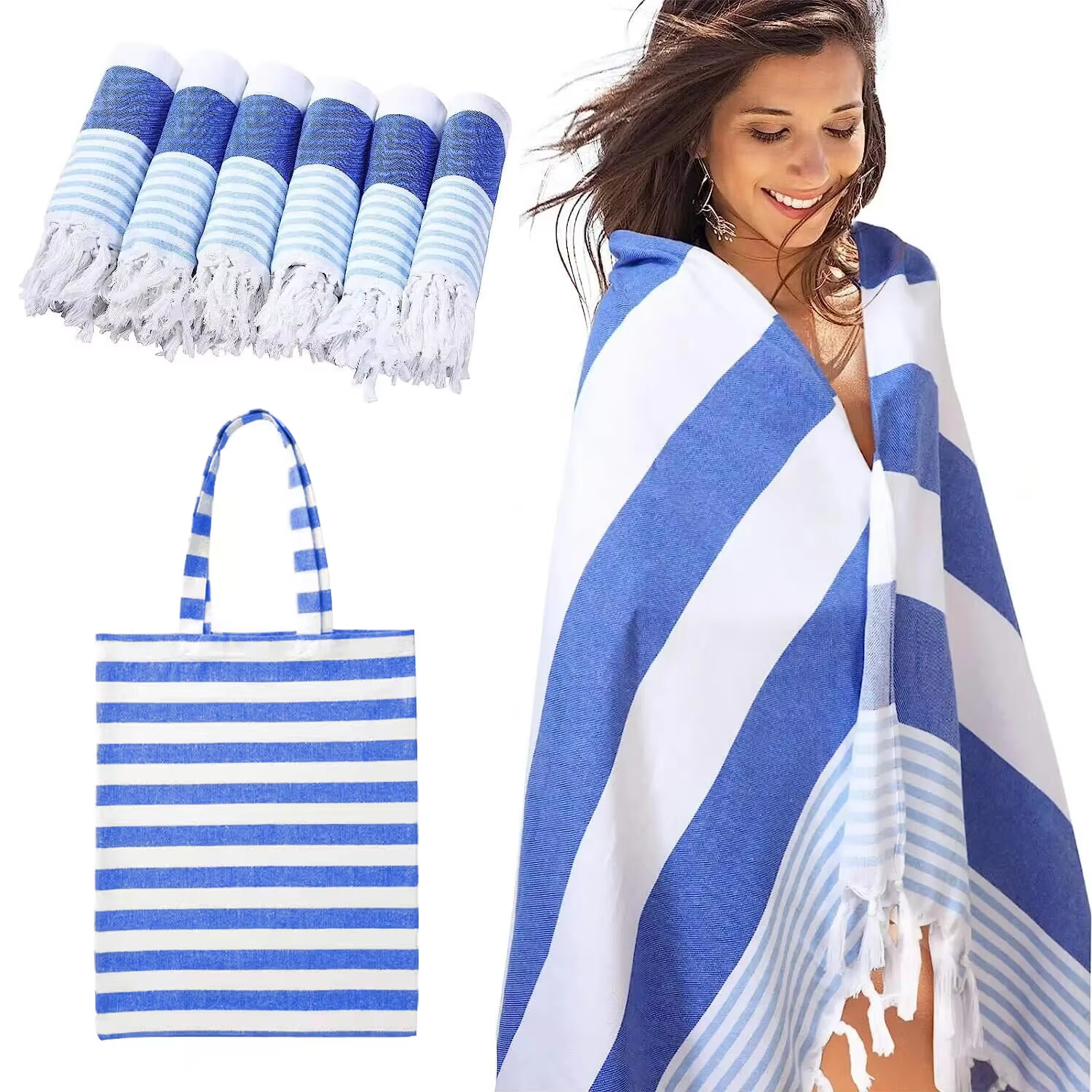
The construction method used in towel manufacturing significantly influences both absorbency and softness characteristics. Terry cloth construction, featuring uncut loops on one or both sides of the fabric, creates maximum surface area for moisture absorption. The height and density of these loops directly correlate with absorbent capacity, with longer loops providing greater moisture-holding capability. Modern manufacturing techniques allow for precise control over loop height and distribution, creating towels optimized for specific use cases while maintaining consistent quality across the entire textile surface.
Zero-twist yarn construction represents an advanced manufacturing technique that maximizes both softness and absorbency. By eliminating or minimizing the twist in the yarns used for loop construction, manufacturers create towels with enhanced fluffiness and improved moisture absorption. The reduced yarn tension allows individual fibers to spread more naturally, creating a larger surface area and more open structure that facilitates rapid moisture uptake. This construction method produces towels that feel exceptionally soft while maintaining the structural integrity necessary for regular use.
Modern weaving technologies enable the creation of complex patterns that optimize moisture distribution and absorption speed. Waffle weave construction creates a three-dimensional surface texture that increases surface area while reducing overall fabric weight. This pattern provides excellent absorbency with faster drying times, making it ideal for humid environments or frequent-use applications. The structured nature of waffle weave also creates natural air circulation channels that enhance the fabric's ability to release moisture during the drying process.
Combination weave patterns integrate different construction methods within a single textile to optimize performance characteristics. For example, combining terry loops for maximum absorbency with flat-woven borders provides structural stability while maintaining core functionality. These hybrid approaches allow manufacturers to fine-tune performance characteristics, creating towels that excel in specific applications while maintaining overall versatility for general household use.
Bamboo-derived textiles have gained significant attention for their unique combination of sustainability and performance characteristics. The rapid growth rate of bamboo plants makes them an environmentally attractive raw material source, while the resulting fibers offer natural antimicrobial properties and excellent moisture management. Bamboo viscose, the most common form used in textile manufacturing, undergoes a regeneration process that maintains many of the plant's beneficial characteristics while creating fibers suitable for high-quality textile production.
The cellular structure of bamboo fibers includes natural gaps and micro-holes that enhance breathability and moisture absorption. These structural characteristics create textiles that feel cool against the skin and manage moisture effectively, making them particularly suitable for bath towels and other close-contact applications. The natural antimicrobial properties of bamboo fibers help prevent odor-causing bacteria growth, extending the fresh feel of towels between wash cycles and making them ideal for humid bathroom environments.
Linen, derived from flax plants, offers unique characteristics that make it suitable for specific towel applications. The long, strong fibers create durable textiles with excellent absorbent properties and natural antimicrobial characteristics. Linen towels become progressively softer with use and washing, developing a distinctive texture that many users find appealing. The natural irregularities in linen fibers create a unique aesthetic that combines functionality with visual appeal, making linen towels popular for both practical use and decorative purposes.
Hemp fibers provide exceptional durability and absorbency while offering sustainable production benefits. The strong, long fibers resist degradation from repeated washing and maintain their structural integrity over extended periods of use. Hemp's natural resistance to mold and mildew makes it particularly suitable for humid environments, while its absorbent properties improve with washing as the fibers soften and open up. Modern processing techniques have eliminated the coarse feel traditionally associated with hemp textiles, creating soft, comfortable towels that retain hemp's natural durability benefits.
Strategic blending of cotton with synthetic fibers creates towels that combine the best characteristics of both material types. Cotton provides natural softness and absorbency, while synthetic components can enhance durability, reduce drying time, and improve shape retention. Typical blend ratios range from 70-80% cotton to 20-30% synthetic, maintaining the natural feel while incorporating performance enhancements. These blends often perform better than pure cotton in commercial applications where frequent washing and heavy use demand enhanced durability.
Microfiber polyester blends with cotton create towels with enhanced moisture-wicking properties and faster drying times. The synthetic component's ability to transport moisture away from the textile surface complements cotton's absorbent capacity, creating a two-stage moisture management system. These blends maintain softness while providing practical benefits such as reduced energy consumption during laundering and decreased mildew risk in humid storage conditions.
Modal fiber, derived from beech trees through an advanced manufacturing process, offers exceptional softness and color retention when blended with cotton. The smooth surface of modal fibers enhances the overall hand feel of towels while maintaining excellent absorbent properties. Modal's resistance to shrinkage and color fading helps maintain towel appearance and performance through numerous wash cycles, making it an valuable component in premium towel blends.
Lyocell, manufactured through a closed-loop process that recycles production solvents, provides environmental benefits along with performance enhancements. When blended with cotton, lyocell contributes moisture management properties and natural antimicrobial characteristics. The fiber's smooth surface and moisture-regulating properties create towels that feel dry to the touch while maintaining high absorbent capacity, making them ideal for luxury applications where both performance and comfort are priorities.
The preparation processes applied to raw fibers before weaving significantly impact the final softness and performance characteristics of towels. Combing processes remove shorter fibers and align longer ones, creating smoother yarns that produce softer textiles. Mercerization, a treatment that involves exposing cotton fibers to sodium hydroxide under tension, increases their luster, strength, and affinity for dyes while enhancing softness. These pre-treatment processes require precise control to achieve optimal results without compromising fiber integrity.
Enzymatic treatments during fiber preparation can selectively modify surface characteristics to enhance softness without affecting core structural properties. Cellulase enzymes, for example, can remove surface irregularities and micro-fibrils that contribute to roughness, creating smoother fiber surfaces that feel softer against skin. These biological treatments offer environmental advantages over traditional chemical processing while achieving superior softness results that improve with subsequent washing cycles.
Post-weaving finishing treatments play a crucial role in optimizing towel softness and performance characteristics. Mechanical finishing processes, such as raising or brushing, can increase surface area and create a softer hand feel by lifting fiber ends and creating a more open textile structure. These treatments must be carefully controlled to enhance softness without compromising durability or creating excessive lint that could affect absorbent performance.
Advanced finishing treatments, including plasma treatments and nano-scale surface modifications, can enhance specific performance characteristics while maintaining natural fiber properties. These high-tech approaches allow manufacturers to fine-tune surface characteristics for optimal moisture management, softness, or antimicrobial properties. The precision of modern finishing technologies enables the creation of towels with carefully balanced performance characteristics that meet specific consumer preferences and use requirements.
Proper washing techniques significantly impact the longevity and performance of high-quality towels. Using appropriate water temperatures, typically warm rather than hot, helps preserve fiber integrity while ensuring effective cleaning. Avoiding overloading washing machines allows towels to move freely, ensuring thorough cleaning and rinsing that removes soap residues that can stiffen fibers and reduce absorbency. The selection of appropriate detergents, particularly those formulated for natural fibers, helps maintain softness while providing effective cleaning.
Fabric softener use requires careful consideration as it can create coating effects that reduce absorbency over time. Alternative approaches, such as adding white vinegar to rinse cycles or using dryer balls, can maintain softness without compromising absorbent performance. Understanding the relationship between cleaning products and textile performance enables users to maintain their cotton bath towel sets in optimal condition throughout their useful life.
Proper drying techniques preserve fiber structure and maintain optimal softness levels. Line drying, while energy-efficient, can sometimes result in stiffer towels due to fiber compression and lack of mechanical agitation. Machine drying at moderate temperatures with adequate air circulation helps maintain fluffiness while preventing over-drying that can damage fibers. The use of dryer balls or clean tennis balls during machine drying provides gentle mechanical action that keeps fibers separated and maintains loft.
Storage practices significantly affect towel condition and performance longevity. Ensuring towels are completely dry before storage prevents mildew growth and odor development. Proper folding techniques that avoid excessive creasing help maintain fiber structure, while adequate ventilation in storage areas prevents moisture accumulation. Rotating towel sets regularly ensures even wear and extends the overall life of the collection while maintaining consistent performance across all pieces.
Cotton's popularity stems from its natural absorbency, softness, and durability. The hollow structure of cotton fibers creates excellent capillary action for moisture absorption, while the natural flexibility of the fibers provides a soft feel against skin. Cotton also improves with washing, becoming softer over time, and can withstand frequent laundering without significant degradation. Premium cotton varieties like Egyptian and Pima offer enhanced versions of these characteristics with longer fibers that create even softer, more durable textiles.
Blended materials can offer advantages in specific performance areas while maintaining much of cotton's natural appeal. Cotton-synthetic blends often provide faster drying times, enhanced durability, and better shape retention, making them practical for heavy-use applications. However, pure cotton typically offers superior absorbency and the classic soft feel that many consumers prefer. The choice between blends and pure cotton depends on individual priorities regarding performance characteristics, maintenance requirements, and personal preference for natural versus engineered materials.
Loss of absorbency typically results from soap residue buildup, fabric softener coating, or mineral deposits from hard water. These substances can coat fiber surfaces and fill the microscopic spaces that create capillary action for moisture absorption. Regular deep cleaning with appropriate products, avoiding excessive fabric softener use, and proper rinsing can help maintain absorbent properties. In some cases, washing towels with white vinegar or baking soda can help remove buildup and restore absorbent performance.
Thread count in towels works differently than in sheet goods because towel construction focuses on loop density and yarn quality rather than tight weaving. Higher quality towels typically feature dense, well-constructed loops made from long-staple cotton yarns rather than simply higher thread counts. The weight of the towel, measured in grams per square meter, often provides a better indication of absorbent capacity and durability than thread count alone. Premium towels balance loop density with proper construction to optimize both absorbency and longevity.
 Hot News
2024-03-08
2024-03-08
2024-03-08
2024-03-08
2024-03-08
 EN
EN
 AR
AR
 NL
NL
 FR
FR
 DE
DE
 IT
IT
 JA
JA
 KO
KO
 PT
PT
 RU
RU
 ES
ES