
Home > Contact Us > News
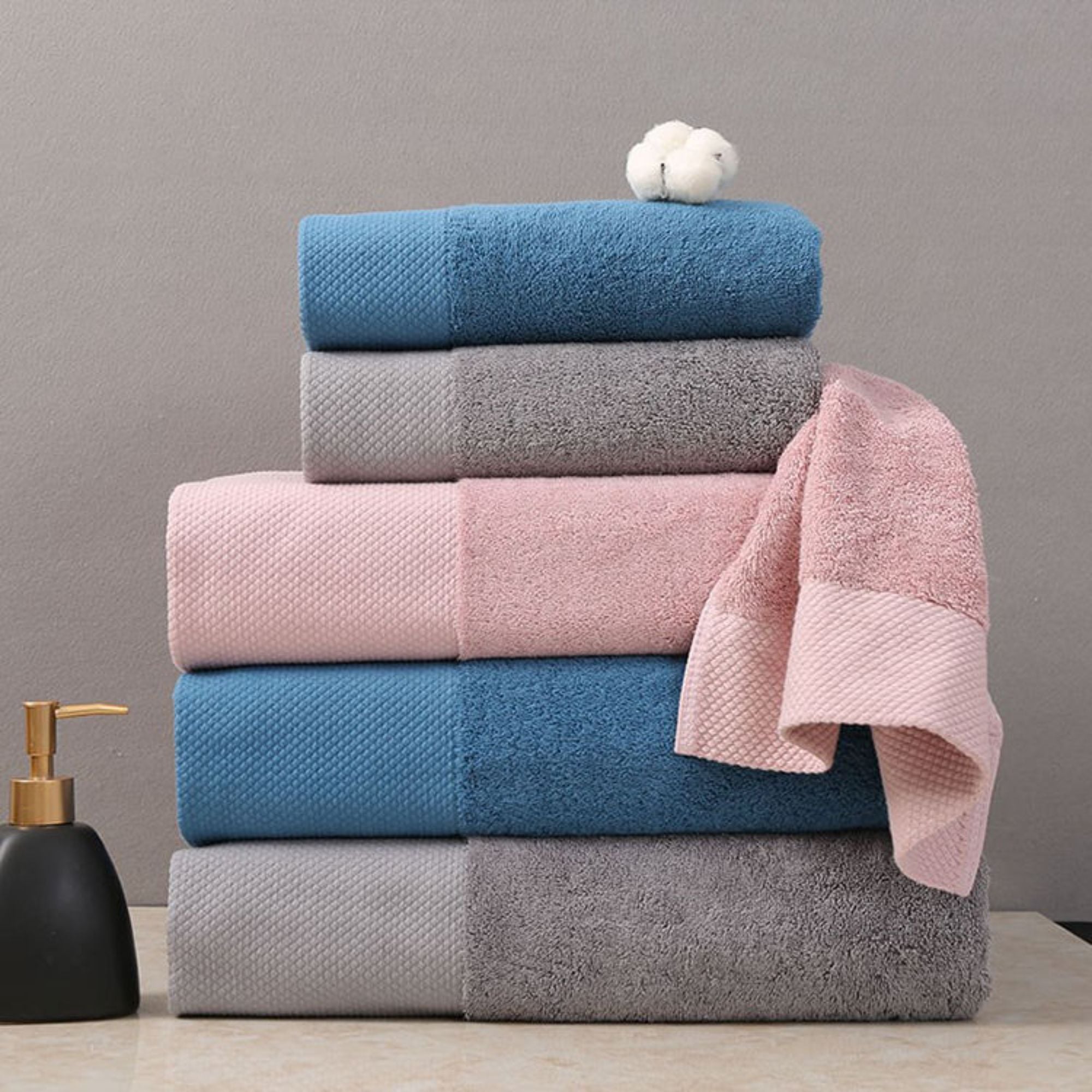
In today's competitive business landscape, companies across various industries are increasingly turning to specialized manufacturing partnerships to enhance their product offerings and streamline operations. Working with an OEM/ODM towel factory has emerged as a strategic approach that provides businesses with numerous advantages, from cost optimization to enhanced product customization capabilities. This manufacturing model allows companies to leverage specialized expertise while maintaining focus on their core business activities and market positioning strategies.
The textile industry has witnessed significant evolution in recent decades, with OEM/ODM towel factory partnerships becoming increasingly sophisticated and specialized. These manufacturing relationships offer businesses the opportunity to access advanced production capabilities, innovative materials, and established supply chains without the substantial investment required to develop in-house manufacturing infrastructure. Companies that choose this approach can rapidly scale their operations while benefiting from the accumulated expertise and technological advancements of established textile manufacturers.
Partnering with an OEM/ODM towel factory eliminates the need for businesses to invest heavily in manufacturing equipment, facility infrastructure, and specialized machinery. This approach allows companies to allocate their financial resources toward product development, marketing initiatives, and market expansion strategies rather than capital-intensive manufacturing operations. The reduced financial burden enables businesses to maintain healthier cash flow positions while still accessing high-quality production capabilities.
Manufacturing facilities specializing in towel production typically require significant investments in weaving equipment, dyeing machinery, finishing systems, and quality control infrastructure. By working with established manufacturers, businesses can access these sophisticated production capabilities without bearing the associated costs and maintenance responsibilities. This financial flexibility proves particularly valuable for emerging brands and companies seeking to test new market segments without substantial upfront commitments.
Established OEM/ODM towel factory operations often serve multiple clients simultaneously, enabling them to achieve substantial economies of scale in raw material procurement, production planning, and operational efficiency. These cost advantages are typically passed along to partner businesses through competitive pricing structures and improved profit margins. The shared production capacity allows smaller companies to benefit from bulk purchasing power and optimized manufacturing processes that would otherwise be unavailable.
Large-scale manufacturing operations can negotiate more favorable terms with suppliers of cotton, synthetic fibers, dyes, and other essential materials. This procurement advantage translates into lower per-unit costs for finished products, enabling businesses to offer competitive pricing in their target markets while maintaining healthy profit margins. The efficiency gains from specialized equipment utilization and streamlined production workflows further contribute to overall cost optimization.
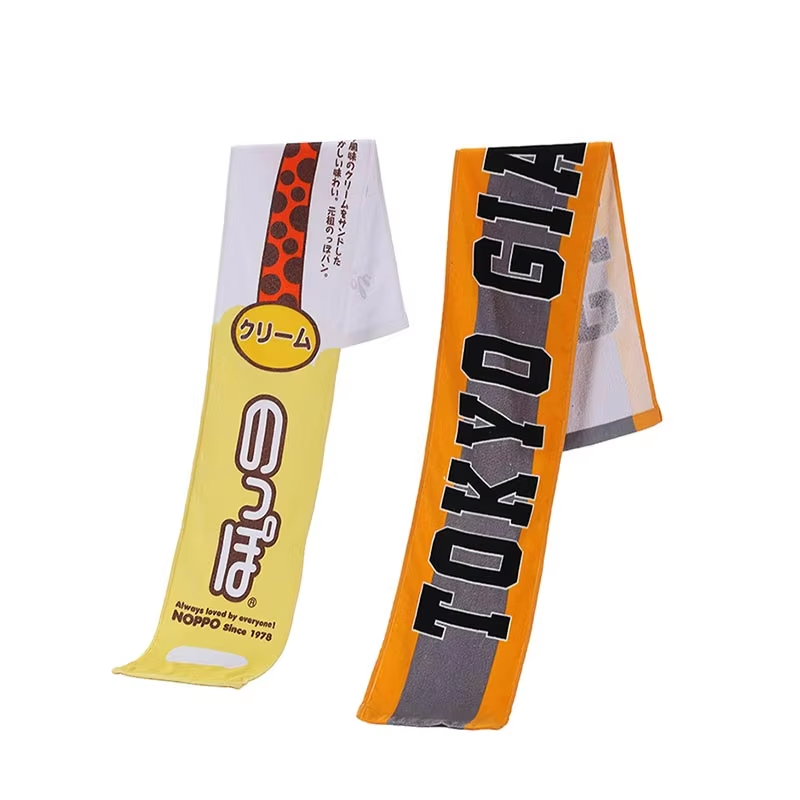
Working with an experienced OEM/ODM towel factory provides access to sophisticated product development resources, including design teams, material specialists, and prototype development capabilities. These manufacturers typically maintain extensive libraries of fabric options, color possibilities, and finishing techniques that enable comprehensive customization according to specific brand requirements and market preferences. The collaborative development process ensures that final products meet exact specifications while incorporating industry best practices.
Professional design teams within these manufacturing facilities understand current market trends, consumer preferences, and technical requirements for various towel applications. This expertise enables businesses to develop products that not only meet their brand aesthetic but also perform optimally in their intended use cases. The integration of market knowledge with technical manufacturing capability results in products that successfully balance form, function, and commercial viability.
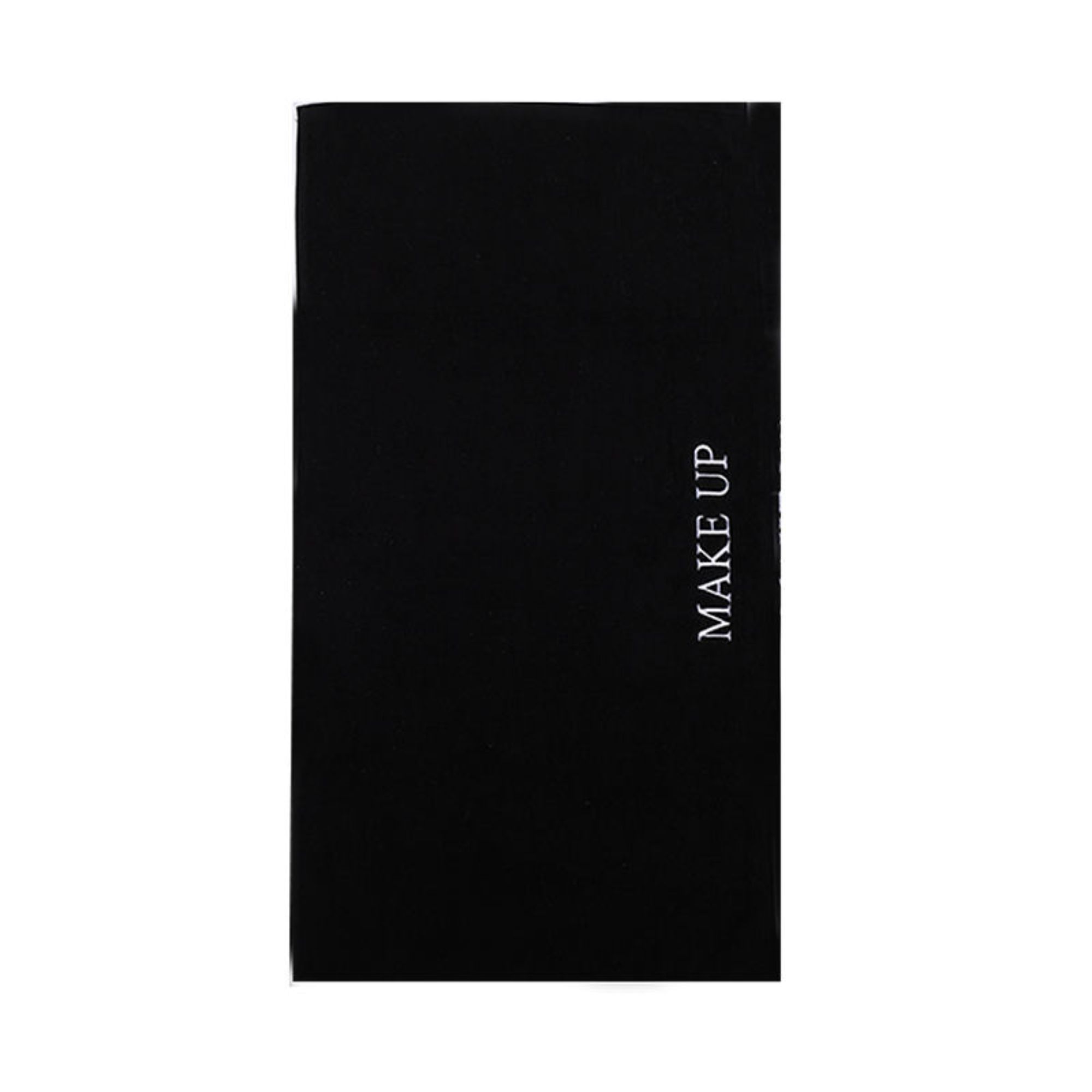
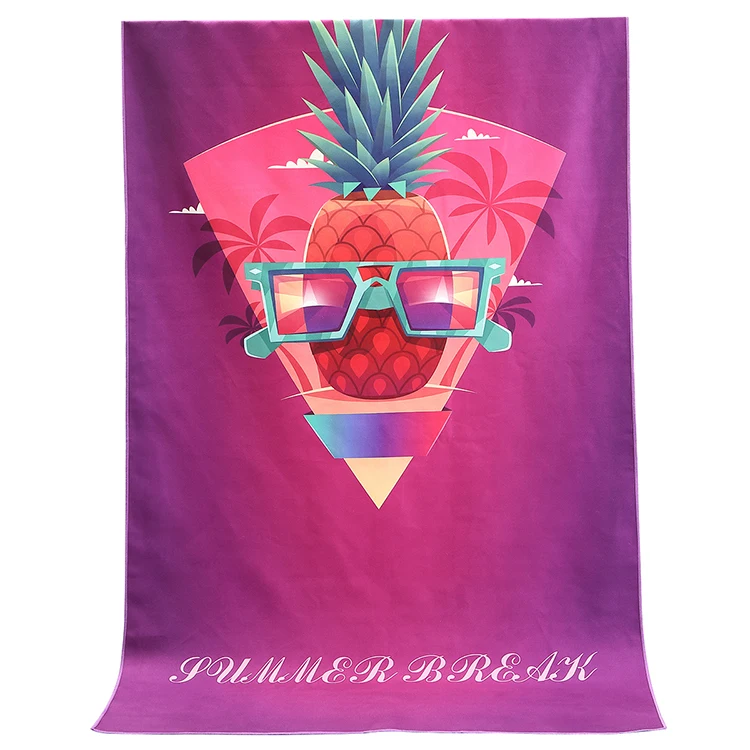
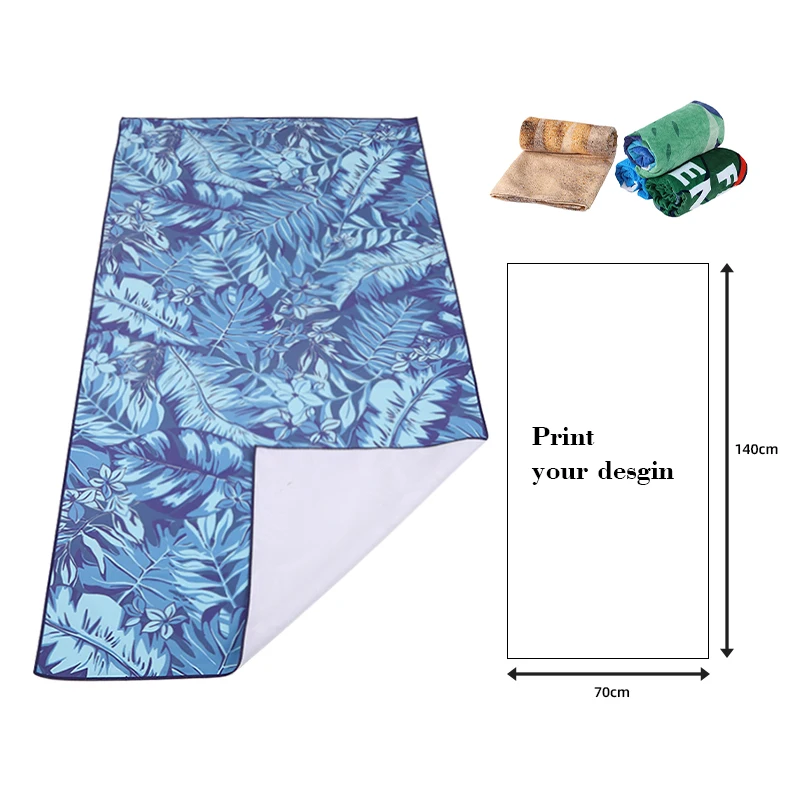
Modern OEM/ODM towel factory operations offer comprehensive branding services, including logo embroidery, custom weaving patterns, unique color combinations, and specialized packaging solutions. These capabilities enable businesses to create distinctive products that effectively communicate their brand identity and differentiate themselves in competitive markets. The manufacturing flexibility supports both subtle branding approaches and bold, prominent brand presentations depending on marketing strategies.
Advanced printing and embroidering technologies allow for precise reproduction of complex logos, intricate patterns, and detailed designs that enhance brand recognition and perceived product value. Quality control systems ensure consistent brand representation across production runs, maintaining the visual standards essential for building customer trust and loyalty. This attention to branding details supports premium positioning strategies and enables businesses to command higher price points in their market segments.
Reputable OEM/ODM towel factory operations maintain comprehensive quality assurance programs that encompass raw material inspection, production monitoring, and finished product testing. These systematic approaches ensure consistent quality standards across all production batches while minimizing defect rates and customer complaints. The established quality frameworks provide businesses with confidence in product reliability and performance characteristics.
Quality control protocols typically include testing for absorbency, colorfastness, dimensional stability, and durability to ensure that finished towels meet or exceed industry standards and customer expectations. Advanced testing equipment and trained quality technicians monitor production processes continuously, identifying and addressing potential issues before they impact final product quality. This proactive approach reduces the risk of quality-related problems that could damage brand reputation or result in costly product recalls.
Leading OEM/ODM towel factory partners actively invest in research and development initiatives, exploring new fiber technologies, sustainable materials, and innovative production techniques. This ongoing innovation provides partner businesses with access to cutting-edge materials and manufacturing processes that can enhance product performance and appeal to environmentally conscious consumers. The collaborative relationship enables businesses to incorporate these advancements into their product lines without conducting independent research and development efforts.
Sustainability initiatives within modern towel manufacturing include organic cotton sourcing, water-efficient production processes, and eco-friendly dyeing techniques that reduce environmental impact while maintaining product quality. These environmental considerations increasingly influence consumer purchasing decisions, making access to sustainable manufacturing capabilities a significant competitive advantage for brands targeting environmentally conscious market segments.
Experienced OEM/ODM towel factory operations maintain sophisticated production planning systems that optimize manufacturing schedules, resource allocation, and delivery timelines. These systems enable efficient coordination of multiple product lines and client requirements while maintaining consistent quality standards and meeting delivery commitments. The professional production management capabilities reduce the complexity of supply chain coordination for partner businesses.
Advanced planning systems incorporate demand forecasting, capacity optimization, and inventory management functions that ensure smooth production flows and minimize delays. The integration of these operational elements provides businesses with reliable delivery schedules that support their sales commitments and inventory management strategies. This operational reliability proves essential for businesses serving retail clients or maintaining direct-to-consumer sales channels.
Established OEM/ODM towel factory partners typically maintain international shipping capabilities, export documentation expertise, and compliance knowledge that facilitates global market expansion for their clients. These logistical capabilities enable businesses to serve international markets without developing independent export operations or navigating complex international trade requirements. The manufacturing partner's experience with global shipping and customs procedures streamlines the process of reaching new geographic markets.
International shipping expertise includes understanding of packaging requirements, documentation preparation, and regulatory compliance for various destination markets. This knowledge helps businesses avoid costly delays, customs issues, or regulatory violations that could impact their international expansion efforts. The established shipping relationships maintained by manufacturing partners often provide access to preferential shipping rates and reliable delivery services.
Working with an OEM/ODM towel factory distributes production risks across multiple stakeholders, reducing the individual business exposure to manufacturing disruptions, equipment failures, or supply chain interruptions. This risk sharing arrangement provides greater business continuity assurance compared to maintaining independent manufacturing operations. The manufacturing partner's experience with risk management and contingency planning contributes to overall operational stability.
Manufacturing facilities typically maintain backup systems, alternative supplier relationships, and contingency procedures that minimize the impact of potential disruptions on client operations. These risk mitigation measures provide businesses with confidence in their ability to maintain consistent product availability and meet customer commitments even during challenging operational conditions. The shared responsibility for production continuity reduces the stress and resource requirements associated with independent manufacturing operations.
Established OEM/ODM towel factory operations maintain current knowledge of industry regulations, safety standards, and certification requirements that apply to textile products in various markets. This regulatory expertise ensures that manufactured products comply with applicable standards and requirements, reducing the risk of compliance violations or market access restrictions. The manufacturing partner's compliance infrastructure supports businesses in meeting their regulatory obligations without developing independent compliance capabilities.
Compliance support includes understanding of labeling requirements, safety testing protocols, and certification procedures for different market jurisdictions. This knowledge helps businesses navigate complex regulatory environments while ensuring that their products meet all applicable requirements for their target markets. The manufacturing partner's established relationships with testing laboratories and certification bodies can expedite the compliance process and reduce associated costs.
Businesses should evaluate potential manufacturing partners based on production capacity, quality control systems, customization capabilities, pricing structure, and delivery reliability. Additional considerations include the manufacturer's experience with similar products, compliance certifications, sustainability practices, and communication effectiveness. Site visits and sample evaluations provide valuable insights into manufacturing capabilities and quality standards.
Minimum order quantities vary significantly among manufacturers and depend on factors such as product complexity, customization requirements, and production scheduling considerations. Many OEM/ODM towel factory operations offer flexible minimum orders for established clients or simple products, while complex customizations may require larger minimum quantities to justify setup costs and ensure production efficiency.
Product development timelines typically range from 2-6 weeks depending on customization complexity and approval processes, while production lead times usually span 3-8 weeks based on order quantity and manufacturing schedule. Rush orders may be accommodated with additional costs, and established relationships often enable shorter lead times through improved communication and prioritized scheduling.
Intellectual property arrangements should be clearly defined in manufacturing agreements, typically protecting the client's designs, specifications, and proprietary information while allowing the manufacturer to use their production expertise and processes. Non-disclosure agreements and exclusivity clauses may be negotiated to protect sensitive information and prevent unauthorized production of proprietary designs for competitors.
 Hot News
2024-03-08
2024-03-08
2024-03-08
2024-03-08
2024-03-08
 EN
EN
 AR
AR
 NL
NL
 FR
FR
 DE
DE
 IT
IT
 JA
JA
 KO
KO
 PT
PT
 RU
RU
 ES
ES