
Home > Contact Us > News
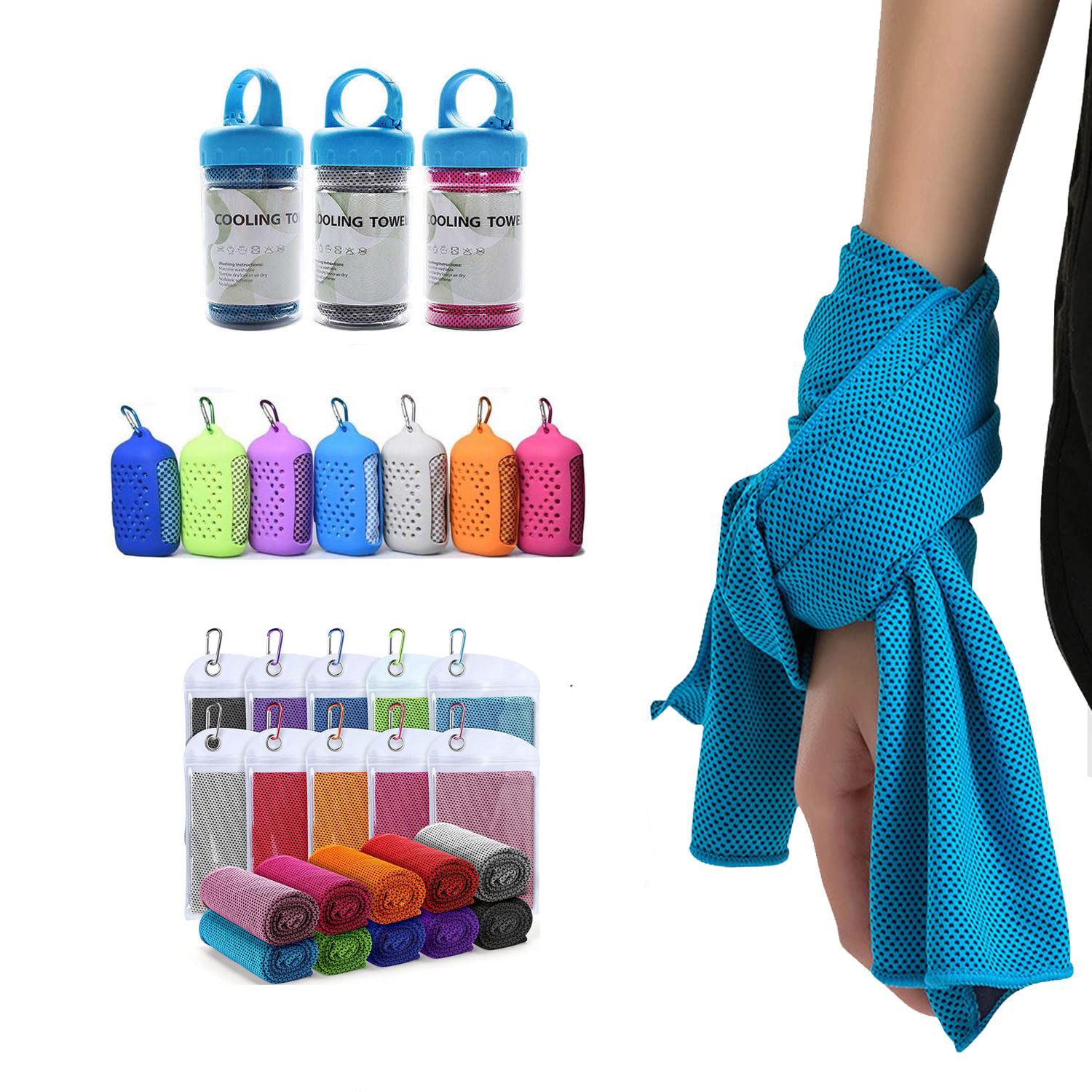
Athletes competing in extreme heat face significant challenges in maintaining optimal performance and preventing heat-related injuries. As temperatures soar during summer competitions and training sessions, the human body struggles to regulate its core temperature, leading to decreased endurance, impaired concentration, and potentially dangerous health complications. A cooling towel has emerged as one of the most effective and practical solutions for athletes seeking immediate relief from oppressive heat conditions. This innovative sports accessory utilizes advanced cooling technology to provide sustained temperature reduction, helping athletes maintain their competitive edge while prioritizing safety and comfort.
When athletes exercise in extreme heat, their bodies undergo significant physiological stress that directly impacts performance outcomes. Core body temperature regulation becomes the primary concern as the cardiovascular system diverts blood flow to the skin surface for cooling purposes. This redirection reduces blood supply to working muscles, resulting in decreased oxygen delivery and impaired athletic performance. The cooling towel serves as an external aid that helps the body maintain thermal equilibrium without compromising internal resources.
Heat stress also affects cognitive function, reaction time, and decision-making abilities crucial for competitive sports. Athletes experiencing elevated core temperatures often report decreased concentration, slower reflexes, and impaired strategic thinking during competition. Research demonstrates that even moderate increases in core temperature can reduce endurance capacity by up to twenty percent, making temperature management essential for maintaining peak athletic performance.
Early recognition of heat stress symptoms enables athletes to implement cooling strategies before performance degradation occurs. Initial warning signs include excessive sweating, elevated heart rate, muscle cramping, and feelings of fatigue that seem disproportionate to exercise intensity. Athletes may also experience headaches, nausea, dizziness, and decreased coordination as core temperature continues to rise beyond safe thresholds.
Advanced heat stress symptoms require immediate intervention and cooling measures to prevent serious medical complications. These include confusion, irritability, decreased sweating despite continued heat exposure, and rapid breathing patterns. A cooling towel provides immediate relief for athletes experiencing these symptoms, offering a portable and effective solution for rapid temperature reduction in emergency situations.
The primary cooling mechanism employed by high-quality cooling towels relies on enhanced evaporation principles that exceed natural perspiration cooling effects. These specialized textiles contain microfibers engineered to retain significant water quantities while maintaining breathability for optimal evaporation rates. When activated with water, the cooling towel creates a sustained cooling effect that can last several hours, providing consistent temperature relief throughout extended training sessions or competitions.
Advanced fabric technologies incorporate polymer crystals and specialized weaving techniques that maximize surface area contact with skin while promoting efficient heat transfer. The cooling towel maintains temperatures several degrees below ambient air temperature through continuous evaporation, creating a microclimate of comfort around the athlete. This technology proves particularly effective in hot, dry climates where natural evaporation occurs rapidly, enhancing the cooling effect duration.
Modern cooling towels utilize synthetic materials specifically designed for athletic applications, incorporating antimicrobial treatments and quick-drying properties essential for sports environments. These materials resist bacterial growth and odor development, ensuring hygiene standards during repeated use throughout training cycles. The lightweight construction ensures minimal burden on athletes while providing maximum cooling efficiency across various sporting disciplines.
Durability considerations drive material selection for cooling towel manufacturing, with reinforced edges and fade-resistant fabrics withstanding frequent washing and intense athletic use. Advanced moisture-wicking properties complement the cooling function by removing excess perspiration from skin surfaces, preventing the accumulation of heat-trapping moisture during physical activity. These performance features make cooling towels essential equipment for serious athletes competing in challenging thermal conditions.
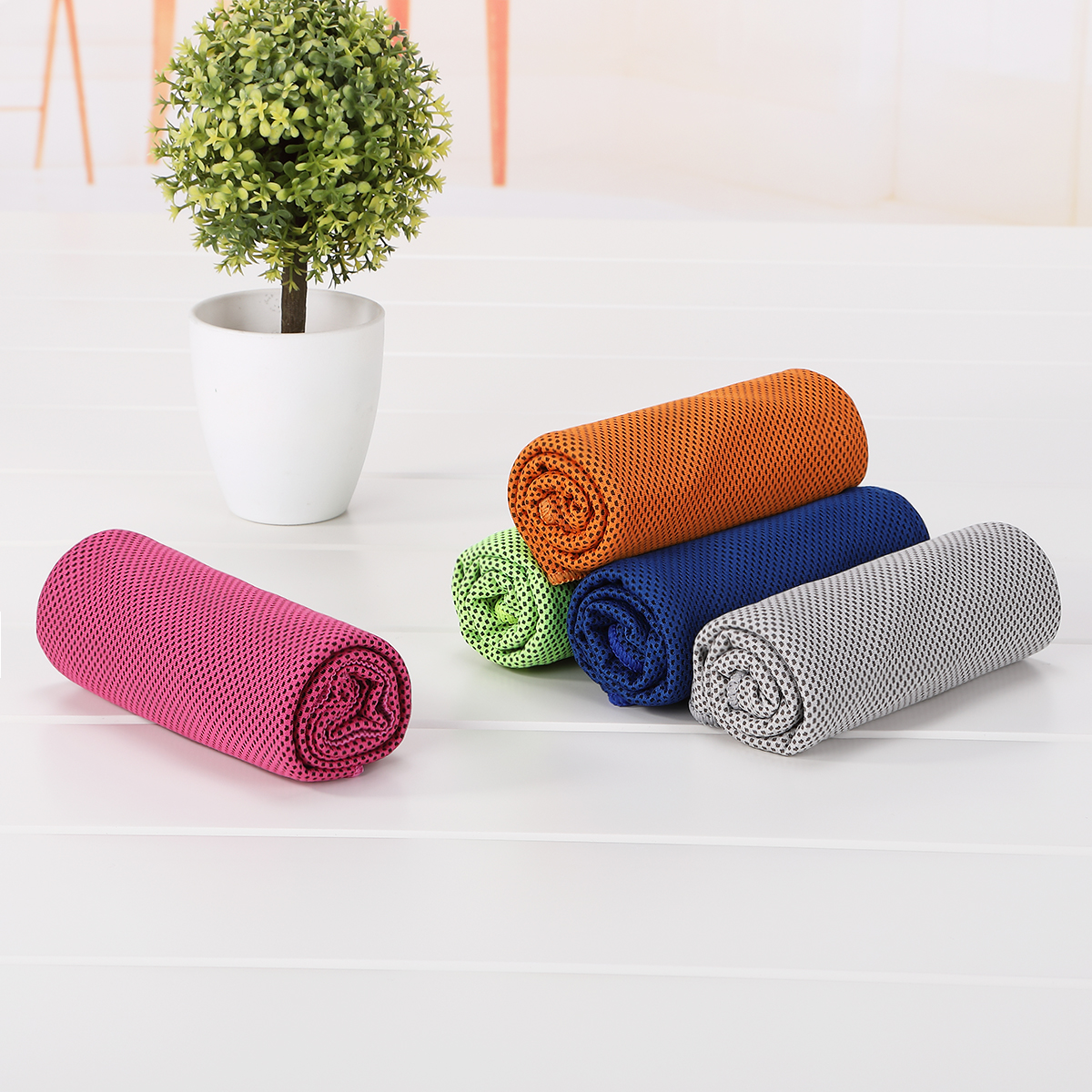
Effective pre-competition cooling strategies can significantly impact athletic performance by reducing core body temperature before heat stress occurs. Athletes should activate their cooling towel approximately fifteen minutes before competition begins, allowing the evaporation process to establish sustained cooling effects. Strategic placement on pulse points such as the neck, wrists, and temples maximizes heat transfer efficiency by targeting areas with high blood flow near the skin surface.
The cooling towel should be thoroughly soaked with cool water and wrung out to remove excess moisture while maintaining optimal saturation levels for evaporation. Athletes can enhance the pre-cooling effect by storing the towel in a cooler or refrigerator before activation, providing additional initial temperature reduction. This preparation routine helps establish lower baseline core temperatures, giving athletes a thermal advantage before exposure to extreme heat conditions during competition.
During competition breaks, athletes can quickly reactivate their cooling towel to maintain thermal comfort and prevent progressive heat accumulation. Brief applications to the back of the neck and forehead provide rapid cooling relief that can restore mental clarity and physical performance capacity. The cooling towel design allows for quick deployment without disrupting competition flow or requiring extensive preparation time.
Strategic timing of cooling towel application during natural breaks in competition maximizes benefit while complying with sport-specific regulations and time constraints. Athletes should focus on major pulse points and large muscle groups that generate significant heat during activity. The portable nature of the cooling towel enables discrete use during timeouts, between sets, or during equipment changes without drawing attention or violating competition protocols.
Endurance athletes participating in marathons, cycling events, and triathlon competitions derive substantial benefits from incorporating cooling towels into their temperature management strategies. These athletes face prolonged exposure to heat stress that can severely impact performance outcomes if left unmanaged. The cooling towel provides sustained relief that helps maintain target heart rates within optimal training zones rather than elevated stress responses to thermal challenges.
Distance runners particularly benefit from cooling towel applications at aid stations and support points throughout race courses. The immediate temperature reduction helps prevent the progressive heat accumulation that typically leads to performance degradation in later race stages. Cyclists can utilize cooling towels during rest periods and mechanical stops, taking advantage of brief opportunities to reduce core temperature before continuing intense physical activity under challenging thermal conditions.
Team sports present unique challenges for heat management due to continuous play requirements and limited substitution opportunities in many disciplines. Soccer, football, and field hockey players benefit significantly from cooling towel applications during halftime breaks and injury timeouts. The rapid cooling effect helps restore mental acuity and physical performance capacity for second-half competition when heat stress typically peaks.
Coaching staff can implement systematic cooling protocols using multiple cooling towels to ensure all players receive adequate temperature relief during available breaks. The lightweight and compact nature of these cooling tools allows for easy transportation and storage on sidelines without requiring significant equipment space. Team managers often find that providing each athlete with a personal cooling towel improves overall team performance and reduces heat-related medical incidents during competitions.
Extensive scientific research validates the effectiveness of cooling towels in reducing core body temperature and improving athletic performance under heat stress conditions. Studies conducted at major sports medicine institutions demonstrate significant improvements in endurance capacity, reaction time, and cognitive function when athletes utilize appropriate cooling strategies. The cooling towel consistently produces measurable temperature reductions that translate into meaningful performance benefits across various sporting disciplines.
Research data indicates that athletes using cooling towels maintain performance levels up to fifteen percent higher than control groups during extended heat exposure scenarios. Core temperature measurements show sustained reductions averaging two to four degrees Fahrenheit when cooling towels are properly utilized according to recommended protocols. These findings provide strong scientific support for incorporating cooling towels into comprehensive heat management strategies for competitive athletes.
Standardized testing protocols evaluate cooling towel effectiveness through multiple performance indicators including core temperature monitoring, heart rate variability analysis, and perceived exertion ratings. Athletes demonstrate improved time-to-exhaustion metrics and maintained power output levels when utilizing cooling towels during controlled laboratory testing scenarios. These objective measurements confirm subjective reports of improved comfort and performance capacity during extreme heat exposure.
Field testing results consistently show reduced medical incidents and improved completion rates in events where cooling towel use is encouraged or mandated by competition organizers. Heat-related emergency responses decrease significantly when adequate cooling resources are available to participating athletes. The cooling towel proves particularly effective in preventing progression from heat exhaustion to more serious heat stroke conditions that require immediate medical intervention.
Maintaining hygiene standards for cooling towels requires systematic cleaning procedures that preserve cooling effectiveness while preventing bacterial growth and odor development. Athletes should rinse their cooling towel thoroughly with clean water after each use, removing accumulated salts, dirt, and perspiration that can impair cooling performance. Regular washing with mild detergent maintains fabric integrity and antimicrobial properties essential for safe repeated use.
Deep cleaning procedures should be performed weekly during active training periods, utilizing warm water and appropriate detergents that do not damage specialized cooling fibers. Avoid fabric softeners and bleaching agents that can compromise the evaporative properties essential for cooling towel function. Air drying is recommended to prevent heat damage from mechanical dryers while ensuring complete moisture removal before storage.
Proper storage techniques significantly impact cooling towel longevity and performance consistency over extended use periods. Clean, dry towels should be stored in breathable containers or mesh bags that prevent moisture accumulation while allowing air circulation. Avoid storage in airtight containers or plastic bags that can promote bacterial growth and fabric degradation during dormant periods.
Athletes should inspect their cooling towel regularly for signs of wear, including fabric thinning, edge fraying, or reduced cooling effectiveness that indicates replacement needs. Quality cooling towels typically maintain peak performance for six to twelve months of regular athletic use when properly maintained. Rotating between multiple towels during intensive training periods helps extend individual towel lifespan while ensuring consistent cooling availability for all training sessions.
A properly activated cooling towel typically maintains its cooling effect for two to four hours depending on ambient temperature, humidity levels, and usage intensity. In hot, dry conditions, the cooling towel may require reactivation more frequently as evaporation occurs more rapidly. Athletes can extend effectiveness by periodically rewetting the towel with cool water and wringing out excess moisture to restart the evaporation cooling process.
While cooling towels remain functional in high humidity conditions, their effectiveness diminishes due to reduced evaporation rates in moisture-saturated air. Athletes competing in humid environments should expect shorter cooling durations and may need to reactivate their cooling towel more frequently. Pre-cooling the towel in refrigerated conditions before use can provide additional initial cooling benefit that partially compensates for reduced evaporative effectiveness in humid climates.
Cooling towels are generally safe for all athletes when used according to manufacturer guidelines, with no significant safety risks associated with normal use. Athletes with sensitive skin should test the cooling towel on a small area before extended use to ensure no allergic reactions occur. Avoid using cooling towels that have been stored in unsanitary conditions or show signs of mold or bacterial contamination that could cause skin irritation or infection.
Selecting an appropriate cooling towel depends on sport-specific requirements including size constraints, durability needs, and cooling duration expectations. Endurance athletes may prefer larger towels that provide extended cooling coverage, while team sport athletes might choose compact designs for portability during competition. Consider fabric quality, antimicrobial treatments, and manufacturer reputation when making selection decisions to ensure optimal performance and longevity for your specific athletic applications.
 Hot News
2024-03-08
2024-03-08
2024-03-08
2024-03-08
2024-03-08
 EN
EN
 AR
AR
 NL
NL
 FR
FR
 DE
DE
 IT
IT
 JA
JA
 KO
KO
 PT
PT
 RU
RU
 ES
ES