
Home > Contact Us > News
The evolution of athletic performance has always been driven by innovation in equipment and accessories. One category that has quietly revolutionized the way athletes train, compete, and recover is the modern sport towel. What was once considered a simple fabric necessity has transformed into a specialized product engineered to meet the demanding needs of multiple sports disciplines. Today, a sport towel is no longer optional but fundamental to athletic performance, hygiene, and comfort across virtually every competitive and recreational sporting environment.
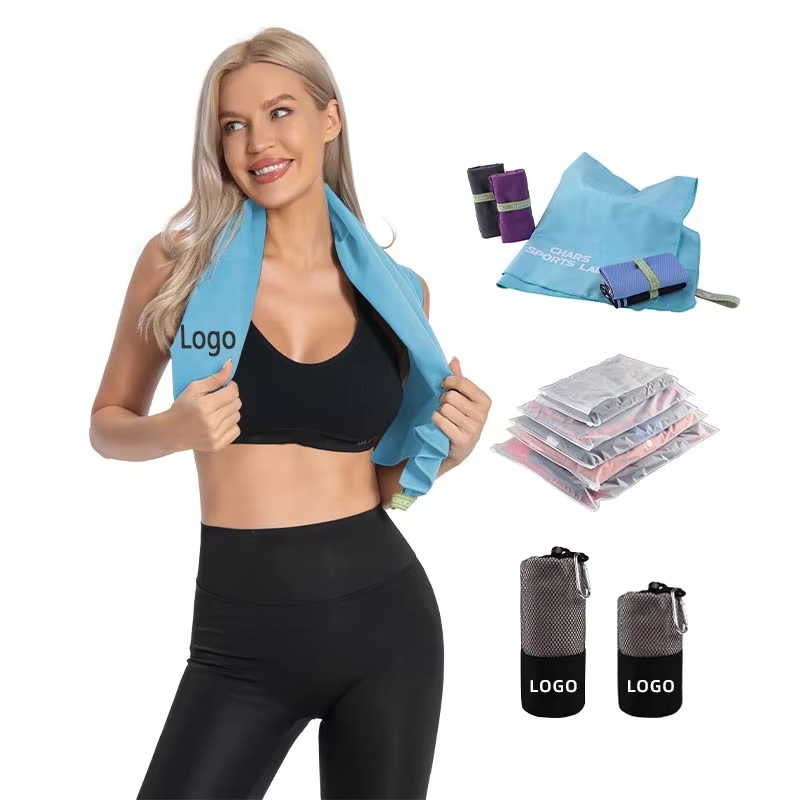
The rising prevalence of sport towel adoption reflects a fundamental shift in how athletes approach their training regimens and competitive strategies. Whether in gymnastics, swimming, football, basketball, tennis, or yoga, the sport towel has become an indispensable accessory that directly impacts performance outcomes, moisture management, and athlete confidence. Understanding why this simple product has become so essential requires examining the convergence of material science, athletic demands, and practical functionality that modern sports environments demand.
Athletes generate significant moisture through perspiration during competition and training. A high-quality sport towel addresses this challenge with advanced moisture-wicking capabilities that traditional towels cannot provide. The sport towel design typically incorporates microfiber technology, which absorbs moisture up to seven times faster than conventional cotton fabrics. This enhanced absorption prevents sweat accumulation on the body and equipment, maintaining grip strength, visibility, and comfort throughout training sessions or competitive events.
Moisture management directly influences athletic performance metrics. When sweat interferes with grip in tennis, climbing, or gymnastics, or when visibility is compromised in water sports, a reliable sport towel becomes performance-critical rather than merely convenient. The sport towel's superior absorption capacity ensures athletes maintain optimal conditions during their most demanding physical exertion periods, reducing distractions and allowing focus to remain on execution.
A defining characteristic of the modern sport towel is its rapid drying capability. Unlike traditional towels that remain damp for extended periods, quality sport towel products dry significantly faster due to their advanced fabric composition. This rapid drying feature is particularly valuable for multi-sport athletes, training facility users, and professional competitors who transition between sessions throughout the day. The sport towel can be ready for the next activity within hours rather than requiring overnight drying periods.
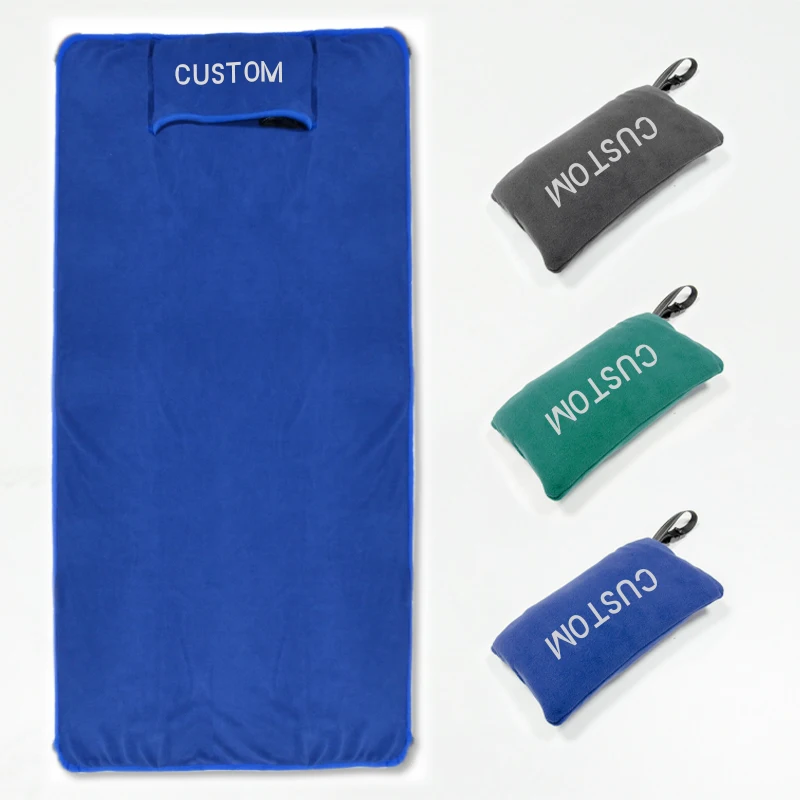
Portability has become equally important in athletic training environments. The sport towel is engineered to be lightweight and compact, often featuring elastic band attachments or specialized folding designs that allow athletes to carry them conveniently in gym bags, equipment bags, or even secured to water bottles. This portability means athletes can maintain consistent hygiene and performance standards regardless of training location, whether at home, professional facilities, or traveling to competitions.
Investment in a sport towel represents a long-term commitment to consistent athletic performance. Unlike basic cotton towels that degrade rapidly with frequent washing and intensive use, premium sport towel materials maintain their structural integrity and functional properties through hundreds of wash cycles. The sport towel's synthetic fiber construction resists pilling, color fading, and performance degradation that compromise traditional fabrics within weeks of intensive athletic use.
Professional athletes and training facilities recognize that a sport towel's durability translates directly to cost efficiency. While initial purchase price may exceed conventional towels, the extended lifespan and maintained performance characteristics throughout the product's life cycle make the sport towel more economical. Facilities managing multiple athletes appreciate that a sport towel withstands the rigorous laundry protocols, chemical treatments, and frequent usage patterns inherent in competitive sports environments without requiring replacement.
Modern sport towel products increasingly incorporate antimicrobial treatments that inhibit bacterial and fungal growth. This advancement addresses critical hygiene concerns in shared athletic facilities, team environments, and training centers where multiple athletes use equipment and facilities in succession. The sport towel's built-in antimicrobial properties reduce odor development and mitigate infection transmission risks that pose challenges in high-humidity, high-intensity environments.
The hygiene advantage of antimicrobial sport towel treatment extends beyond individual athlete benefit to facility management and team health protocols. Training facilities can confidently share sport towel inventory among team members when antimicrobial protection is present, reducing the inventory demands and laundry burdens associated with traditional towel management. This collective hygiene benefit makes the sport towel an increasingly standard requirement in professional, collegiate, and competitive recreational sports programs.
The remarkable adoption of sport towel products across multiple sports disciplines demonstrates their fundamental versatility. In water sports such as swimming and surfing, the sport towel efficiently removes excess water while remaining compact enough for transport. In racquet sports, the sport towel provides grip management and sweat control between points. For endurance athletes in running or cycling, the sport towel manages cooling and moisture during extended training. This cross-disciplinary functionality distinguishes the sport towel from specialized, sport-specific equipment.
Team environments particularly benefit from sport towel versatility. When a single product meets performance requirements across different athletes and activities within a training facility, procurement becomes simplified, storage becomes more efficient, and inventory management becomes more streamlined. The sport towel's ability to serve basketball players, volleyball athletes, trainers, and support staff with equal effectiveness makes it a practical standardized tool in multi-sport facilities.
The sport towel has become integral to both performance training and athletic recovery protocols. During training, it manages moisture and maintains equipment functionality. During recovery phases, the sport towel supports cooling protocols, facilitates post-workout hygiene practices, and contributes to injury prevention routines. Physical therapists and sports medicine professionals increasingly recommend quality sport towel products as part of comprehensive athlete care programs that address performance, safety, and long-term athletic development.
Recovery centers, spas, and rehabilitation facilities now stock premium sport towel products because of their support for cold therapy applications, post-activity moisture management, and the psychological comfort that quality equipment provides during recovery phases. The sport towel bridges the transition between intense training and active recovery, making it essential across the complete athletic timeline rather than just during competition.
A sport towel is engineered with specialized materials, typically microfiber synthetics, that absorb moisture significantly faster than conventional cotton towels. Sport towel products feature enhanced moisture-wicking properties, rapid drying capabilities, lightweight designs, and often include antimicrobial treatments. Regular bath towels lack these performance-focused features and are not designed to withstand the intensity of athletic use or maintain functionality through frequent washing in athletic facility environments.
Antimicrobial treatment in sport towel products inhibits bacterial and fungal growth that thrives in the warm, moist conditions created by sweat and moisture. This protection reduces odor development, prevents infection transmission in shared facility environments, and extends the time between washing requirements. For team facilities and shared training spaces, this treatment makes the sport towel more hygienic and more practical for inventory management and facility maintenance.
Yes, the sport towel represents superior long-term value despite higher initial cost. A quality sport towel maintains performance and structural integrity through hundreds of wash cycles, significantly outlasting traditional towels in athletic environments. The enhanced moisture control, rapid drying, and durability of sport towel products reduce replacement frequency and provide superior functional benefits during training and competition, making the investment cost-effective for serious athletes and sports facilities.
 Hot News
2024-03-08
2024-03-08
2024-03-08
2024-03-08
2024-03-08
 EN
EN
 AR
AR
 NL
NL
 FR
FR
 DE
DE
 IT
IT
 JA
JA
 KO
KO
 PT
PT
 RU
RU
 ES
ES