
Home > Contact Us > News
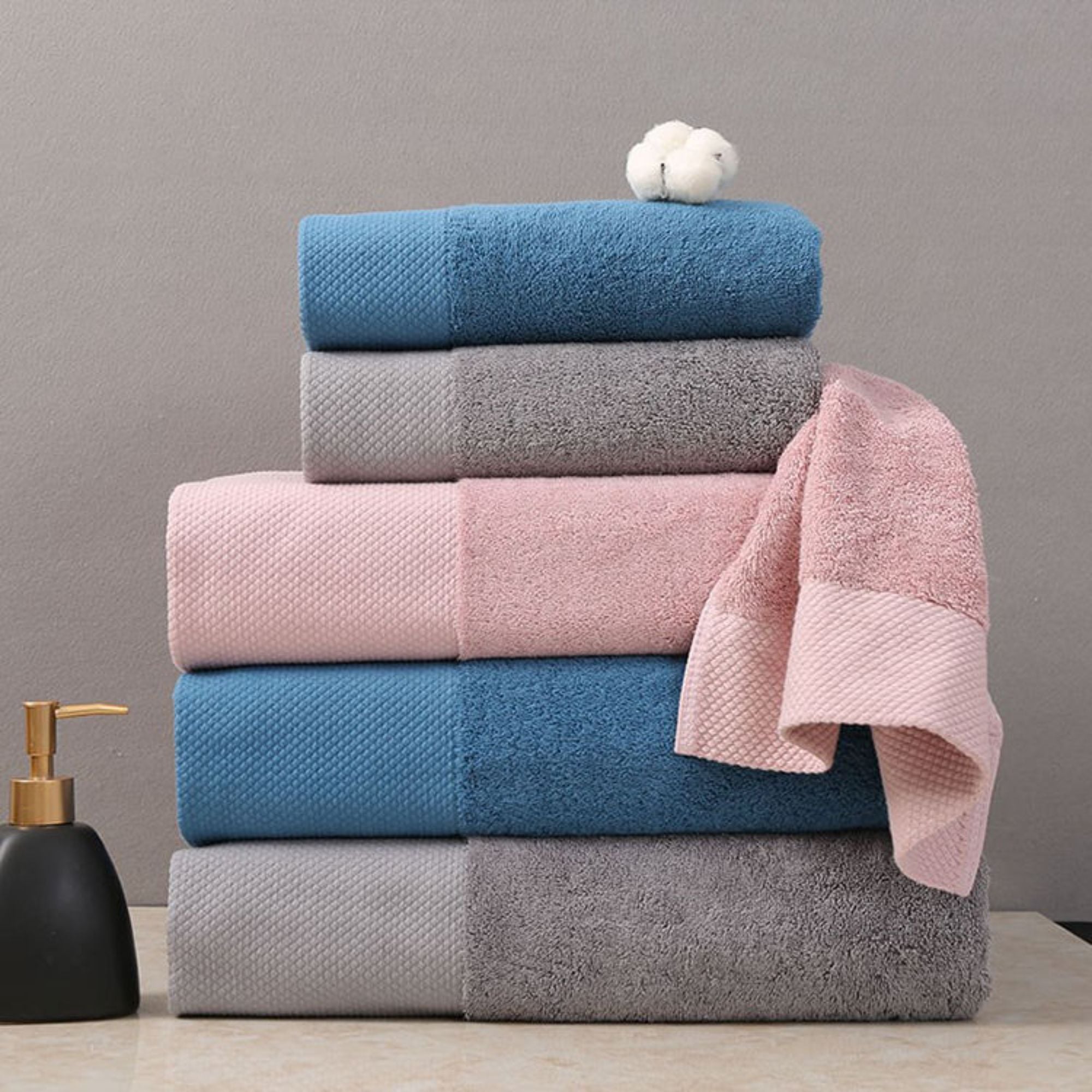
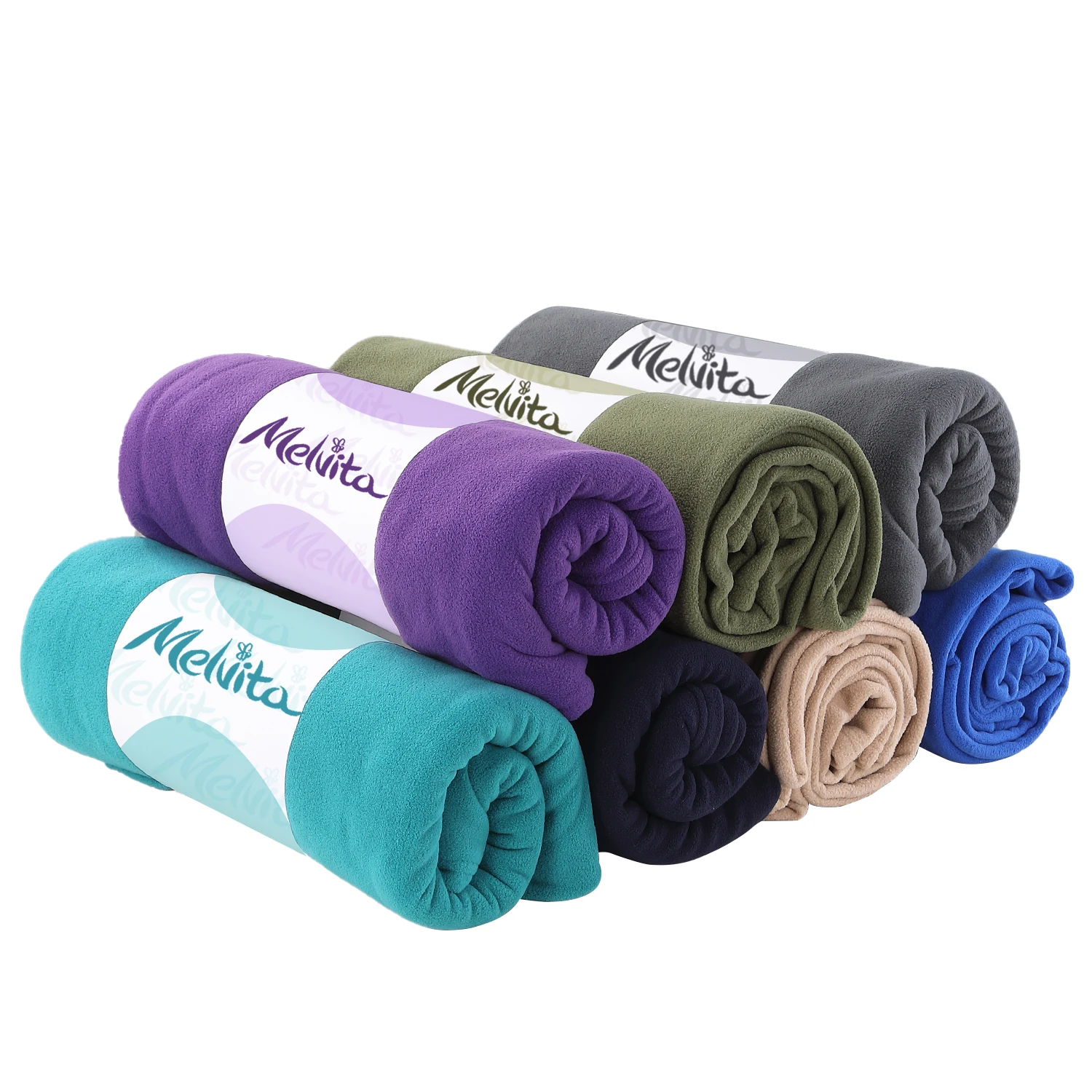
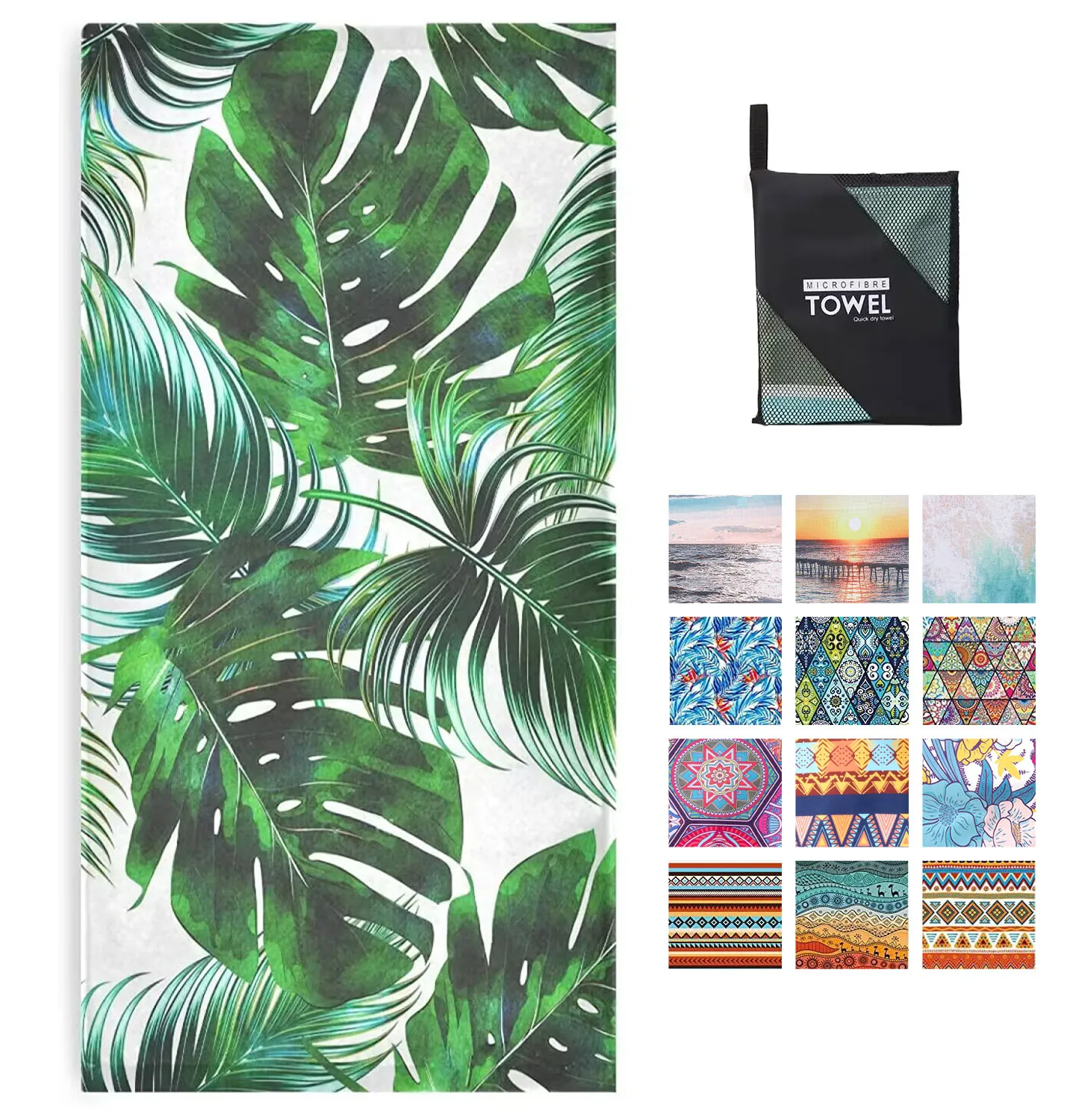
The global fitness industry is experiencing a profound shift toward sustainability, and the yoga towel stands at the center of this transformation. Consumers worldwide are increasingly seeking products that align with their environmental values while delivering superior performance during practice. The yoga towel has emerged as one of the fastest-growing segments in the wellness market, driven by a combination of eco-conscious manufacturing, superior functionality, and lifestyle alignment. Understanding why the yoga towel is gaining such widespread popularity requires examining the intersection of environmental responsibility, product innovation, and consumer demand across diverse markets and demographics.
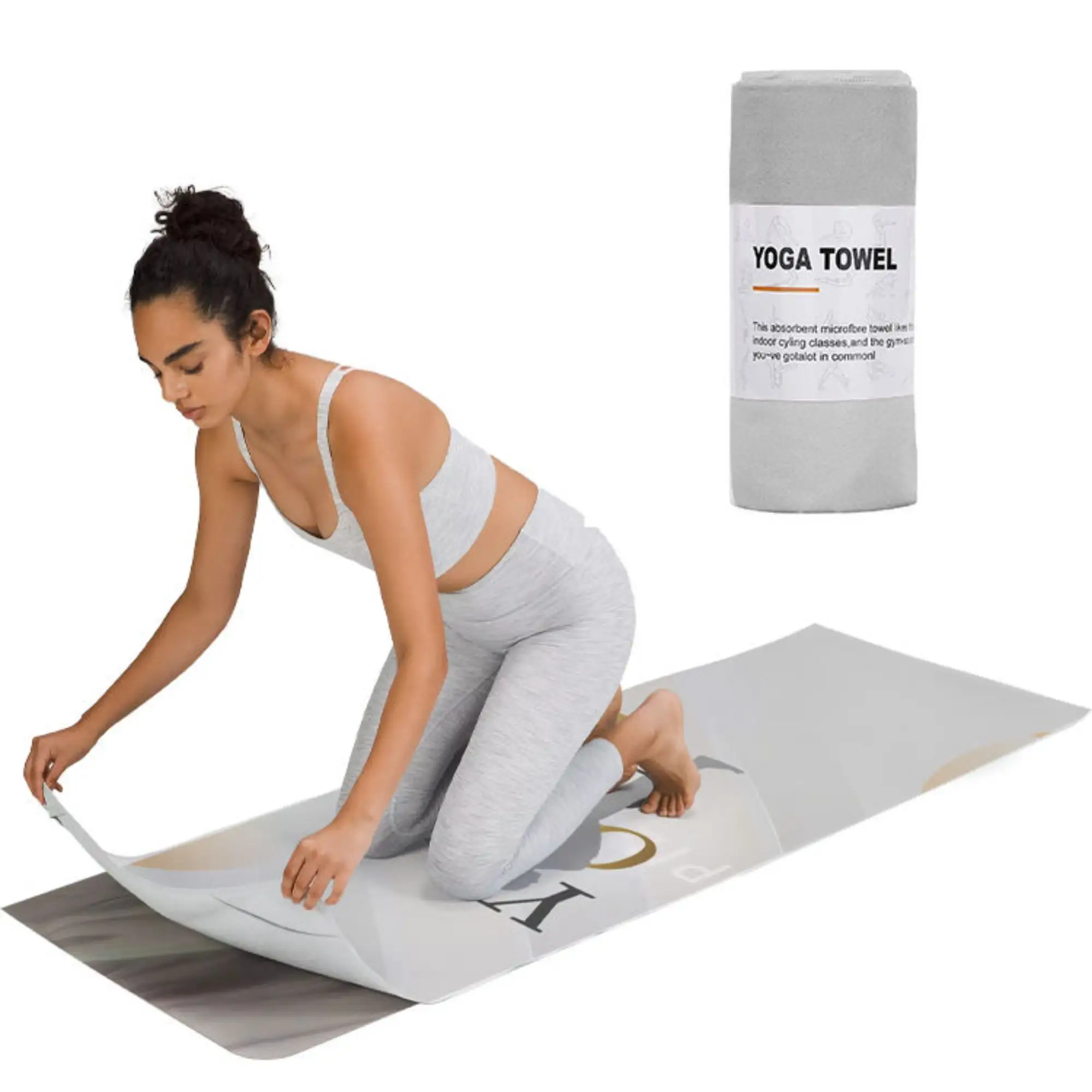
What makes a yoga towel truly valuable extends beyond basic absorption and grip. Modern yoga towel design incorporates advanced materials, ergonomic engineering, and sustainable production practices that appeal to both casual practitioners and professional instructors. The yoga towel market has expanded because manufacturers are responding to genuine consumer pain points: traditional cotton yoga towels absorb too much moisture, synthetic options often lack breathability, and most conventional towels carry significant environmental costs. The yoga towel represents a breakthrough solution that addresses these concerns while reflecting broader consumer preferences for responsible consumption in the wellness sector.
The surge in yoga towel popularity directly correlates with advances in sustainable material science. Manufacturers are increasingly producing yoga towel products from recycled polyester, organic cotton blends, and plant-based fibers that minimize environmental impact compared to virgin synthetic materials. A high-quality yoga towel made from recycled content reduces water consumption by up to 90 percent relative to traditional manufacturing processes. This environmental advantage resonates strongly with the estimated 300 million yoga practitioners globally, many of whom actively seek ways to reduce their carbon footprint through conscious purchasing decisions. When consumers choose an eco-friendly yoga towel, they are making a statement about their values while supporting companies that prioritize planetary health.
Selecting a sustainable yoga towel contributes meaningfully to personal carbon reduction goals. An eco-conscious yoga towel manufactured through renewable energy processes and shipped via optimized logistics generates significantly lower emissions than conventionally produced alternatives. The yoga towel industry has responded to consumer demand by establishing supply chains that track and minimize environmental impact at every stage, from raw material sourcing through final delivery. This transparency appeals to environmentally aware practitioners who want accountability from the brands they support. The yoga towel has thus become a symbolic representation of how small purchasing decisions collectively drive demand for greener business practices across the entire wellness industry.
A premium yoga towel delivers functional advantages that directly enhance practice quality and safety. Advanced grip technology integrated into contemporary yoga towel products prevents slipping during challenging poses, reducing injury risk in hot yoga environments where sweat naturally increases surface moisture. The yoga towel's engineered surface texture provides consistent traction whether you are holding a downward dog position or transitioning through dynamic vinyasa sequences. This performance enhancement distinguishes modern yoga towel products from generic sports towels, which lack the specialized design necessary for yoga practice. Professional studios increasingly stock high-performance yoga towel options because instructors recognize that proper equipment directly impacts student confidence and practice outcomes.
The yoga towel excels at managing moisture while maintaining structural integrity through hundreds of wash cycles. Premium yoga towel materials employ microfiber technology or specialized synthetic blends that absorb significantly more moisture than traditional cotton while drying faster and resisting mildew and odor development. A durable yoga towel represents better long-term value because it withstands intensive use without degrading, stretching, or losing grip properties. Practitioners appreciate that investing in a quality yoga towel means they can focus on their practice rather than worrying about equipment failure during sessions. The longevity of well-made yoga towel products also aligns with sustainability principles by reducing replacement frequency and overall consumption patterns.
The global wellness industry surpassed $4.5 trillion in recent years, with yoga representing one of the fastest-growing segments. This expansion creates substantial demand for complementary products like the yoga towel, which practitioners view as essential rather than optional. The yoga towel market benefits from this overall industry momentum while also capturing mindful consumers seeking sustainable alternatives to conventional fitness products. Urban professionals, fitness enthusiasts, and wellness-focused demographics increasingly purchase yoga towel products as part of comprehensive practice investments. Market analysts project continued robust growth in the yoga towel sector as more people adopt yoga for physical fitness, mental health, and spiritual development.
Social media and wellness influencers have amplified awareness of eco-friendly yoga towel options, demonstrating their role in contemporary practice setups. Content creators regularly feature their preferred yoga towel products in practice videos and lifestyle photography, normalizing the idea that intentional equipment selection matters. The yoga towel has transitioned from a practical accessory to a lifestyle symbol representing commitment to both personal wellness and environmental stewardship. This cultural shift drives peer influence within yoga communities, where practitioners observe experienced instructors and studio-mates using quality yoga towel products and follow suit. The yoga towel has essentially become part of yoga culture's visible identity, similar to how specific apparel or meditation cushions signal dedication to the practice.
An eco-friendly yoga towel is specifically engineered with sustainable materials, superior grip technology, and moisture-management properties tailored for yoga practice. Regular bath towels lack the grip necessary for safe yoga sessions and use materials with higher environmental costs. The yoga towel's specialized design includes textured surfaces that prevent slipping during poses, microfiber or recycled content that reduces environmental impact, and dimensions optimized for studio mats. This makes the yoga towel fundamentally different in both functionality and sustainability compared to conventional household towels.
A high-quality yoga towel typically lasts 2 to 3 years with regular use and proper care, depending on frequency and washing practices. The yoga towel's durability means you replace it far less often than lower-quality alternatives, which reduces overall consumption and environmental impact. Proper maintenance includes regular washing in cool water, air drying rather than machine drying, and avoiding harsh chemicals that degrade the yoga towel's grip properties. By investing in a durable yoga towel, you minimize replacement cycles while maintaining consistent performance throughout its lifespan.
Yes, the yoga towel is designed to work with virtually any standard yoga mat. The yoga towel simply lays over your existing mat, providing additional grip, sweat absorption, and a protective barrier. This versatility makes the yoga towel an excellent upgrade for practitioners who already own mats but want enhanced performance and hygiene benefits. The yoga towel's compatibility with different mat types means you can enhance your practice setup regardless of what mat you currently use, making it an accessible upgrade for any yoga practitioner.
 Hot News
2024-03-08
2024-03-08
2024-03-08
2024-03-08
2024-03-08
 EN
EN
 AR
AR
 NL
NL
 FR
FR
 DE
DE
 IT
IT
 JA
JA
 KO
KO
 PT
PT
 RU
RU
 ES
ES