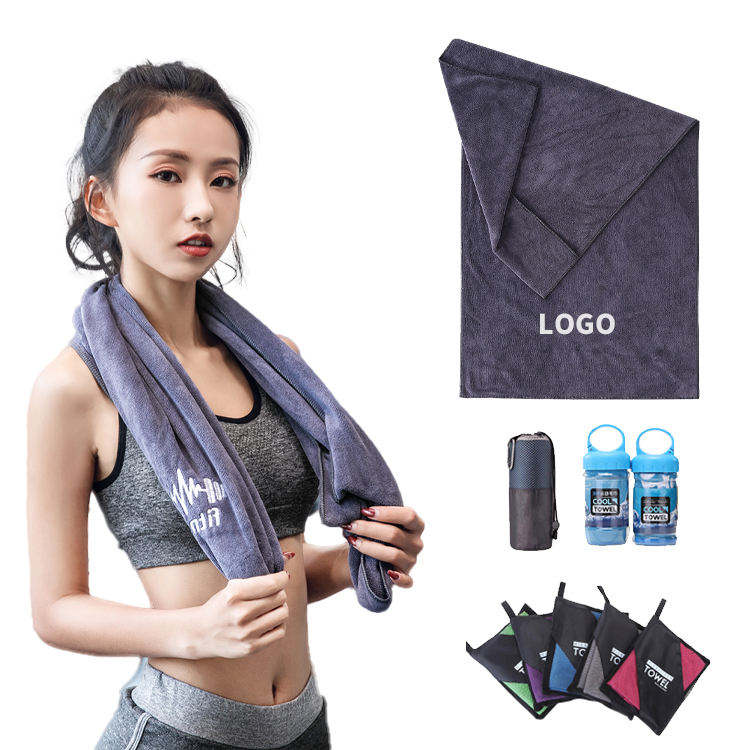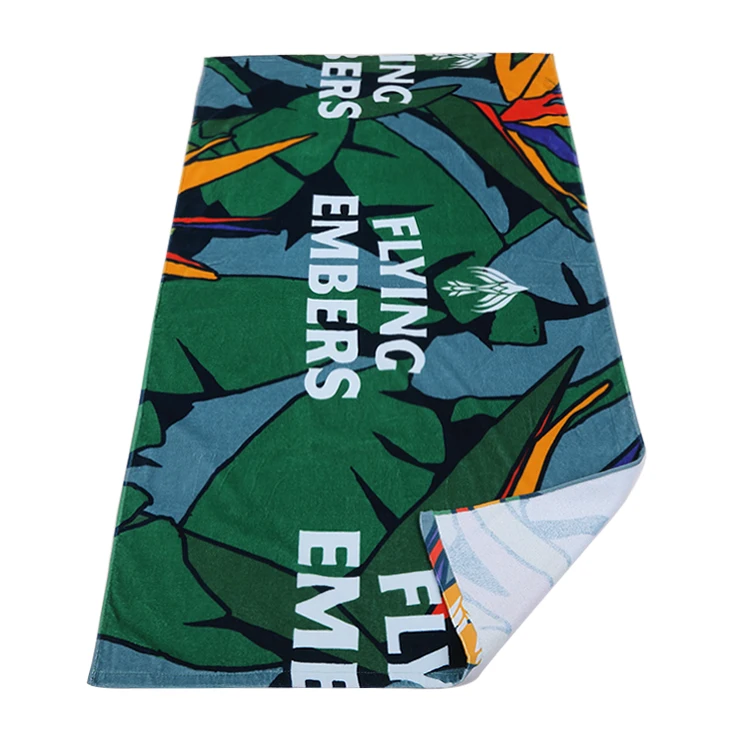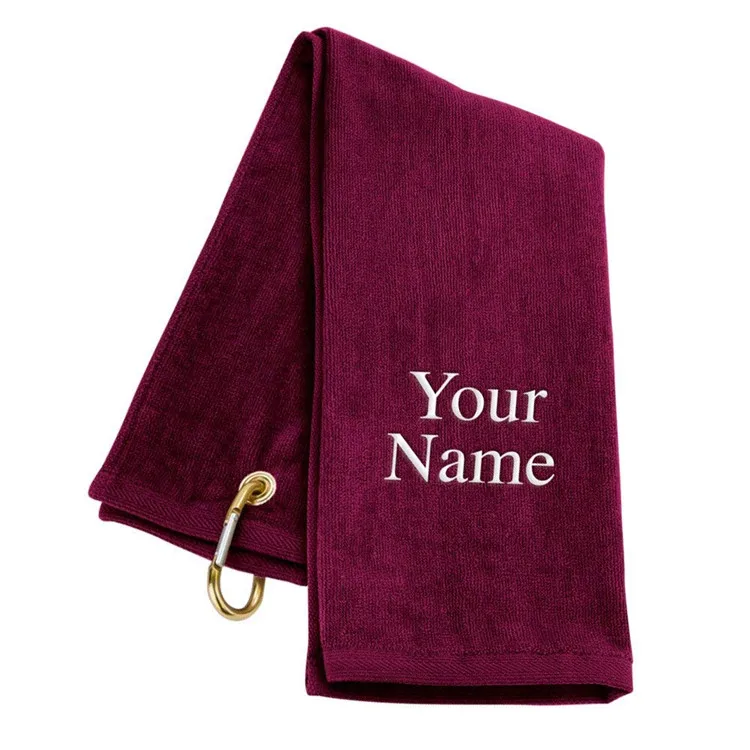
Skin irritation during exercise is a common concern that affects millions of fitness enthusiasts worldwide. From gym beginners to seasoned athletes, the discomfort of chafing, rashes, and bacterial infections can significantly impact workout performance and motivation. While proper hydration and appropriate clothing play crucial roles in preventing skin issues, one often overlooked solution lies in the strategic use of fitness towels. These specialized accessories serve as more than just sweat absorbers, acting as protective barriers that maintain skin health during intense physical activity.
The relationship between moisture management and skin health becomes particularly evident during cardiovascular workouts and strength training sessions. When sweat accumulates on the skin's surface, it creates an ideal environment for friction and bacterial growth, leading to various forms of dermatological distress. Quality fitness towels address these challenges through superior absorption capabilities and antimicrobial properties that actively combat the root causes of exercise-related skin problems. Understanding how these tools function can revolutionize your approach to workout hygiene and comfort.
Exercise-induced skin irritation manifests in several distinct forms, each presenting unique challenges for active individuals. Chafing represents perhaps the most immediate and painful consequence of inadequate moisture management during workouts. This condition occurs when wet skin repeatedly rubs against fabric or other skin surfaces, creating friction that damages the outer dermal layer. Areas particularly susceptible to chafing include the inner thighs, underarms, and along the bra line for women, where movement and moisture converge to create perfect storm conditions.
Heat rash, medically known as miliaria, develops when sweat ducts become blocked and perspiration cannot reach the skin's surface effectively. This blockage causes small, inflamed bumps that create intense itching and discomfort, particularly in areas where fitness towels would typically be most beneficial. The condition worsens in humid environments or when individuals wear non-breathable fabrics that trap moisture against the skin for extended periods.
Folliculitis, an infection of hair follicles, frequently affects gym-goers who experience prolonged exposure to sweat and bacteria. This condition appears as small, pus-filled bumps around hair follicles and can cause significant discomfort during subsequent workout sessions. The risk increases substantially when individuals fail to maintain proper hygiene practices or when they allow sweat to remain on their skin for extended periods after exercise completion.
Human perspiration contains more than just water and salt, encompassing a complex mixture of urea, lactic acid, and various minerals that can alter skin pH levels when allowed to accumulate. During intense exercise, the body's natural cooling mechanism produces up to three liters of sweat per hour, creating substantial challenges for maintaining optimal skin conditions. This excessive moisture, combined with increased skin temperature, creates an environment where harmful bacteria thrive while beneficial skin flora struggles to maintain balance.
The skin's natural barrier function becomes compromised when subjected to prolonged moisture exposure without adequate drying intervals. This compromised state increases susceptibility to bacterial and fungal infections while simultaneously reducing the skin's ability to regulate temperature effectively. Fitness towels interrupt this destructive cycle by providing immediate moisture removal and creating brief drying periods that allow the skin to recover its protective properties.
Research indicates that skin pH levels can shift dramatically during exercise, moving from the normal slightly acidic range of 4.5-5.5 to more alkaline levels approaching 7.0. This pH shift compromises the skin's natural antimicrobial properties and increases vulnerability to pathogenic organisms. Regular use of clean, dry fitness towels helps maintain more stable pH levels by preventing the accumulation of sweat and its alkaline components on the skin's surface.
The primary protective mechanism of fitness towels lies in their superior moisture absorption capabilities, which far exceed those of standard cotton alternatives. Modern fitness towels utilize advanced microfiber technology and specialized weaving techniques to increase surface area and absorption efficiency. These towels can absorb up to seven times their weight in moisture while maintaining a dry feel against the skin, preventing the prolonged wetness that leads to irritation and bacterial growth.
Effective moisture management extends beyond simple absorption to include controlled evaporation that maintains optimal skin conditions throughout workout sessions. High-quality fitness towels feature engineered fiber structures that promote rapid moisture wicking away from the skin while simultaneously facilitating quick drying of the towel itself. This dual-action approach ensures that each use provides maximum protective benefit without transferring moisture back to clean skin areas.
The strategic placement and regular use of fitness towels during exercise creates micro-environments where skin can briefly return to normal moisture levels. These brief drying periods are crucial for maintaining the skin's natural barrier function and preventing the cascade of problems that arise from continuous moisture exposure. Athletes who incorporate systematic towel use into their routines report significantly fewer instances of skin irritation and related complications.
Beyond moisture management, fitness towels serve as effective physical barriers that reduce direct friction between skin surfaces and equipment. Gym equipment, particularly in high-traffic facilities, can harbor bacteria and rough surfaces that contribute to skin abrasion and irritation. By placing clean fitness towels between your skin and equipment surfaces, you create a protective layer that eliminates direct contact while providing a hygienic barrier against potentially harmful microorganisms.
The soft, smooth texture of quality fitness towels provides a friction-reducing interface that protects sensitive skin areas during movement. This protection becomes particularly important during exercises that involve repetitive motions or prolonged contact with equipment surfaces. The towel's fabric structure disperses pressure points and reduces the mechanical stress that leads to chafing and irritation, especially in vulnerable areas where skin meets skin or clothing.
Strategic towel placement can also address specific friction points that commonly cause problems for exercisers. Draping towels over equipment padding, placing them between the back and bench surfaces, or using them to cushion areas where straps or belts make contact can significantly reduce irritation risk. This proactive approach to friction management represents a simple yet highly effective strategy for maintaining skin health during intense training sessions.

Modern fitness towels incorporate sophisticated antimicrobial treatments that actively combat bacteria, fungi, and other pathogens that contribute to skin irritation. Silver ion technology, for example, provides continuous antimicrobial action that remains effective even after multiple wash cycles. These treatments work at the molecular level to disrupt bacterial cell walls and prevent the formation of biofilms that can harbor harmful organisms on towel surfaces.
Bamboo fiber integration represents another significant advancement in fitness towel technology, offering natural antimicrobial properties alongside exceptional moisture-wicking capabilities. Bamboo's inherent resistance to bacterial growth makes it an ideal material for fitness applications where hygiene concerns are paramount. The natural properties of bamboo fibers remain effective throughout the towel's lifespan, providing consistent protection without requiring chemical treatments that may cause skin sensitivities.
Copper-infused fibers have emerged as another innovative solution for enhancing the antimicrobial properties of fitness towels. Copper's proven ability to eliminate bacteria, viruses, and fungi on contact makes it particularly valuable for individuals prone to skin infections or those exercising in shared facility environments. These advanced materials maintain their protective properties even under the demanding conditions of frequent washing and intense use.
Fitness towels play a crucial role in preventing cross-contamination between different areas of the body and various pieces of gym equipment. By designating specific towels for face use versus general body use, exercisers can avoid transferring bacteria from potentially contaminated surfaces to sensitive facial skin. This segregation strategy significantly reduces the risk of developing acne, folliculitis, and other bacterial skin conditions that commonly affect gym-goers.
The practice of using fresh fitness towels for each workout session eliminates the risk of reintroducing previously collected bacteria and fungi to clean skin. Many skin irritation problems persist or worsen when individuals unknowingly use contaminated towels that harbor pathogenic organisms from previous workouts. Maintaining an adequate supply of clean towels ensures that each exercise session begins with optimal hygiene conditions.
Proper towel storage and handling techniques further enhance their protective benefits by preventing contamination during transport and storage. Using dedicated gym bags with ventilated compartments for clean towels, avoiding contact with potentially contaminated surfaces, and implementing systematic washing routines all contribute to maximizing the antimicrobial benefits that fitness towels provide.
The effectiveness of fitness towels in preventing skin irritation depends heavily on proper placement and timing of use throughout workout sessions. Beginning each exercise with a preliminary wipe-down removes any existing moisture or contaminants from the skin surface, creating optimal starting conditions for the workout ahead. This initial preparation step proves particularly important for individuals with sensitive skin or those prone to exercise-related dermatological issues.
During cardio sessions, regular towel application every five to ten minutes helps maintain skin dryness and prevents the accumulation of irritating sweat deposits. The key lies in developing a rhythm that interrupts moisture buildup without significantly disrupting workout flow. Athletes who master this balance report improved comfort levels and reduced post-exercise skin problems compared to those who only address moisture at workout completion.
Post-exercise towel use requires particular attention to areas where sweat tends to pool or where skin-to-skin contact occurs. Thoroughly drying the face, neck, underarms, and groin areas immediately after workout completion prevents the continued bacterial growth that occurs when individuals remain in sweat-soaked clothing. This immediate post-exercise attention period represents a critical window for preventing many common skin irritation problems.
Maintaining the protective properties of fitness towels requires adherence to specific washing and care protocols that preserve their antimicrobial and moisture-wicking capabilities. Hot water washing at temperatures exceeding 140°F effectively eliminates bacteria and fungi while activating detergent ingredients that remove embedded sweat deposits and oils. However, excessive heat can damage synthetic fibers, requiring careful balance between sanitization and material preservation.
Avoiding fabric softeners and bleach products helps maintain the structural integrity of advanced towel fibers while preserving their moisture-wicking properties. These chemicals can coat fibers and reduce their effectiveness, potentially compromising the very features that make fitness towels superior to standard alternatives. Instead, using enzyme-based detergents specifically designed for athletic wear provides optimal cleaning without damaging specialized fabric treatments.
Proper drying techniques are equally important for maintaining towel effectiveness and preventing the growth of mold and mildew that can cause skin irritation. Air drying in well-ventilated areas provides the gentlest approach, while machine drying on low heat settings offers convenience without excessive fiber stress. Ensuring complete dryness before storage prevents the bacterial growth that can occur in damp, confined environments.
Selecting appropriate fitness towels requires careful evaluation of material composition, size, and performance characteristics that align with specific workout needs and skin sensitivities. Microfiber construction offers superior absorption and quick-drying properties, making it ideal for high-intensity workouts where moisture management is critical. The synthetic nature of microfiber also provides inherent resistance to bacterial growth and maintains performance characteristics through repeated wash cycles.
Natural fiber options, particularly bamboo and organic cotton blends, provide excellent choices for individuals with sensitive skin or those who prefer eco-friendly alternatives. These materials offer gentler contact with delicate skin while providing adequate moisture absorption for most workout intensities. The natural antimicrobial properties of bamboo make it particularly suitable for individuals prone to skin irritation or those concerned about chemical sensitivities.
Size considerations play a crucial role in towel effectiveness, with larger towels providing better coverage and more surface area for moisture absorption. However, portability concerns must be balanced against performance needs, particularly for individuals who rely on public transportation or have limited gym bag space. Multiple smaller towels often provide more versatility than single large ones, allowing for specialized use patterns that maximize hygiene benefits.
Recognizing quality indicators helps ensure that fitness towels will provide consistent protective benefits throughout their useful lifespan. Construction density, measured in grams per square meter, indicates the towel's durability and absorption capacity, with higher values generally correlating with better performance. Edge finishing quality also serves as an indicator of overall construction standards, with reinforced edges suggesting better long-term durability under frequent washing conditions.
Color retention properties reflect the quality of dyes and fabric treatments used in towel manufacturing, with superior products maintaining their appearance and antimicrobial properties through extensive use. Fading or color bleeding may indicate inferior materials that could potentially cause skin irritation or reduced performance over time. Investing in higher-quality options typically provides better value through extended useful life and consistent performance.
Testing towel performance before committing to large quantities helps ensure compatibility with individual needs and preferences. Many manufacturers offer sample sizes or satisfaction guarantees that allow users to evaluate absorption rates, drying speed, and skin comfort before making substantial investments. This approach proves particularly valuable for individuals with specific skin sensitivities or unique workout requirements.
Effective skin protection requires integrating fitness towels into comprehensive pre and post-workout skin care routines that address the complete exercise cycle. Pre-workout preparation should include gentle cleansing to remove any existing bacteria or product residues, followed by application of appropriate moisturizers or protective barriers. Having clean fitness towels readily available ensures that moisture management can begin immediately when perspiration starts.
Post-workout protocols become particularly critical for preventing delayed-onset skin irritation that can develop hours after exercise completion. Immediate removal of sweat-soaked clothing, thorough towel drying of all affected areas, and prompt showering help interrupt the bacterial growth cycle that leads to many common skin problems. The transition period between workout completion and full cleansing represents a vulnerable time when proper towel use provides essential protection.
Long-term skin health benefits accumulate when fitness towels become integral components of consistent exercise hygiene routines. Regular users report improved skin texture, reduced incidence of exercise-related breakouts, and enhanced overall comfort during physical activity. These cumulative benefits reflect the compound effects of preventing daily micro-damage that can lead to more serious skin conditions over time.
Fitness towels work synergistically with other skin protection products to provide comprehensive defense against exercise-related irritation. Antimicrobial body washes designed for post-workout use help eliminate bacteria that towels cannot remove, while specialized moisturizers restore skin barrier function after intensive towel use. Understanding these complementary relationships helps create more effective overall protection strategies.
Clothing selection significantly impacts towel effectiveness, with moisture-wicking fabrics and proper fit reducing the overall moisture load that towels must manage. Loose-fitting garments made from synthetic materials or merino wool provide better ventilation and moisture transfer, making towel-based protection more effective. Conversely, tight cotton clothing can negate many benefits that fitness towels would otherwise provide.
Environmental factors such as humidity, temperature, and air circulation affect how well fitness towels can protect against skin irritation. Indoor cycling classes in poorly ventilated rooms present different challenges than outdoor running in dry climates, requiring adapted towel strategies for optimal results. Understanding these environmental interactions helps users modify their approach for maximum effectiveness across different workout conditions.
The replacement frequency for fitness towels depends on usage intensity and maintenance quality, but most experts recommend replacing them every 6-12 months for regular gym users. Signs that indicate replacement time include reduced absorption capacity, persistent odors despite thorough washing, visible wear patterns, or any changes in texture that might cause skin irritation. High-frequency users who exercise daily may need to replace towels more frequently, while occasional users can extend replacement intervals with proper care. Maintaining multiple towels in rotation helps extend individual towel lifespan while ensuring you always have fresh, effective options available.
Yes, inappropriate towel selection can significantly exacerbate skin irritation problems rather than providing protection. Rough textures, particularly those found in low-quality cotton towels, can create additional friction that damages already stressed skin. Towels with poor absorption capacity may redistribute moisture rather than removing it, creating conditions that promote bacterial growth. Additionally, towels treated with harsh chemicals or fabric softeners can cause allergic reactions or contact dermatitis in sensitive individuals. Synthetic towels of inferior quality may also generate static electricity that causes discomfort during use.
Optimal cleaning requires hot water washing at 140-160°F using enzyme-based detergents specifically designed for athletic wear, followed by thorough drying in direct sunlight or machine drying on appropriate heat settings. Avoid fabric softeners and bleach, which can compromise fiber integrity and antimicrobial treatments. For towels with advanced antimicrobial properties, occasional washing with white vinegar helps maintain effectiveness while removing mineral buildup. Always ensure complete drying before storage, as damp towels can harbor the very bacteria they're designed to eliminate. Consider washing fitness towels separately from other laundry to prevent cross-contamination and maintain optimal hygiene standards.
Different exercise types require adapted towel strategies for maximum effectiveness in preventing skin irritation. Cardiovascular workouts benefit from frequent light dabbing every 5-10 minutes to prevent sweat accumulation, while strength training requires strategic placement between skin and equipment surfaces to prevent friction. Yoga and stretching sessions call for towel use during transitions to prevent slip hazards and maintain grip, while contact sports may require immediate post-activity attention to prevent bacterial transmission. Hot yoga practitioners should focus on preventing sweat from dripping into eyes and maintaining grip stability, requiring more frequent towel changes than standard workout sessions.
Hot News2024-03-08
2024-03-08
2024-03-08
2024-03-08
2024-03-08