
 EN
 AR
 NL
 FR
 DE
 IT
 JA
 KO
 PT
 RU
 ES
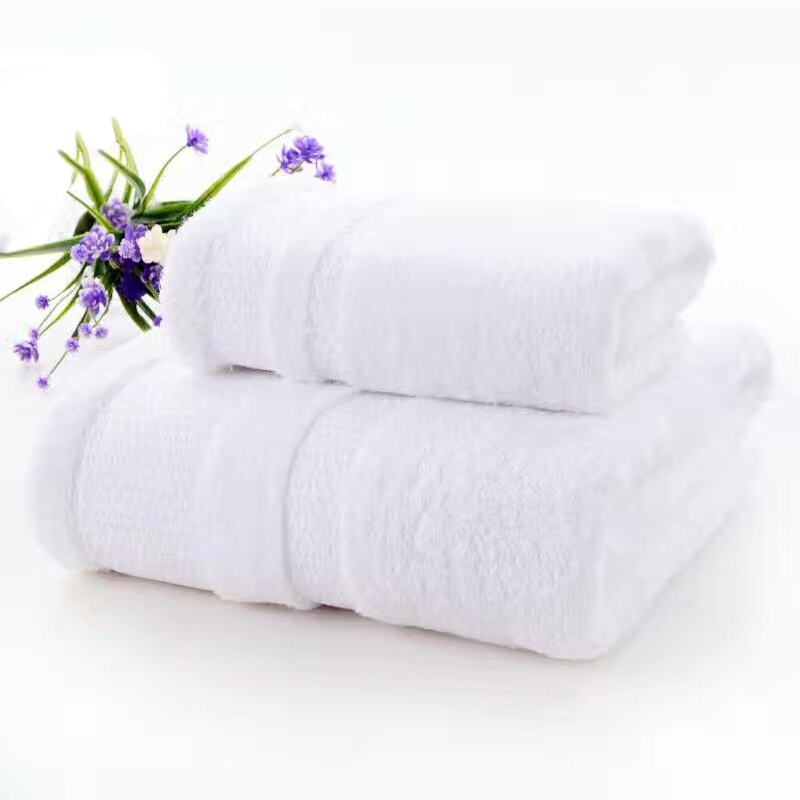
A jacquard towel represents a sophisticated choice for hospitality environments where guest experience directly influences reputation and loyalty. The distinct woven patterns that define each jacquard towel create an immediate visual distinction from standard terry cloth, signaling quality before a guest even touches the fabric. For hotels, resorts, spas, and luxury residences, selecting the right jacquard towel involves understanding both the technical weaving process and the practical benefits that elevate customer satisfaction. This article explores what makes a jacquard towel the preferred textile choice for premium hospitality settings and how the intricate construction of a jacquard towel translates into measurable business value.
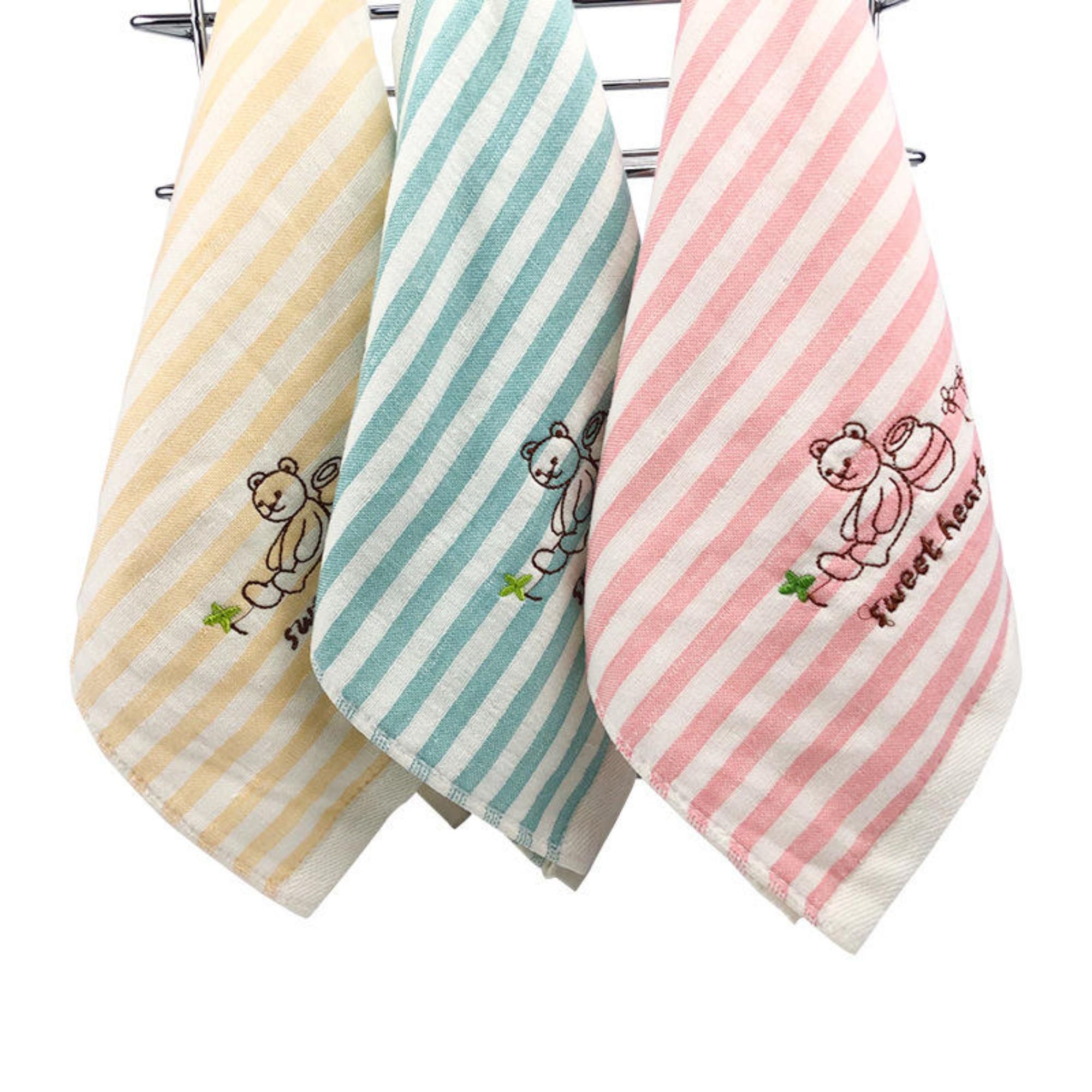
Understanding the composition and construction of a jacquard towel is essential for hospitality managers tasked with procurement decisions. A jacquard towel differs fundamentally from plain weave towels because its pattern is woven directly into the fabric during production, rather than applied afterward through printing or embroidery. This integration of pattern within the fiber structure means that a jacquard towel maintains its design integrity through repeated laundering, chlorine exposure, and high-temperature drying cycles that are standard in hotel operations. The investment in a premium jacquard towel pays dividends across the operational lifespan of the product, reducing replacement frequency and maintaining the visual standards that luxury guests expect.
Design Excellence and Visual Impact of Jacquard Towels
Intricate Pattern Technology in Jacquard Towel Production
The jacquard loom technology that enables each jacquard towel to feature complex, multi-colored patterns represents a significant advancement over traditional weaving methods. This technology allows designers to program virtually any pattern, from subtle geometric designs to elaborate damask or floral motifs, into the fabric structure of a jacquard towel. For luxury spaces, this versatility means that a jacquard towel can be customized to complement specific interior design schemes, brand aesthetics, or seasonal collections. The ability to weave trademark logos, resort names, or signature colors directly into a jacquard towel creates a branded textile experience that enhances guest perception of exclusivity and attention to detail.
Color Retention and Aesthetic Consistency
One critical advantage of a jacquard towel in hospitality settings is the permanence of its coloring and pattern. Because the design is woven rather than printed, a jacquard towel resists fading from sun exposure, laundering chemicals, and regular wear that would compromise the appearance of printed alternatives. Hotels maintaining multiple properties or seasonal operations benefit enormously from this durability, as a jacquard towel purchased for winter service maintains its pristine appearance through summer exposure and subsequent storage cycles. The consistent aesthetic presentation of a jacquard towel across hundreds or thousands of units in inventory ensures uniform guest experience, eliminating the visual inconsistency that can undermine luxury brand positioning.
Durability and Operational Efficiency of Jacquard Towels
Structural Integrity Through Repeated Laundering
The construction method of a jacquard towel creates superior structural stability compared to standard terry towels. The interlocking warp and weft threads that create the jacquard pattern reinforce the overall fabric structure, meaning a jacquard towel can withstand the rigorous industrial laundering that occurs in hospitality environments. Hotels processing hundreds of towels daily through high-temperature wash cycles, mechanical extraction, and commercial drying equipment rely on a jacquard towel to maintain its integrity through this intensive treatment. The reinforced structure of a jacquard towel reduces pilling, tearing, and delamination that would render standard towels unsuitable for luxury environments after just months of use.
Cost Efficiency and Inventory Management
While the initial procurement cost of a jacquard towel exceeds that of basic terry cloth, the total cost of ownership strongly favors the investment. A jacquard towel typically maintains service quality for three to five times longer than conventional towels, dramatically reducing the frequency of replacement purchases and the associated labor costs of inventory rotation. Hotels that implement a jacquard towel procurement strategy often find that the per-use cost actually decreases compared to cheaper alternatives that require frequent replacement. Additionally, a jacquard towel retains its luxury appearance throughout its service life, eliminating the need to retire towels prematurely due to visual degradation that would contradict the luxury brand experience.
Guest Experience and Brand Differentiation Through Jacquard Towels
Sensory Premium Perception
Luxury guests form immediate sensory judgments upon contact with hotel textiles, and a jacquard towel creates a distinctive tactile and visual impression that communicates quality and sophistication. The dense weave and structured pattern of a jacquard towel feel noticeably different from standard towels, conveying substance and craftsmanship. When guests recognize that their resort provides a jacquard towel rather than a commodity product, this detail contributes disproportionately to overall satisfaction ratings and return visitation likelihood. The presence of a premium jacquard towel in a guest room or spa signals that management has invested in quality across all touchpoints, reinforcing the value proposition of the luxury experience.
Brand Storytelling and Competitive Positioning
A customized jacquard towel featuring resort logos, signature colors, or thematic designs becomes a physical brand ambassador that guests may retain as a souvenir, extending marketing reach beyond checkout. The deliberate selection of a jacquard towel communicates a specific brand philosophy: that attention to detail, durability, and aesthetic excellence are organizational priorities. Competitors offering standard towels cannot match the brand differentiation achieved through a branded jacquard towel. For luxury properties competing in saturated markets, the strategic deployment of a jacquard towel in guest suites, bathrooms, and spa facilities becomes a tangible way to justify premium positioning and elevated rates.
FAQ
What is the difference between a jacquard towel and a printed towel?
A jacquard towel has its pattern woven directly into the fabric during production using specialized loom technology, while printed towels have designs applied to the surface afterward. This fundamental difference means a jacquard towel maintains its pattern integrity through hundreds of wash cycles, whereas printed towels gradually fade and deteriorate. A jacquard towel is therefore the preferred choice for hospitality environments where durability and consistent appearance are non-negotiable requirements.
How long does a jacquard towel typically last in hotel operations?
A properly maintained jacquard towel can provide service for three to five years in typical hotel operations, compared to one to two years for standard towels. The exact lifespan depends on laundry frequency, water quality, detergent chemistry, and drying methods. Hotels that follow best practices for textile care find that a jacquard towel represents superior value despite higher upfront costs, as the extended service life and maintained appearance reduce replacement frequency and inventory management complexity.
Can a jacquard towel be customized with branding?
Yes, a jacquard towel can be fully customized with logos, resort names, color schemes, and thematic patterns woven directly into the design. This customization capability makes a jacquard towel an ideal tool for brand differentiation in luxury hospitality. Working with textile manufacturers allows resorts to create signature jacquard towel designs that reinforce brand identity and provide memorable guest experiences that extend beyond the property.