
 EN
 AR
 NL
 FR
 DE
 IT
 JA
 KO
 PT
 RU
 ES
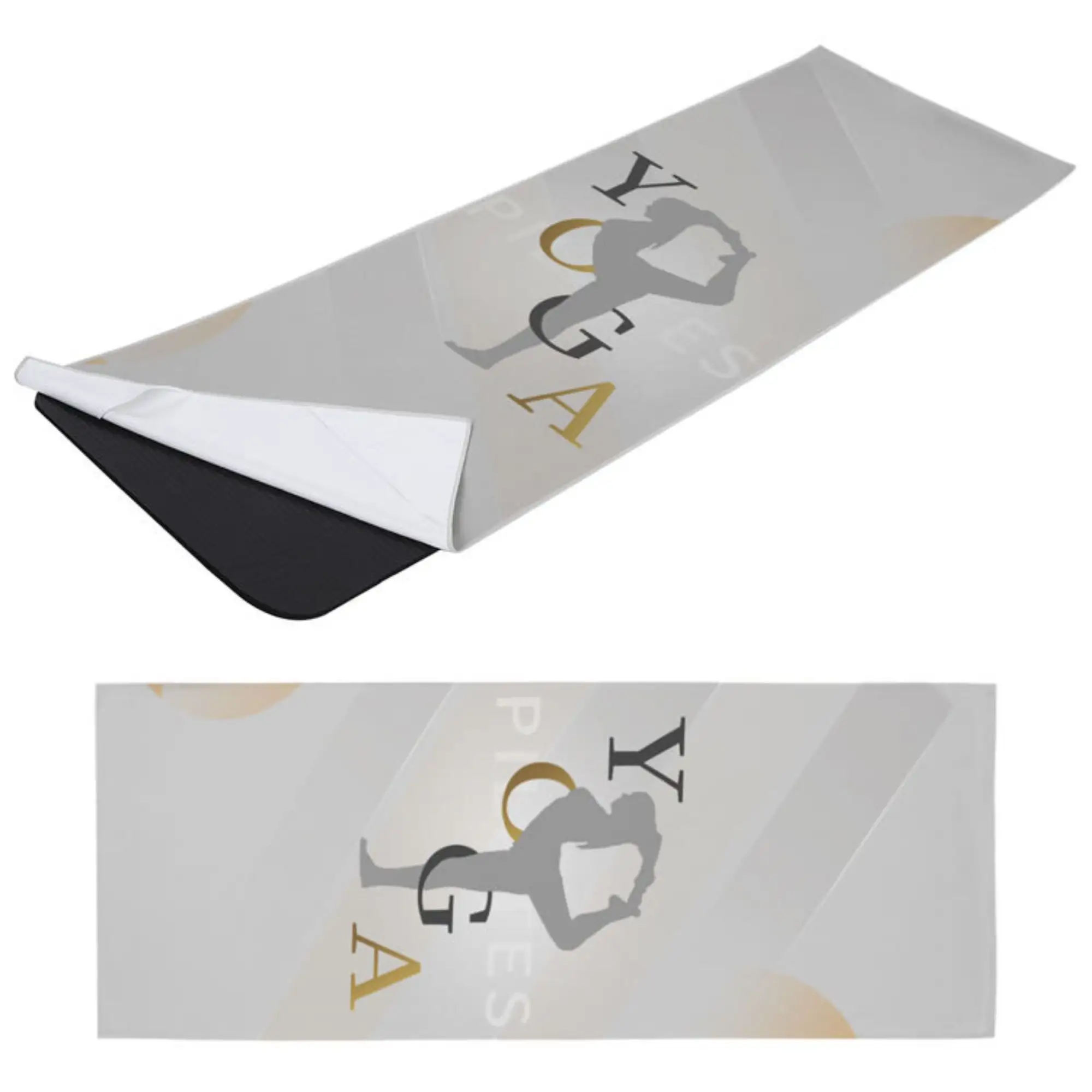
A quality yoga towel is a valuable investment for any regular practitioner, providing slip resistance, comfort, and hygiene during your practice sessions. However, like all athletic gear, a yoga towel requires proper care and attention to maintain its performance and extend its lifespan. Understanding the right methods to clean, dry, and store your yoga towel can make a significant difference in how long it serves you effectively. Many practitioners overlook basic maintenance routines, which can lead to premature wear, odor retention, and reduced grip quality over time. By implementing consistent care practices, you can protect your yoga towel investment and ensure it remains in optimal condition for years to come.
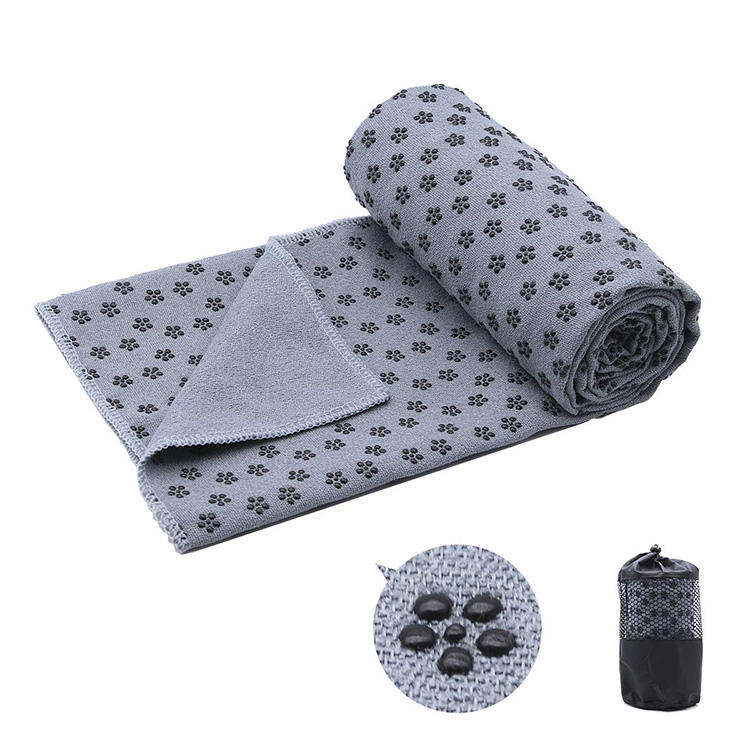
Taking the time to learn proper care techniques demonstrates respect for your equipment and commitment to maintaining a clean, hygienic practice environment. Whether you practice hot yoga, Vinyasa, or gentle stretching sessions, your yoga towel absorbs sweat, moisture, and body oils that can accumulate quickly. Without proper attention, these elements create an ideal environment for bacteria and mold growth, compromising both the integrity of your yoga towel and the cleanliness of your practice space. This guide walks you through the essential steps to maintain your yoga towel's quality, from initial washing through long-term storage strategies.
Washing Your Yoga Towel Correctly
Determining Washing Frequency
The frequency with which you wash your yoga towel depends largely on how often you practice and the intensity of your sessions. If you practice daily or engage in hot yoga regularly, your yoga towel should be washed after every use or at minimum every other session to prevent bacterial buildup and odor development. For casual practitioners who use their yoga towel once or twice weekly, washing after each use is still recommended to maintain hygiene standards. Sweat and moisture trapped in fibers create an environment where odor-causing bacteria flourish rapidly, so prompt washing is essential. Waiting several days before cleaning your yoga towel can result in stubborn stains, permanent odor impregnation, and accelerated degradation of the microfiber material.
Selecting Appropriate Washing Methods
Machine washing is the most practical approach for most yoga towels, though gentle settings are crucial to preserve the towel's integrity and non-slip properties. Place your yoga towel in a mesh laundry bag before washing to provide additional protection during the cycle, preventing excessive agitation that can damage the microfiber surface. Use cold water rather than hot water, as high temperatures can break down synthetic fibers and cause the yoga towel to lose its grip characteristics over time. Select a gentle or delicate cycle specifically, avoiding heavy-duty or bulky settings that subject the towel to unnecessary stress and friction. Add a mild detergent in smaller quantities than you would for regular laundry, as excess soap can leave residue on your yoga towel that reduces traction and attracts more dirt accumulation.
Drying Techniques for Optimal Preservation
Air Drying Benefits
Air drying is the recommended method for preserving your yoga towel's structural integrity and extending its useful lifespan significantly. Hang your yoga towel in a well-ventilated area away from direct sunlight, which can fade colors and weaken synthetic fibers through UV exposure. Allow adequate space between the yoga towel and surrounding objects to ensure uniform air circulation and prevent moisture pockets from forming. Avoid wringing or twisting your yoga towel aggressively, as this can distort the weave and compromise the non-slip surface that makes the towel effective during practice. If you need to remove excess water quickly, gently press the yoga towel against a clean surface rather than wringing, which preserves the microfiber structure more effectively.
Machine Drying Considerations
While air drying is ideal, machine drying on low heat is acceptable if you lack adequate hanging space or face time constraints with your yoga towel. Never use high heat settings, as these can permanently damage the microfiber material and melt the non-slip coating that provides traction during your practice. If you machine dry your yoga towel, use the delicate setting and remove it immediately once the cycle completes to minimize wrinkles and allow residual warmth to dissipate. Excessive heat exposure degrades the quality of your yoga towel considerably faster than gentle air drying, so reserve machine drying for occasional use rather than regular routine maintenance.
Storage and Long-Term Maintenance Strategies
Creating Optimal Storage Conditions
Store your yoga towel in a clean, dry location with good air circulation to prevent moisture retention and mold or mildew development. A dedicated drawer, shelf, or hook in your practice space works well, keeping your yoga towel accessible while protecting it from dust and environmental contaminants. Ensure your yoga towel is completely dry before storing it away, as any residual moisture creates conditions favorable for microbial growth that can permanently affect the towel's odor and appearance. Avoid plastic storage containers that trap moisture; instead, use fabric storage solutions or open shelving that allows continuous airflow around your yoga towel.
Addressing Odor and Stubborn Stains
If your yoga towel develops stubborn odors despite regular washing, soak it in a mixture of water and white vinegar for thirty minutes before washing normally, which neutralizes bacteria-induced smells without damaging the yoga towel. For visible stains on your yoga towel, treat the affected area with a small amount of mild stain remover before washing, avoiding bleach or harsh chemicals that compromise the material. Enzymatic laundry detergents work particularly well for yoga towel maintenance, breaking down protein-based stains from sweat while being gentle on synthetic fibers. If persistent odor remains after washing, your yoga towel may need additional treatment or replacement, as trapped bacteria can become irreversible with time.
FAQ
Can I use fabric softener on my yoga towel?
Fabric softener should be avoided when caring for your yoga towel because the coating creates a slippery surface that reduces traction and grip during practice. The conditioning agents in fabric softener interfere with the non-slip properties that make your yoga towel effective, potentially compromising your safety during poses. Instead, rely on proper washing techniques and air drying to maintain your yoga towel's natural grip and performance characteristics without chemical interference.
How often should I replace my yoga towel?
With proper care and maintenance, a quality yoga towel typically lasts two to three years before showing significant signs of wear and performance decline. You'll notice your yoga towel needs replacement when the non-slip surface becomes slick, colors fade considerably, or the microfiber feels thin and worn despite regular washing. Investing in a high-quality yoga towel and maintaining it consistently through proper washing and drying extends its usable lifespan and maximizes your return on this equipment investment over time.
What temperature water works best for washing a yoga towel?
Cold water is the best choice for washing your yoga towel as it prevents damage to synthetic fibers and maintains the non-slip coating's integrity. Warm or hot water can weaken the microfiber material, cause colors to fade, and potentially degrade the adhesive properties of the grip surface on your yoga towel. Always use cold water combined with gentle cycles and mild detergent to clean your yoga towel effectively while preserving its quality and functionality.