
Home > Contact Us > News
When adventure calls, whether it's catching the perfect wave at dawn or setting up camp under a starlit sky, having the right gear can make all the difference. Among the essential items that outdoor enthusiasts swear by, poncho towels have emerged as versatile game-changers that combine functionality with comfort. These innovative garments serve multiple purposes, transforming from a cozy changing room to a quick-dry towel, making them indispensable for surfers and campers alike. The unique design of these multipurpose accessories offers unparalleled convenience while maintaining the absorbency and coverage needed for outdoor activities.
The concept of combining a poncho with a towel represents a significant leap forward in outdoor gear design. Traditional beach towels, while effective at drying, often fall short when it comes to providing privacy for changing or protecting against wind and sand. The evolution toward poncho towels addresses these limitations by incorporating a hood and arm openings, creating a wearable solution that offers both functionality and convenience. This design innovation has revolutionized how outdoor enthusiasts approach their gear selection, particularly those who prioritize efficiency and versatility.
Modern manufacturing techniques have enabled the creation of poncho towels using advanced materials that enhance absorbency while reducing drying time. These fabrics often incorporate microfiber technology or specialized cotton blends that maximize moisture-wicking properties. The result is a product that performs better than traditional towels in outdoor environments where quick drying and packability are crucial. Additionally, the integration of design elements like reinforced seams and colorfast dyes ensures these towels maintain their appearance and functionality even after extensive use in challenging conditions.
The effectiveness of poncho towels lies largely in their construction materials, which are specifically chosen for their performance characteristics. High-quality versions typically feature cotton-polyester blends or pure cotton with reactive printing processes that ensure vibrant colors and patterns remain intact despite repeated washing and exposure to saltwater or chlorine. The fabric weight is carefully balanced to provide adequate thickness for absorbency while maintaining the lightweight properties essential for portability during outdoor adventures.
Advanced textile treatments applied during manufacturing enhance the natural properties of the base materials. These treatments may include antimicrobial coatings that prevent odor-causing bacteria growth, UV-resistant finishes that protect against sun damage, and water-repellent treatments on the outer surface that help shed moisture when worn as a poncho. The combination of these technological improvements results in a product that outperforms traditional towels in durability, hygiene, and weather resistance, making them particularly suitable for extended outdoor use.
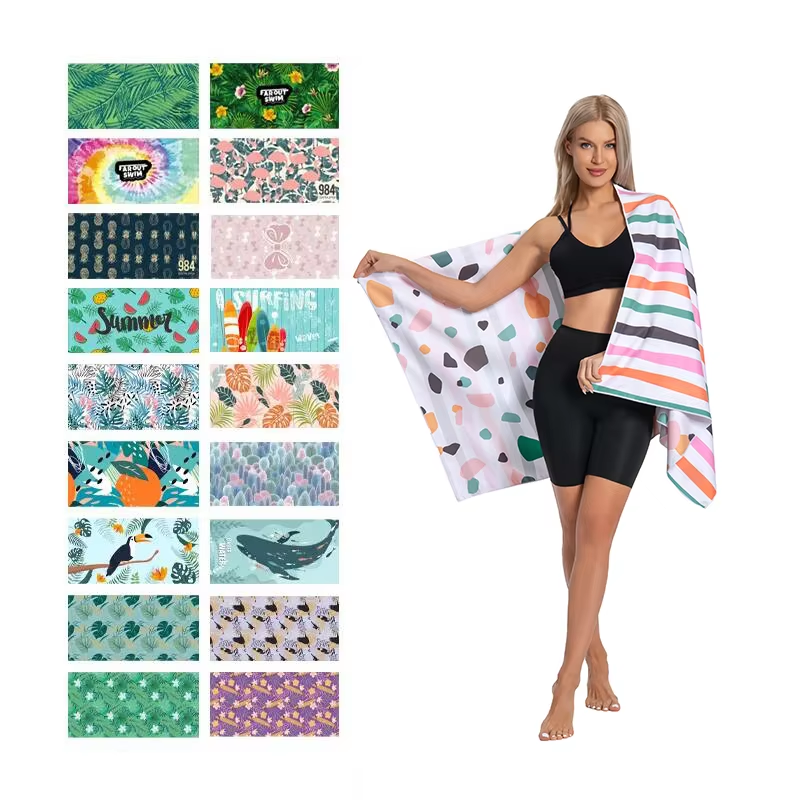
For surfers, the ability to change in and out of wetsuits discreetly is a constant challenge, especially at crowded beaches or locations without proper facilities. Poncho towels provide an elegant solution by creating a private changing space that moves with the user. The generous coverage area and strategic arm openings allow surfers to slip out of wet suits while maintaining modesty, regardless of the surrounding environment. This privacy feature is particularly valuable for female surfers or those surfing at family-friendly beaches where discretion is appreciated.
The hands-free nature of poncho towels offers significant advantages during the post-surf routine. Unlike traditional towels that require constant readjustment and can easily fall or blow away in coastal winds, poncho towels stay securely in place while allowing full use of both hands for tasks like organizing gear, applying sunscreen, or preparing equipment for the next session. This convenience factor becomes especially apparent during longer surf trips where efficiency in transitioning between sessions can maximize time in the water.
Coastal environments present unique challenges that poncho towels are specifically designed to address. The combination of wind, sand, and salt spray can make post-surf comfort difficult to achieve with traditional towels. The wraparound design and hood of poncho towels provide comprehensive protection against these elements, creating a microenvironment of warmth and dryness. This protection is particularly crucial during early morning or late afternoon sessions when air temperatures may be significantly cooler than water temperatures.
The coverage provided by poncho towels extends beyond simple drying to include protection from harmful UV rays during extended beach time. The fabric coverage over shoulders, back, and upper arms provides an additional barrier against sun exposure, which is especially important for surfers who spend multiple hours per day in direct sunlight. Some poncho towels feature specialized UV-blocking fabrics that enhance this protective function, making them valuable components of a comprehensive sun safety strategy.
The utility of poncho towels extends far beyond beach and water activities, making them excellent additions to camping gear collections. Around the campsite, these versatile items serve multiple functions that traditional towels cannot match. The poncho design allows campers to maintain warmth and modesty while changing clothes, showering at camp facilities, or simply staying comfortable during cool morning or evening hours. The ability to wear the towel while performing other tasks makes it particularly useful during busy camp setup or breakdown periods.
Campers often discover creative applications for poncho towels that highlight their versatility. The large surface area and absorbent properties make them excellent for drying dishes, wiping down picnic tables, or cleaning camping equipment. When not being worn, they can serve as ground covers for impromptu seating areas, extra insulation for sleeping systems, or protective covers for sensitive gear during unexpected weather changes. This multi-functionality is especially valuable for backpackers and minimalist campers who must carefully consider the weight and space requirements of every item they carry.
Outdoor adventures often involve exposure to unpredictable weather conditions, and poncho towels provide an additional layer of protection against the elements. The hooded design offers head and neck protection during light rain or morning dew, while the full-body coverage helps maintain core temperature during temperature drops. This weather protection capability makes poncho towels valuable as emergency gear that can provide comfort and warmth when unexpected conditions arise during outdoor activities.
The quick-dry properties of quality poncho towels become particularly important during multi-day camping trips where laundry facilities may be unavailable. Unlike traditional towels that can remain damp for extended periods in humid conditions, poncho towels dry rapidly even in challenging environments. This quick-drying characteristic helps prevent the development of mildew and unpleasant odors that can plague camping gear, ensuring the towel remains fresh and ready for use throughout extended outdoor adventures.
The effectiveness of poncho towels depends heavily on thoughtful design elements that enhance usability and durability. Quality models feature reinforced stitching at stress points, particularly around arm openings and hood attachments, which experience the most wear during regular use. The placement and size of arm openings are carefully engineered to provide adequate mobility while maintaining coverage, allowing users to perform complex tasks like equipment manipulation or food preparation without compromising the towel's position.
Hood design represents another critical aspect of poncho towel construction, with the best models incorporating adjustable features or strategic shaping that accommodates different head sizes and hair volumes. Some designs include drawstrings or elastic elements that allow users to customize the fit for maximum comfort and weather protection. The integration of pockets or attachment points for accessories adds practical value, enabling users to keep small items secure while maintaining hands-free convenience.
The dimensions of poncho towels must balance coverage area with portability requirements, particularly for activities where pack weight and size are crucial factors. Most effective designs provide sufficient length to cover from shoulders to mid-thigh while maintaining a width that allows comfortable arm movement without excessive bulk. The fabric choice significantly impacts the packed size, with high-performance materials offering excellent absorbency in surprisingly compact packages when compressed for travel.
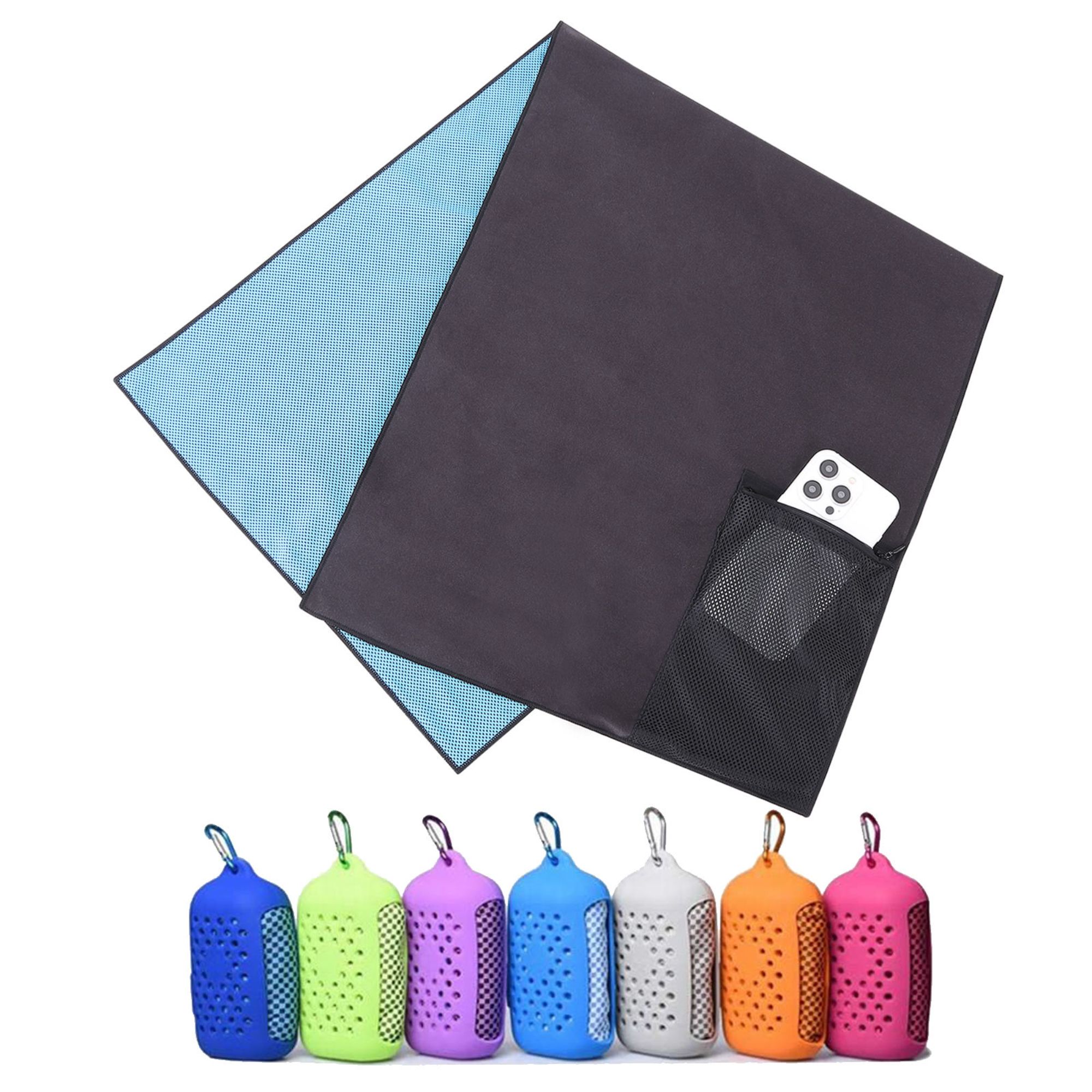
Portability features often include integrated stuff sacks or compression straps that allow poncho towels to pack down to remarkably small sizes. Some manufacturers incorporate loop systems or carabiner attachment points that enable easy securing to backpacks or beach bags without consuming interior storage space. These thoughtful details make poncho towels practical choices for weight-conscious adventurers who cannot afford to carry bulky or single-purpose items during their outdoor pursuits.
Proper care extends the lifespan of poncho towels while maintaining their performance characteristics and appearance. Most quality poncho towels can be machine washed using standard laundry detergents, though avoiding fabric softeners helps preserve the absorbent properties of the fabric. Cold or warm water settings are typically recommended to prevent shrinkage and color fading, particularly for towels featuring reactive printing or vibrant color schemes that enhance their visual appeal.
Drying methods significantly impact the longevity and performance of poncho towels, with air drying generally preferred over high-heat machine drying. The quick-dry properties inherent in quality poncho towels make air drying practical even in humid conditions, while avoiding the fabric stress and potential shrinkage associated with high-temperature drying cycles. When machine drying is necessary, low heat settings help preserve fabric integrity while still achieving thorough drying in reasonable timeframes.
Effective storage practices prevent damage and ensure poncho towels remain ready for immediate use during spontaneous outdoor adventures. Completely dry towels should be folded or rolled loosely to prevent permanent creasing, with breathable storage bags preferred over sealed containers that might trap residual moisture. For frequent travelers, maintaining a dedicated gear bag for poncho towels helps protect them from damage while keeping them easily accessible for quick packing decisions.
Transportation considerations become important during extended trips where poncho towels may be exposed to various environmental conditions. Waterproof stuff sacks provide protection against unexpected moisture while allowing the towel to be secured externally on backpacks when space is limited. Some outdoor enthusiasts maintain separate dirty and clean storage systems, using mesh bags for post-use transport that allow air circulation while containing any residual sand or debris picked up during beach or camping activities.
Choosing the appropriate poncho towel requires careful consideration of material composition and manufacturing quality, as these factors directly impact performance and durability. High-quality cotton blends offer superior absorbency and softness, while synthetic materials may provide enhanced quick-drying properties and reduced weight for ultralight applications. The weave density and fabric weight influence both absorbent capacity and packed size, requiring users to balance performance needs against portability requirements based on their specific use cases.
Quality indicators include consistent stitching, colorfast dyes, and fabric treatments that enhance performance without compromising comfort. Examining seam construction, particularly around stress points like arm openings and hood attachments, reveals the attention to detail that separates premium products from budget alternatives. Additionally, checking for certifications related to fabric treatments, such as antimicrobial or UV-protection coatings, helps ensure that advertised performance benefits are genuine rather than marketing claims.
Different outdoor activities place varying demands on poncho towels, making feature prioritization essential for optimal selection. Surfers may prioritize wind resistance and sand-shedding properties, while backpackers focus on weight and packed size considerations. Car campers might value larger sizes and enhanced durability over portability, whereas beach volleyball players could prioritize quick-change convenience and bright, visible colors that make equipment easy to locate in crowded areas.
Budget considerations must balance initial cost against expected lifespan and frequency of use, with higher-quality options often providing better long-term value for serious outdoor enthusiasts. Features like reinforced construction, premium materials, and advanced fabric treatments justify higher prices for users who depend on their gear for regular outdoor adventures. Conversely, occasional users may find that basic models with essential features provide adequate performance without unnecessary expense or complexity that goes unused in limited applications.
Poncho towels offer significant advantages over regular towels for beach activities, primarily through their hands-free design and enhanced coverage. Unlike traditional towels that require constant adjustment and can blow away in coastal winds, poncho towels stay securely in place while providing privacy for changing and protection from sun, wind, and sand. The integrated hood offers additional weather protection, while the wraparound design eliminates the need to hold or clutch the towel during use. Regular towels may offer slightly better pure absorbency per square inch, but poncho towels provide superior overall functionality for active beach use.
Absolutely, poncho towels excel in numerous outdoor and water-based activities beyond surfing and camping. They are excellent for swimming pool visits, providing modest changing areas and post-swim warmth. Beach volleyball players, kayakers, and paddleboarders appreciate the hands-free convenience during equipment setup and breakdown. Festival-goers and outdoor concert attendees use them for ground covers, weather protection, and privacy. The versatile design also makes them valuable for outdoor yoga, picnics, and any activity where quick-change convenience and weather protection are beneficial.
Proper care involves washing in cold or warm water with standard detergent while avoiding fabric softeners that can reduce absorbency. Air drying is preferred to preserve fabric integrity, though low-heat machine drying is acceptable when necessary. After beach or saltwater use, rinse thoroughly to remove salt and sand before washing. Store completely dry towels in breathable bags to prevent mildew, and avoid prolonged compression that might cause permanent creasing. Regular inspection of seams and stress points allows early identification of wear that can be addressed before major damage occurs.
Size selection depends on both user dimensions and intended activities, with most adults finding success with towels measuring 60-75 inches in length and 30-40 inches in width. Taller individuals or those seeking maximum coverage should opt for longer models, while compact travelers might prioritize smaller sizes that pack more efficiently. Activity-specific considerations include larger sizes for leisurely beach days where comfort is paramount, versus more compact options for active pursuits like hiking to remote surf spots where every ounce matters. Children and petite adults often find standard adult sizes too large, making dedicated smaller versions more practical for comfortable use.
 Hot News
2024-03-08
2024-03-08
2024-03-08
2024-03-08
2024-03-08
 EN
EN
 AR
AR
 NL
NL
 FR
FR
 DE
DE
 IT
IT
 JA
JA
 KO
KO
 PT
PT
 RU
RU
 ES
ES