
Home > Contact Us > News
The modern traveler and fitness enthusiast face unique challenges when it comes to packing essentials that balance functionality with space efficiency. Among the most revolutionary items to emerge in recent years, microfiber towels have transformed how people approach personal hygiene and drying needs during travel and gym sessions. These innovative textile solutions offer unprecedented convenience, superior performance, and remarkable space-saving benefits that traditional cotton towels simply cannot match. Understanding the science behind microfiber technology reveals why millions of active individuals worldwide have made the switch from conventional alternatives.
Microfiber towels consist of synthetic fibers that are significantly thinner than human hair, typically measuring less than one denier in diameter. These ultrafine fibers are usually composed of polyester and polyamide blends, creating a unique textile structure with millions of microscopic spaces. The manufacturing process involves splitting these fibers to create even more surface area, resulting in exceptional absorption capabilities and quick-drying properties that outperform natural materials.
The split-fiber technology creates positively charged fibers that attract negatively charged dirt, oil, and moisture particles. This electrostatic attraction mechanism allows microfiber towels to capture and hold substances more effectively than traditional cotton fibers. The increased surface area per weight unit means that a lightweight microfiber towel can absorb several times its weight in water while maintaining structural integrity and softness.
Modern microfiber production utilizes sophisticated weaving techniques that enhance the material's performance characteristics. Manufacturers employ specialized looms that create varying pile heights and fiber densities, optimizing the towels for specific applications. The finishing processes include heat treatment and chemical conditioning that improve durability, antimicrobial properties, and color retention throughout extended use cycles.
Quality control measures ensure consistent fiber distribution and eliminate defective areas that could compromise performance. Advanced testing protocols evaluate absorbency rates, drying times, and tensile strength to guarantee that each towel meets rigorous industry standards. These manufacturing innovations have revolutionized textile technology, making high-performance towels accessible to consumers across various market segments.
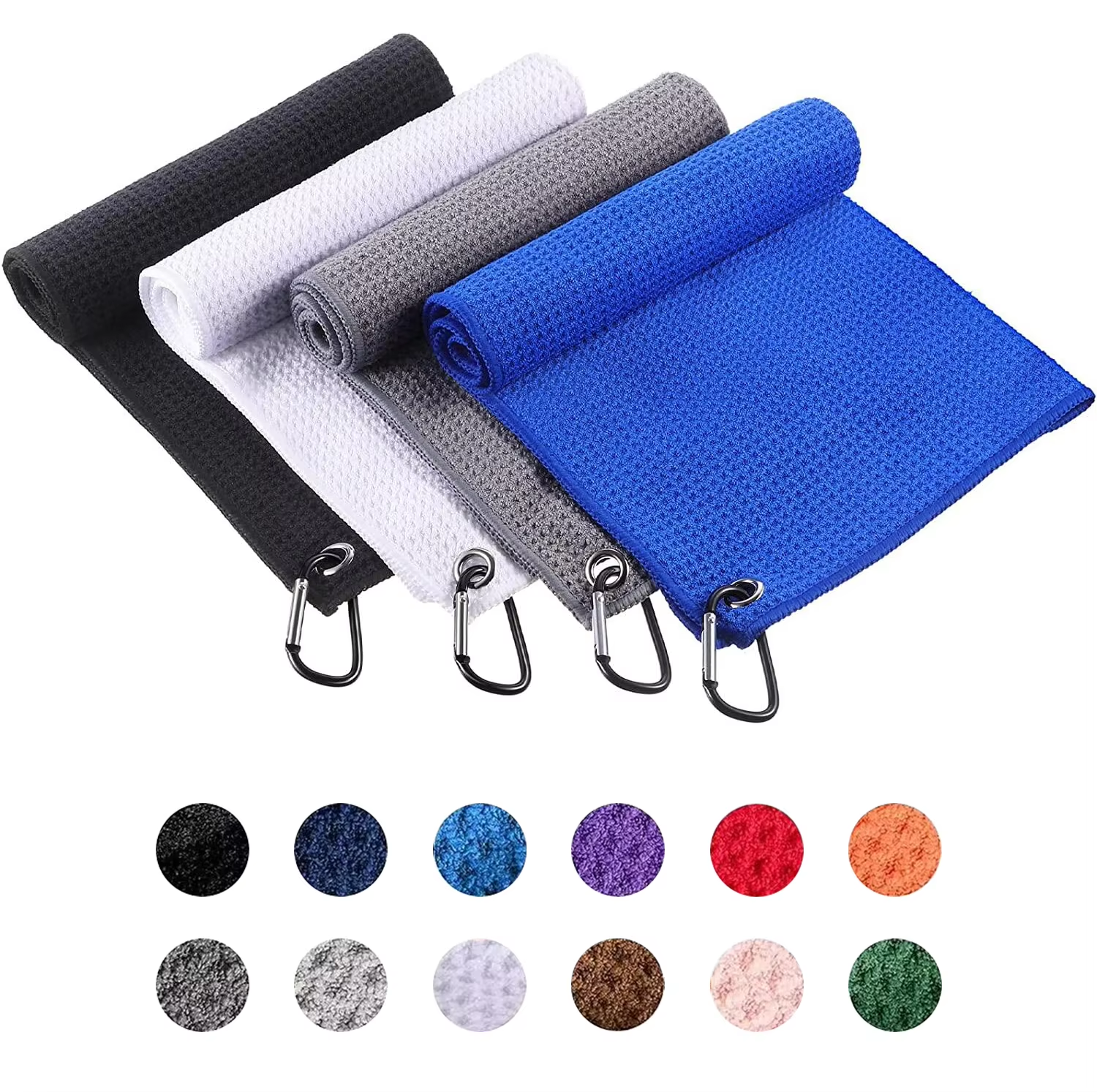
The exceptional space-saving properties of microfiber towels make them indispensable for travelers operating under strict luggage weight restrictions. A standard microfiber towel occupies approximately one-third the space of an equivalent cotton towel while providing superior absorption capacity. This compression advantage allows travelers to pack additional essential items without sacrificing hygiene standards or comfort levels during extended journeys.
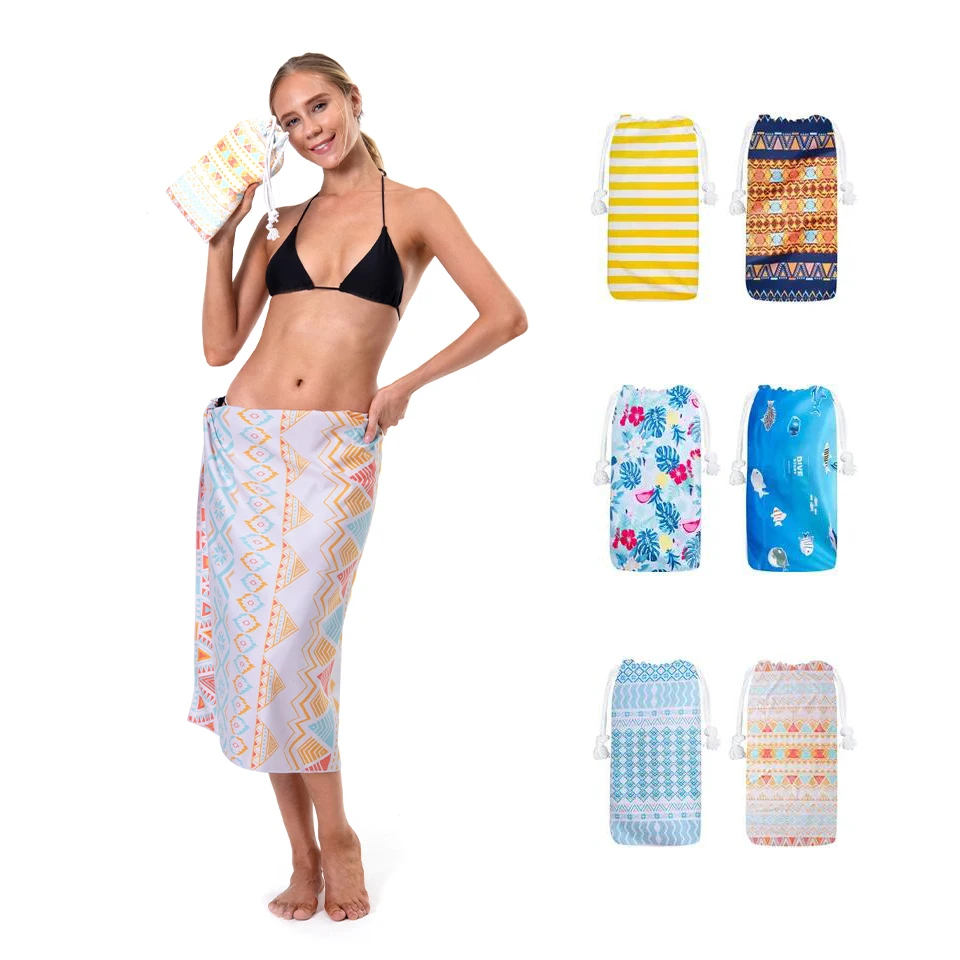
The lightweight nature of microfiber construction reduces overall luggage weight significantly, enabling travelers to avoid excess baggage fees while maintaining complete drying solutions. Many microfiber towels include integrated storage pouches or compression sacks that further minimize packed volume. These design features appeal particularly to backpackers, business travelers, and adventure enthusiasts who prioritize equipment efficiency and multipurpose functionality.
Modern microfiber towel designs incorporate intelligent storage features that enhance user experience and organizational efficiency. Mesh carrying bags, snap-loop attachments, and corner hanging tabs facilitate easy transport and drying in confined spaces. These practical additions address real-world usage scenarios that traditional towels cannot accommodate effectively.
The quick-fold properties of microfiber materials enable rapid packing and unpacking cycles, saving valuable time during travel preparations. Unlike cotton towels that require careful folding to prevent wrinkles and bulk, microfiber towels maintain their shape and compactness regardless of packing method. This resilience reduces stress and improves travel efficiency for users managing tight schedules or frequent accommodation changes.
The absorption rate of high-quality microfiber towels exceeds that of cotton alternatives by substantial margins, typically absorbing three to seven times more water per unit weight. This enhanced capacity results from the microscopic fiber structure that creates countless capillary channels, drawing moisture away from skin surfaces rapidly and effectively. The absorption mechanism operates through both wicking action and surface tension, ensuring thorough moisture removal even in humid environments.
Laboratory testing demonstrates that premium microfiber towels can absorb their weight in water within seconds of contact, compared to several minutes required for cotton towels of similar size. This rapid absorption prevents water pooling and reduces the likelihood of bacterial growth or unpleasant odors. The efficiency advantage becomes particularly pronounced during high-intensity activities where multiple drying cycles are necessary.
The quick-dry properties of microfiber towels represent perhaps their most valuable characteristic for active users. The synthetic fiber composition and loose weave structure promote accelerated evaporation rates, allowing wet towels to become completely dry within one to three hours under normal conditions. This rapid drying capability prevents mildew formation and eliminates the musty odors associated with damp cotton towels stored in confined spaces.
Temperature and humidity variations have minimal impact on microfiber drying times, making these towels reliable across diverse climatic conditions. Users can confidently pack slightly damp microfiber towels knowing they will dry completely during transport, whereas cotton towels might remain wet for days in unfavorable conditions. This reliability factor contributes significantly to user satisfaction and repeat purchase behavior in the travel and fitness markets.
Many modern microfiber towels incorporate antimicrobial treatments that inhibit bacterial growth and maintain hygiene standards during extended use periods. Silver ion technology, zinc pyrithione additives, and other antimicrobial agents are integrated into the fiber structure during manufacturing, providing long-lasting protection against harmful microorganisms. These treatments remain effective through numerous wash cycles, ensuring consistent hygiene performance throughout the towel's lifespan.
The synthetic nature of microfiber materials naturally resists bacterial colonization compared to organic cotton fibers that provide nutrients for microbial growth. This inherent resistance, combined with rapid drying properties, creates an environment unsuitable for bacterial proliferation. Users benefit from reduced infection risks and improved overall hygiene, particularly important for gym environments where pathogen exposure levels are elevated.
Microfiber towels require minimal maintenance effort while delivering superior cleanliness compared to traditional alternatives. The smooth fiber surface prevents dirt and bacteria from embedding deeply into the material structure, allowing thorough cleaning with standard washing procedures. Most microfiber towels can be effectively cleaned with cold water and mild detergent, reducing energy consumption and environmental impact.
The chemical resistance of synthetic microfiber allows users to employ stronger cleaning agents when necessary without fear of fiber damage or color loss. This durability enables effective sanitization protocols in gym and travel environments where hygiene requirements are stringent. The ability to withstand frequent washing cycles without degradation ensures long-term value and consistent performance throughout the product's lifespan.
The versatility of microfiber towels extends far beyond basic drying applications, making them essential tools for diverse travel scenarios. Backpackers utilize these towels as makeshift blankets, privacy screens, and ground covers due to their large surface area and lightweight construction. Beach travelers appreciate the sand-resistant properties that prevent particles from adhering to the smooth fiber surface, eliminating the frustration associated with traditional beach towels.
Business travelers benefit from the professional appearance and quick-dry capabilities that ensure presentable towels for hotel use or client meetings. The compact storage requirements align perfectly with carry-on luggage restrictions while maintaining luxury-level comfort and functionality. Adventure travelers rely on microfiber towels for equipment cleaning, first aid applications, and emergency shelter construction in challenging environments.
Gym enthusiasts embrace microfiber towels for their superior sweat absorption and hygienic properties during intense workout sessions. The lightweight design prevents fatigue during exercise while providing instant moisture removal for improved grip and comfort. The antimicrobial treatments reduce cross-contamination risks in shared fitness facilities, addressing health concerns that influence gym membership satisfaction and retention.
Professional athletes utilize microfiber towels for equipment maintenance, including cleaning exercise machines, yoga mats, and sports equipment. The lint-free properties prevent residue buildup on sensitive surfaces while the electrostatic attraction capabilities remove dust and debris effectively. These performance advantages contribute to equipment longevity and optimal training conditions for serious fitness practitioners.
The environmental advantages of microfiber towels include significant water and energy conservation during both manufacturing and use phases. The synthetic fiber production process requires less water than cotton cultivation, which demands extensive irrigation systems and chemical treatments. Additionally, the reduced washing frequency needed for microfiber towels decreases household water consumption and energy usage over the product's lifetime.
The durability characteristics of quality microfiber towels result in longer replacement cycles compared to cotton alternatives, reducing overall textile waste generation. A single microfiber towel can potentially replace multiple cotton towels throughout its extended lifespan, contributing to reduced environmental impact through decreased material consumption and waste disposal requirements.
Modern microfiber towel manufacturers increasingly focus on developing recycling programs and sustainable disposal methods for end-of-life products. Advanced recycling technologies can break down synthetic fibers for reprocessing into new textile products, creating circular economy opportunities within the industry. Some manufacturers offer take-back programs that ensure proper recycling and prevent microfiber towels from entering landfill waste streams.
Emerging biodegradable microfiber technologies promise to address long-term environmental concerns while maintaining the performance advantages that users demand. Research into plant-based synthetic fibers and compostable treatments continues to advance, potentially eliminating the environmental persistence issues associated with traditional synthetic materials while preserving the functional benefits that make microfiber towels superior to conventional alternatives.
Microfiber towels typically require washing every 3-5 uses compared to cotton towels that need washing after every 1-2 uses. The antimicrobial properties and quick-dry capabilities of microfiber materials inhibit bacterial growth and odor development, allowing extended use between wash cycles. However, washing frequency should increase during intense physical activities or in hot, humid conditions where bacterial proliferation risks are elevated.
High-quality microfiber towels are generally suitable for sensitive skin due to their smooth fiber structure and hypoallergenic properties. The synthetic materials do not contain natural proteins that commonly trigger allergic reactions, and the soft texture prevents skin irritation during use. However, individuals with severe skin sensitivities should test microfiber towels on small areas before full use and select products specifically designed for sensitive skin applications.
Premium microfiber towels maintain their absorption and quick-dry properties for hundreds of wash cycles when properly cared for using appropriate detergents and avoiding fabric softeners. The synthetic fiber structure resists degradation from repeated washing, unlike cotton fibers that gradually lose absorbency and softness. Following manufacturer care instructions ensures optimal performance longevity and maximizes the investment value of quality microfiber towels.
Microfiber towels are available in sizes ranging from compact travel versions to large bath sheet dimensions, matching or exceeding the size options available in cotton towels. The manufacturing flexibility of synthetic fibers allows producers to create custom sizes for specific applications without structural integrity concerns. Large microfiber towels maintain their lightweight and quick-dry advantages regardless of size, making them practical alternatives to traditional towels across all dimensional requirements.
 Hot News
2024-03-08
2024-03-08
2024-03-08
2024-03-08
2024-03-08
 EN
EN
 AR
AR
 NL
NL
 FR
FR
 DE
DE
 IT
IT
 JA
JA
 KO
KO
 PT
PT
 RU
RU
 ES
ES