
Home > Contact Us > News
The surge in popularity of cooling towels across outdoor sports venues and fitness clubs represents a significant shift in how athletes and fitness enthusiasts approach temperature regulation during intense physical activities. These innovative textiles have revolutionized the way people manage heat stress, providing immediate relief when traditional cooling methods fall short. As temperatures rise globally and outdoor activities become increasingly popular, cooling towels have emerged as essential equipment for maintaining peak performance and preventing heat-related complications during exercise.
The fundamental principle driving cooling towels relies on advanced evaporative cooling technology that mimics natural perspiration processes. These specialized textiles utilize microfiber construction and unique weaving patterns that maximize surface area exposure to air circulation. When activated with water, the fabric's molecular structure creates countless micro-pockets that hold moisture while allowing controlled evaporation, generating a cooling effect that can reduce skin temperature by up to fifteen degrees Fahrenheit.
The scientific foundation of this cooling mechanism involves the phase transition of water from liquid to vapor, which requires energy absorption in the form of heat. This endothermic process draws thermal energy away from the user's skin, creating an immediate sensation of cooling relief. Advanced synthetic materials used in modern cooling towels enhance this natural process through engineered fiber compositions that optimize water retention and evaporation rates.
Contemporary cooling towels incorporate cutting-edge textile technologies including polyvinyl alcohol polymers, bamboo charcoal fibers, and specialized microfiber blends designed for maximum cooling efficiency. These materials undergo rigorous testing to ensure optimal balance between water absorption, retention capacity, and evaporation timing. The result is a product that maintains cooling properties for extended periods while remaining lightweight and comfortable against the skin.
Manufacturing processes for high-quality cooling towels involve precise control of fiber density, weave patterns, and chemical treatments that enhance cooling performance. Some premium versions incorporate phase-change materials that provide additional temperature regulation by absorbing and releasing thermal energy at specific temperature thresholds, extending the cooling duration beyond traditional evaporative methods.
Outdoor athletes face significant challenges from elevated ambient temperatures, direct solar radiation, and reduced air circulation that can lead to dangerous heat-related conditions including heat exhaustion and heat stroke. Cooling towels provide a proactive defense mechanism against these risks by offering immediate temperature reduction during critical moments when core body temperature begins to rise beyond safe limits. This preventive approach has made cooling towels indispensable safety equipment for professional and amateur outdoor sports alike.
Research conducted by sports medicine professionals demonstrates that strategic use of cooling towels during breaks in outdoor activities can significantly reduce the incidence of heat-related medical emergencies. The ability to quickly lower skin temperature helps maintain the body's natural thermoregulatory mechanisms, preventing the cascade of physiological responses that lead to heat illness.
Temperature regulation directly impacts athletic performance through multiple physiological pathways including cardiovascular efficiency, muscle function, and cognitive processing. When core body temperature rises above optimal ranges, the cardiovascular system must work harder to maintain circulation while simultaneously attempting to cool the body through increased perspiration. Cooling towels help maintain optimal operating temperatures, allowing athletes to preserve energy for performance rather than temperature regulation.
Studies measuring power output, endurance capacity, and reaction times in hot weather conditions consistently show improved metrics when cooling towels are used during rest periods and between competitive events. The psychological benefits of feeling cool and comfortable also contribute to enhanced focus and decision-making abilities that are crucial for competitive success in outdoor sports.
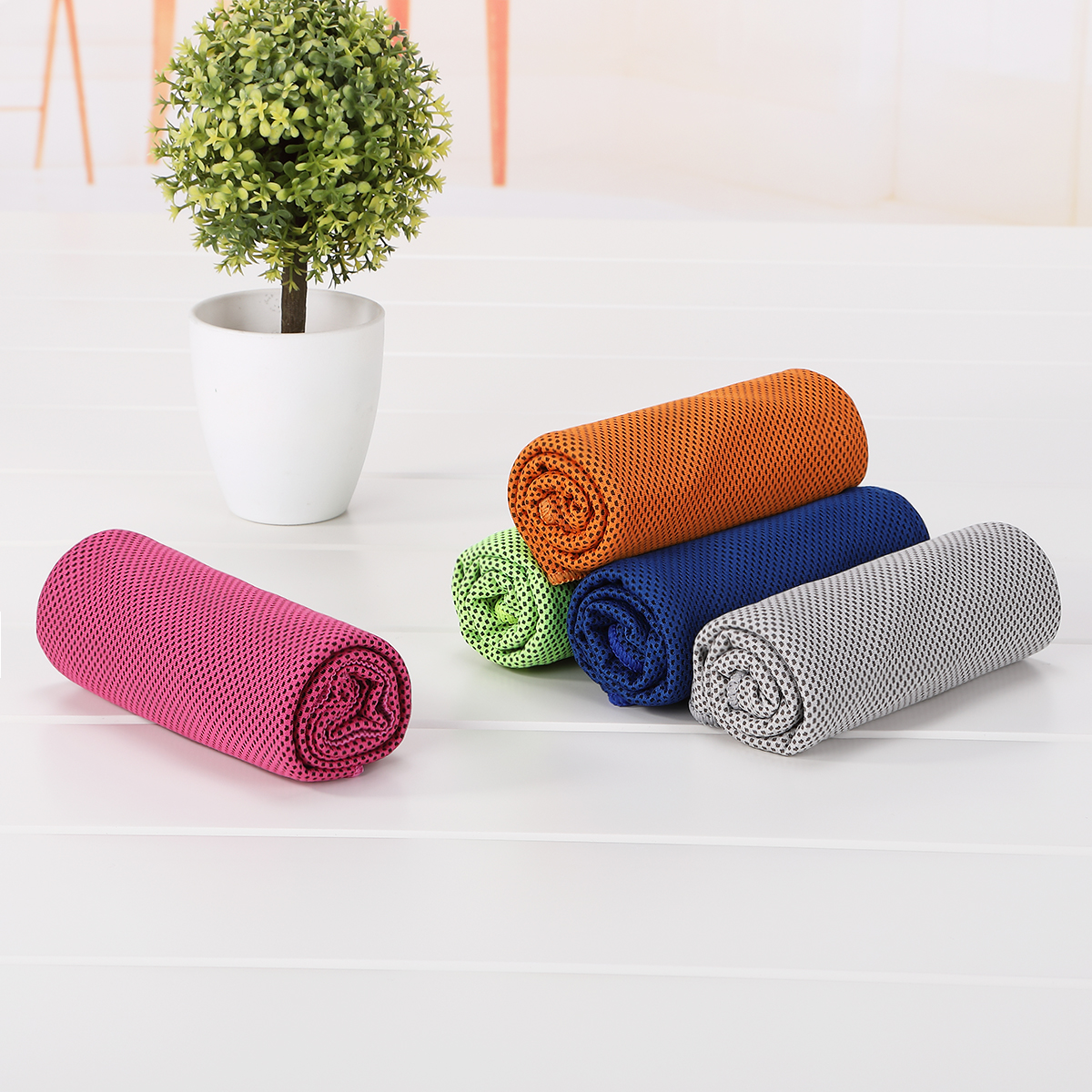
Modern fitness clubs recognize that member retention depends heavily on providing comprehensive amenities that enhance the workout experience and demonstrate commitment to member wellness. Cooling towels have become standard equipment in forward-thinking fitness facilities, particularly those offering outdoor classes, heated yoga sessions, and high-intensity interval training programs. These facilities report increased member satisfaction and class attendance when cooling towels are readily available.
The integration of cooling towels into fitness club operations extends beyond simple amenity provision to encompass strategic wellness programming. Many facilities now incorporate cooling towel education into their orientation processes, teaching new members about proper usage techniques and the physiological benefits of active temperature management during exercise.
From an operational perspective, cooling towels offer fitness clubs numerous advantages including reduced liability exposure related to heat-related incidents, improved class capacity utilization during hot weather, and enhanced differentiation from competing facilities. The relatively low cost of providing cooling towels compared to other amenities makes them an attractive investment for facilities seeking to improve member experience without significant capital expenditure.
Fitness clubs that provide cooling towels often report extended workout durations among members, leading to improved fitness outcomes and higher perceived value of membership services. This extended engagement translates into stronger member loyalty and reduced churn rates, making cooling towels a sound business investment for fitness facility operators.
Consumer awareness of cooling towels has expanded dramatically over the past decade, driven by increased media coverage of heat-related health risks and growing participation in outdoor fitness activities. Social media platforms have amplified awareness through user-generated content showcasing cooling towels in action during various sports and fitness activities. This organic marketing has created substantial demand across diverse demographic segments including recreational athletes, professional sports teams, and casual fitness enthusiasts.
Market research indicates that cooling towel sales experience seasonal spikes correlating with temperature increases and outdoor activity participation. However, year-round usage has grown significantly as consumers discover applications beyond traditional hot-weather scenarios, including post-workout recovery, migraine relief, and general comfort enhancement during various activities.
Manufacturers continue investing in research and development to improve cooling towel effectiveness, durability, and user experience. Recent innovations include antimicrobial treatments to prevent odor and bacterial growth, custom sizing options for specific sports applications, and eco-friendly materials that appeal to environmentally conscious consumers. These developments have expanded the addressable market and created opportunities for premium product positioning.
The competitive landscape for cooling towels has intensified as traditional textile companies and startup innovators compete to capture market share through technological advancement and strategic marketing. This competition benefits consumers through improved product quality, expanded features, and competitive pricing across various market segments.
Long-distance running events, cycling competitions, and triathlon races have embraced cooling towels as essential support equipment for athlete safety and performance optimization. Race organizers now commonly provide cooling towel stations at aid stations and finish lines, recognizing their importance for participant welfare and event safety standards. Elite athletes incorporate cooling towels into their pre-competition preparation routines and recovery protocols to maintain optimal body temperature throughout extended competitive efforts.
The portability and reusability of cooling towels make them ideal for endurance events where weight and space considerations are critical factors. Unlike ice or other cooling methods that require constant replenishment, cooling towels can be reactivated with readily available water, making them practical solutions for remote or resource-limited competitive environments.
Team sports including football, soccer, baseball, and tennis have integrated cooling towels into standard equipment protocols for both practice sessions and competitive matches. Coaching staff utilize cooling towels strategically during timeouts, between innings, and at halftime to help maintain player comfort and performance levels throughout extended periods of physical exertion in challenging weather conditions.
Training facilities for professional and collegiate teams now stock cooling towels as standard equipment, similar to traditional towels and water bottles. This normalization reflects the growing recognition among sports medicine professionals and coaching staff that proactive temperature management contributes significantly to injury prevention and performance maintenance during intense training regimens.
Most quality cooling towels provide cooling relief for approximately two to four hours depending on ambient temperature, humidity levels, and air circulation conditions. The cooling duration can be extended by periodically re-wetting the towel or storing it in a cool, damp environment between uses. Higher-end models incorporating advanced materials may maintain cooling properties for extended periods through enhanced water retention and controlled evaporation rates.
Cooling towels manufactured from hypoallergenic materials are generally safe for individuals with sensitive skin, though people with specific allergies or skin conditions should consult healthcare providers before use. Many cooling towels undergo dermatological testing to ensure compatibility with sensitive skin types. Users should always follow manufacturer instructions regarding proper activation and cleaning procedures to minimize potential skin irritation.
Cooling towels have numerous applications beyond athletic activities including fever reduction, migraine relief, hot flash management, and general comfort during hot weather conditions. Medical professionals sometimes recommend cooling towels for patients experiencing certain health conditions that benefit from external temperature regulation. The versatility of cooling towels makes them valuable household items for various cooling needs throughout the year.
Proper care for cooling towels involves regular washing with mild detergent, air drying to preserve fabric integrity, and storage in clean, dry conditions when not in use. Most cooling towels are machine washable, though users should avoid fabric softeners and bleach that can damage the specialized fibers and reduce cooling effectiveness. Following manufacturer care instructions ensures optimal performance and extends the useful life of the cooling towel investment.
 Hot News
2024-03-08
2024-03-08
2024-03-08
2024-03-08
2024-03-08
 EN
EN
 AR
AR
 NL
NL
 FR
FR
 DE
DE
 IT
IT
 JA
JA
 KO
KO
 PT
PT
 RU
RU
 ES
ES