
Home > Contact Us > News
Modern yoga practitioners understand that the right equipment can significantly impact their practice experience. Among the essential accessories, a high-quality yoga mat towel stands out as a crucial component for maintaining stability, comfort, and hygiene during sessions. The material composition of these specialized towels directly influences their performance characteristics, particularly in terms of moisture absorption and slip resistance. Understanding the various material options available helps practitioners make informed decisions that enhance their yoga journey while ensuring safety and effectiveness during challenging poses and heated sessions.
Microfiber represents one of the most popular materials used in premium yoga mat towel construction due to its exceptional absorption capabilities and quick-drying properties. These ultra-fine synthetic fibers, typically made from polyester and polyamide blends, create a dense weave that can hold up to seven times its weight in moisture. The microscopic structure of microfiber creates countless tiny spaces that trap sweat and moisture effectively, preventing it from pooling on the surface where it could create slippery conditions.
The manufacturing process of microfiber yoga mat towel products involves splitting synthetic fibers into strands that are significantly thinner than human hair. This splitting process creates edges and surfaces that enhance the material's ability to capture and hold moisture while maintaining a soft, comfortable texture against the skin. Premium microfiber towels often incorporate specialized treatments that enhance their antimicrobial properties, reducing odor retention and bacterial growth even after intense practice sessions.
Quality microfiber towels demonstrate superior durability compared to traditional cotton alternatives, maintaining their absorption properties and structural integrity through hundreds of wash cycles. The synthetic nature of microfiber makes it naturally resistant to mold and mildew, essential characteristics for equipment that regularly encounters moisture and humidity in yoga studio environments.
Modern microfiber yoga mat towel designs incorporate various grip enhancement technologies that activate when exposed to moisture. Silicone dots or patterns printed on the underside create friction points that anchor the towel to the yoga mat surface, preventing bunching and sliding during dynamic movements. These grip technologies work synergistically with the moisture-absorbing properties of microfiber, becoming more effective as perspiration increases during practice.
Some manufacturers integrate specialized weaving techniques that create texture variations across the towel surface, providing different grip levels for hands and feet. These textural elements help practitioners maintain proper alignment and stability during challenging poses, while the microfiber material simultaneously manages moisture to prevent slipping. The combination of material science and engineering design makes microfiber an excellent choice for practitioners who require reliable performance across various yoga styles and intensities.
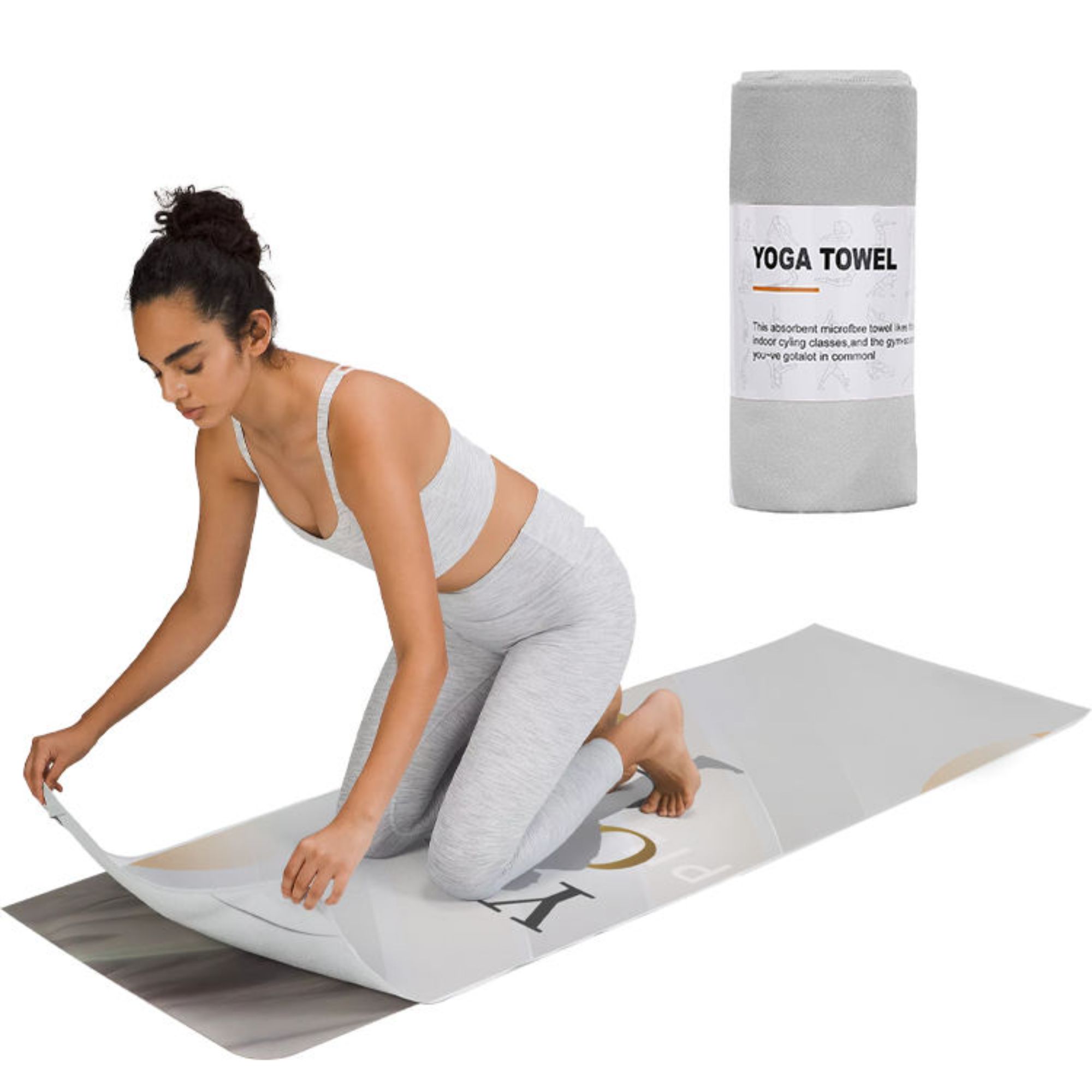
Organic cotton represents a traditional approach to yoga mat towel construction, appealing to practitioners who prefer natural materials and sustainable manufacturing processes. Cotton fibers possess natural absorbency characteristics that make them suitable for moderate-intensity yoga sessions, though their performance differs significantly from synthetic alternatives. The cellular structure of cotton creates natural spaces that can hold moisture, but the absorption rate and capacity remain lower than microfiber options.
Premium organic cotton yoga mat towel products often feature terry cloth construction or waffle weave patterns that increase surface area and enhance absorption capabilities. These textural modifications help cotton compete more effectively with synthetic materials while maintaining the natural feel and breathability that many practitioners prefer. However, cotton towels typically require more time to dry completely and may retain moisture longer than synthetic alternatives.
The environmental benefits of organic cotton appeal to eco-conscious practitioners, as these materials biodegrade naturally and require fewer chemical treatments during production. Quality organic cotton towels can provide adequate performance for gentle to moderate yoga practices, particularly in air-conditioned studio environments where excessive sweating is less common.
Bamboo fiber represents an emerging natural alternative in yoga mat towel construction, offering unique properties that bridge the gap between traditional cotton and synthetic microfiber. The cellular structure of bamboo fibers creates natural antibacterial and moisture-wicking properties, making them particularly suitable for yoga applications. Bamboo towels typically demonstrate superior absorption rates compared to cotton while maintaining the natural feel and environmental benefits that appeal to sustainability-focused practitioners.
The processing methods used to create bamboo textile fibers can vary significantly, affecting the final performance characteristics of the yoga mat towel. Mechanically processed bamboo maintains more of the plant's natural properties, while chemically processed bamboo creates smoother, more uniform fibers that may offer enhanced durability and consistency. Understanding these processing differences helps practitioners select bamboo towels that align with their performance requirements and environmental values.
Innovative manufacturers have developed hybrid materials that combine the best characteristics of synthetic and natural fibers in a single yoga mat towel construction. These blended fabrics typically feature microfiber for absorption and quick-drying properties combined with natural cotton for comfort and breathability. The ratio of synthetic to natural fibers varies among manufacturers, allowing for customization of performance characteristics to meet specific user requirements.
Blended yoga mat towel materials often demonstrate improved durability compared to pure natural fiber alternatives while maintaining some of the comfort and environmental benefits associated with organic materials. The synthetic component provides structural strength and moisture management, while the natural fibers contribute softness and temperature regulation during use. These hybrid approaches represent a compromise solution for practitioners who want enhanced performance without completely abandoning natural materials.
Quality control in blended fabric production requires precise manufacturing techniques to ensure uniform distribution of different fiber types throughout the towel structure. Uneven blending can create performance inconsistencies, with some areas providing better absorption or grip than others. Premium hybrid towels undergo extensive testing to verify consistent performance characteristics across the entire surface area.
Advanced yoga mat towel designs incorporate specialized surface coatings that enhance grip and absorption properties regardless of the base material composition. These coatings may include silicone treatments that create texture when wet, hydrophilic treatments that improve moisture absorption, or antimicrobial treatments that reduce odor and bacterial growth. The application of these coatings requires precise manufacturing techniques to ensure durability and effectiveness over time.
Some manufacturers apply gradient coating techniques that create different performance zones across a single yoga mat towel, with enhanced grip areas positioned where hands and feet typically contact the surface. These specialized applications demonstrate how modern manufacturing techniques can optimize natural and synthetic materials for specific yoga applications, creating products that perform better than traditional uniform construction methods.
Scientific evaluation of yoga mat towel materials involves standardized testing procedures that measure absorption capacity, rate of moisture uptake, and drying time characteristics. These tests typically involve exposing towel samples to controlled amounts of moisture while measuring how quickly the material absorbs the liquid and how much total volume can be retained. Premium materials consistently demonstrate superior performance across these metrics, though the specific requirements may vary based on intended use patterns.
Professional testing facilities use precise measurement tools to evaluate the microscopic structure of different towel materials, analyzing pore size distribution and fiber density characteristics that influence absorption performance. These technical specifications help manufacturers optimize their products and provide consumers with objective data for comparing different yoga mat towel options. Understanding these test results enables practitioners to select materials that match their specific sweat production and practice intensity levels.
Long-term testing procedures evaluate how absorption and grip characteristics change over time with regular use and washing cycles. Quality materials maintain consistent performance characteristics even after extensive use, while inferior materials may show significant degradation in absorption capacity or structural integrity. These durability assessments are crucial for practitioners who plan to use their towels regularly over extended periods.
Comprehensive evaluation of yoga mat towel performance includes testing grip characteristics under various moisture conditions and surface textures. Professional testing involves measuring the coefficient of friction between the towel and different yoga mat materials, both in dry and wet conditions. These measurements provide objective data about how effectively different materials maintain stability during dynamic yoga movements.
Standardized testing procedures simulate real-world yoga conditions by applying controlled pressure and lateral forces to towel samples while measuring slip resistance. Quality yoga mat towel materials demonstrate consistent grip performance across a range of moisture levels, with many synthetic materials actually improving their grip characteristics when exposed to moderate amounts of moisture. These performance characteristics are essential for maintaining safety during challenging poses that require reliable traction.
Different yoga mat towel materials require specific care procedures to maintain their performance characteristics and extend their useful life. Microfiber towels typically benefit from washing in cool water with mild detergents that do not contain fabric softeners, which can clog the microscopic fiber structure and reduce absorption capacity. Hot water and harsh chemicals may damage synthetic fibers and reduce their effectiveness over time.
Natural fiber yoga mat towel options often require different care approaches, with cotton towels benefiting from warm water washing and thorough drying to prevent mold and mildew growth. Bamboo fiber towels may require gentle washing cycles to preserve their natural antimicrobial properties and fiber structure. Understanding these care requirements helps practitioners maintain optimal performance from their chosen towel materials throughout their useful life.
Air drying represents the preferred method for most premium yoga mat towel materials, as high heat from machine dryers can damage synthetic fibers and shrink natural materials. Proper storage in dry, ventilated areas prevents odor development and extends the time between necessary washing cycles, particularly important for practitioners who use their towels multiple times per week.
Quality yoga mat towel materials demonstrate specific performance degradation patterns that indicate when replacement becomes necessary. Microfiber towels may show reduced absorption capacity or develop permanent odors that indicate the fiber structure has been compromised. Visual inspection for pilling, thinning, or texture changes provides early warning signs that replacement may be needed soon.
Natural fiber towels typically show different wear patterns, with cotton materials potentially developing holes or significant texture changes over time. Bamboo fiber towels may lose their natural antimicrobial properties or become less soft with extended use and washing. Recognizing these degradation patterns helps practitioners replace their towels before performance becomes compromised during important practice sessions.
The ideal yoga mat towel material depends primarily on your sweat production level and practice intensity. For hot yoga or vigorous vinyasa practices, microfiber materials provide superior absorption and quick-drying properties that maintain grip throughout extended sessions. Moderate-intensity practices may work well with bamboo or cotton blends, while gentle yoga styles can accommodate pure natural fiber options that prioritize comfort over maximum absorption capacity.
Fabric softeners should be avoided when washing most yoga mat towel materials, particularly microfiber constructions. These products coat fibers with lubricating compounds that significantly reduce absorption capacity and can eliminate grip-enhancing properties. Instead, use mild detergents and add white vinegar occasionally to remove buildup and restore absorption characteristics without damaging the fiber structure.
Replacement frequency varies significantly based on material quality and usage patterns. Premium microfiber towels may maintain performance for 12-18 months of regular use, while natural fiber options typically require replacement every 6-12 months. Signs indicating replacement needs include reduced absorption, persistent odors, visible wear patterns, or diminished grip performance that affects practice safety and comfort.
Premium materials typically offer superior performance, durability, and longevity that can justify higher initial costs for regular practitioners. Quality microfiber or hybrid constructions maintain their absorption and grip characteristics longer than budget alternatives, reducing replacement frequency and providing better value over time. However, occasional practitioners may find adequate performance from mid-range materials that balance cost and functionality for limited use applications.
 Hot News
2024-03-08
2024-03-08
2024-03-08
2024-03-08
2024-03-08
 EN
EN
 AR
AR
 NL
NL
 FR
FR
 DE
DE
 IT
IT
 JA
JA
 KO
KO
 PT
PT
 RU
RU
 ES
ES