Home > Contact Us > News
When choosing between microfiber and cotton towels for gym use, understanding their absorbency and comfort levels is crucial. Microfiber towels offer exceptional absorbency, capable of soaking up to seven times their weight in water, making them ideal for intense workout sessions. They dry quickly, reducing the risk of bacteria build-up. Cotton towels, on the other hand, are known for their softness, providing comfort against the skin, although they might retain moisture longer than microfiber. In terms of longevity, microfiber towels tend to last longer and require less frequent washing compared to cotton, making them a practical choice for regular gym-goers seeking durability and convenience.
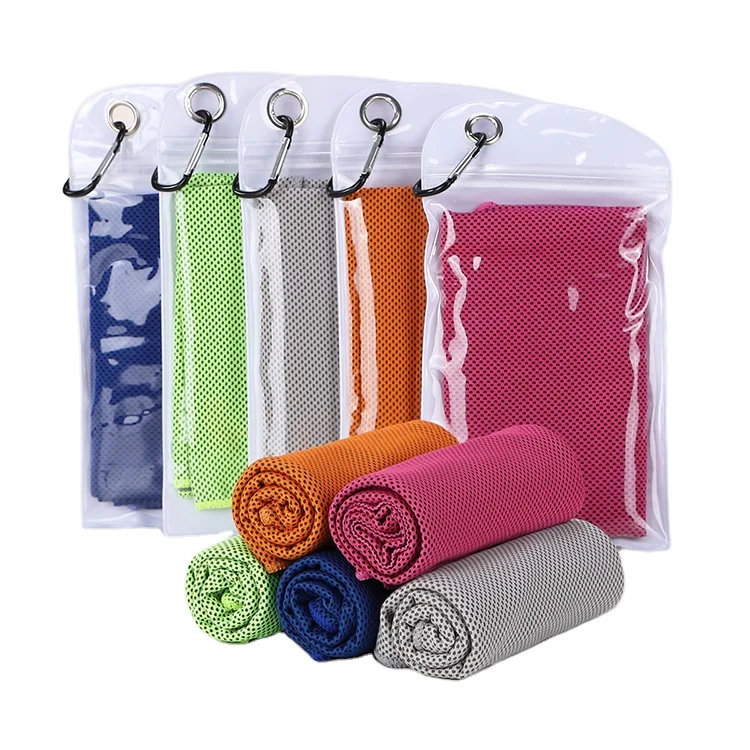
Cooling technology in sports towels provides athletes with immediate relief during high-intensity activities. This technology often uses evaporative cooling methods, allowing towels to reduce body temperature by up to 10 degrees, which is particularly beneficial in hot conditions. Brands like Mission and Frogg Toggs have integrated this cooling feature into their products, enhancing the performance of athletes in endurance sports and high-temperature environments. These high-performance sports towels cater to athletes involved in marathon running, cycling, and rigorous training sessions, offering an edge in both comfort and performance.
Bamboo blends in gym towels are gaining popularity due to their eco-friendly and sustainable nature. Bamboo towels boast natural antibacterial properties, making them a suitable choice for maintaining hygiene in sports facilities. According to statistical reports, bamboo production requires substantially less water and energy compared to conventional cotton, resulting in a lower carbon footprint. As more fitness centers aim to cultivate eco-friendly credentials, bamboo towels are being adopted as part of their sustainable initiatives, appealing to environmentally conscious consumers and strengthening their green commitments in the market.
Choosing the right size for gym towels is essential for their versatility and effectiveness. For equipment wiping, the typical dimensions range from 16"x 30", providing a practical balance between coverage and ease of handling. When considering full-body use, larger towels around 30"x 60" are more preferable, ensuring comprehensive drying after intense workouts. Different gym settings, such as commercial gyms with a variety of equipment and home gyms with limited space, benefit from these varied towel sizes. Fitness experts often highlight that towel size should be influenced by the nature of the activity, whether it's a quick wipe-down after cardio or complete drying post-swim, thereby enhancing the overall gym experience.
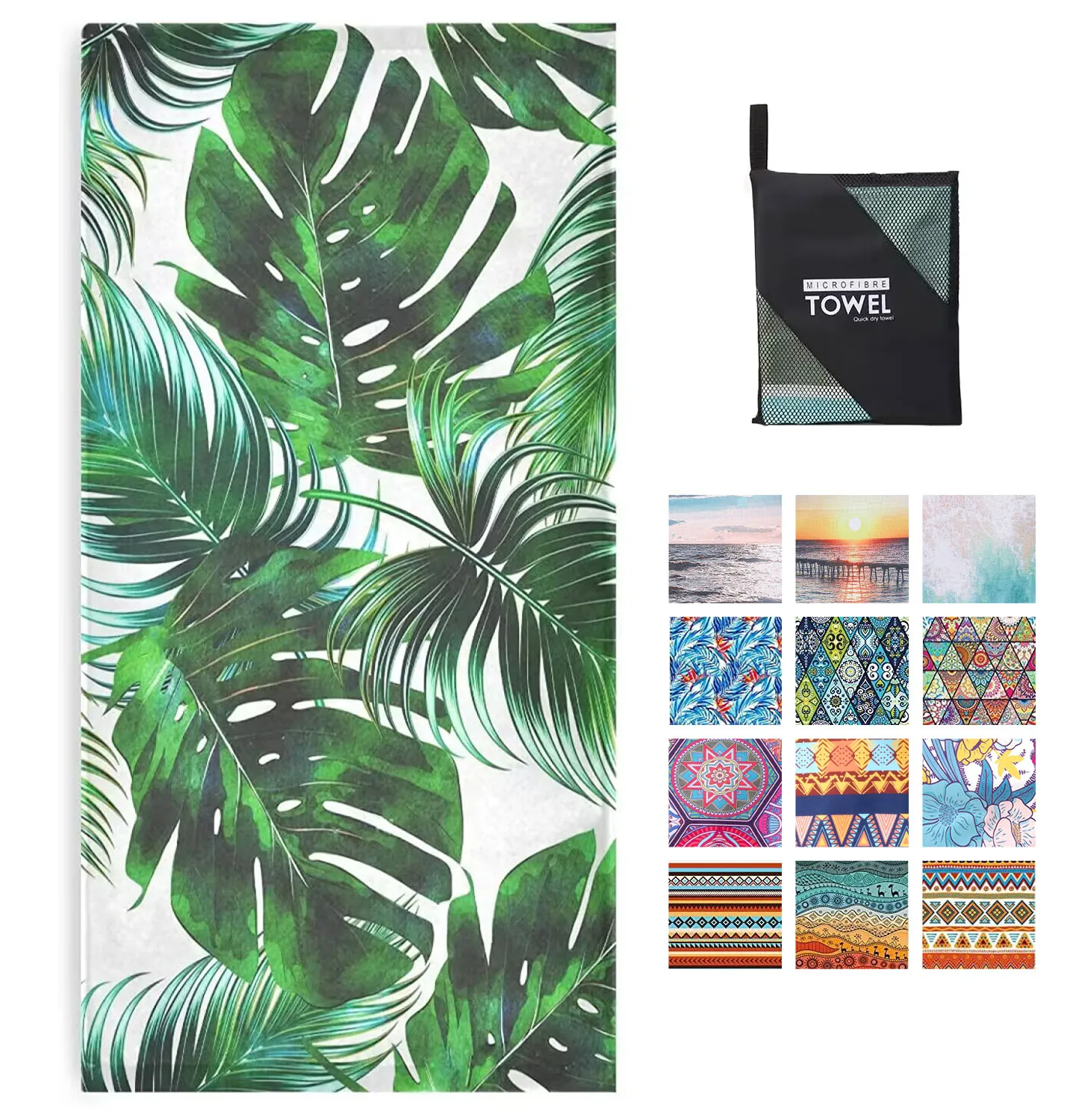
The significance of lightweight gym towels cannot be overstated, especially when they are intended for portability. Ideally, these towels should weigh under 0.5 pounds, making them easy to carry in a gym bag. Materials like microfiber contribute to lightweight designs while offering additional benefits, such as rapid drying and enhanced absorbency, crucial for active users who frequently travel. In the market, several lightweight options stand out, featuring the advantages of contemporary materials that focus on both usability and convenience, ensuring that fitness enthusiasts are never burdened by cumbersome gear.
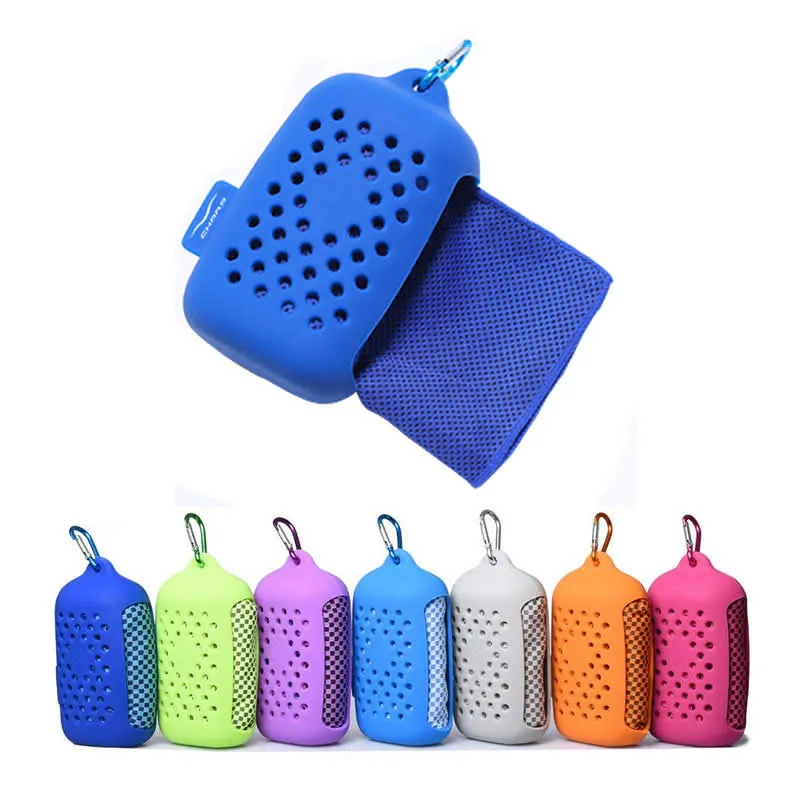
Space-efficient designs in gym towels, including roll-up and foldable options, are a transformative upgrade for those struggling with limited storage. Roll-up towels help minimize the storage space required, a boon for smaller gyms and personal workout areas. Additionally, foldable towels can easily fit into bags or personal lockers, becoming indispensable for on-the-go exercise routines. Many users report that the convenience offered by these compact designs is a key factor in their preference, alongside the convenience of quickly grabbing a neatly stored towel without hassle as they transition between workout stations.
Understanding GSM, or grams per square meter, is essential when discussing towel absorbency. A higher GSM rating typically signifies better moisture retention, making it a crucial factor in selecting gym towels. For gym towels, high-performance models often start around 400 GSM. Experts from the fitness industry continuously advocate for towels with substantial GSM ratings due to their excellent sweat absorption capabilities during intense workouts. This is corroborated by various industry studies, which highlight the vital role of GSM in effective moisture management.
Quick-drying fabrics play a pivotal role in gym hygiene, as they help to inhibit bacterial growth, which is crucial in maintaining cleanliness. Polyester and antimicrobial-treated fibers are renowned for their fast-drying properties, making them ideal for gym towels. According to health organizations, bacteria are prevalent on wet towels, hence the importance of choosing materials that dry rapidly. This feature is particularly beneficial for those who wish to maintain hygiene standards in gym environments.
Moisture-wicking technology is designed to move sweat away from the body, keeping you dry and comfortable during workouts. Brands that offer scientifically backed wicking properties are highly recommended, as they effectively manage sweat and keep surfaces dry. Athletes often provide positive feedback about the comfort and efficiency of moisture-wicking towels, which become indispensable during strenuous activities. This insight reflects the practical benefits these towels bring to intense workout sessions, enhancing the overall exercise experience.
Feel free to explore more personalized gym towel options that cater specifically to these aspects.
It's crucial to use industrial-grade fibers in gym towels designed for high-frequency commercial use because they offer superior durability compared to standard fabrics. These fibers are specifically engineered to withstand rigorous wash cycles, thereby extending the lifespan of gym towels in busy environments like hotel fitness centers and cruise ship gyms. Regular maintenance routines, such as washing and drying correctly, significantly contribute to maximizing the longevity of these towels. Gym owners have shared their experiences, noting that towels made from industrial-grade fibers suffer less wear and tear, allowing them to maintain their quality for longer periods. This durability not only provides economic advantages but also ensures consistent comfort and hygiene for gym users.
Bleach-resistant treatments are a significant innovation for gym towels, especially in settings where they are subjected to frequent washing cycles. These treatments ensure that the towels maintain their color and vibrancy over time, reducing the need for replacement and thereby offering a cost-effective solution for gyms. Several brands have ventured into offering bleach-resistant gym towels, receiving positive responses from users due to their longevity and maintenance ease. Facilities that utilize bleach-resistant towels have reported a noticeable reduction in maintenance costs, freeing up resources that can be better allocated elsewhere. Testimonials from these facilities highlight the practicality of investing in bleach-resistant fabrics for long-term use without sacrificing the aesthetic quality.
Antimicrobial coatings in gym towels are essential to maintain hygiene and prevent odor and bacterial buildup, particularly in shared gym settings. These coatings work by inhibiting the growth of bacteria and fungi, ensuring a healthier environment for all users. Industry standards and certifications exist for antimicrobial properties in fabrics, providing assurance that these treatments are effective. Health professionals advocate for the use of antimicrobial towels in gyms, noting their health benefits, including reduced risk of skin infections and illnesses for regular users. Incorporating these towels into gym facilities underscores a commitment to user safety and hygiene and elevates the overall gym experience.
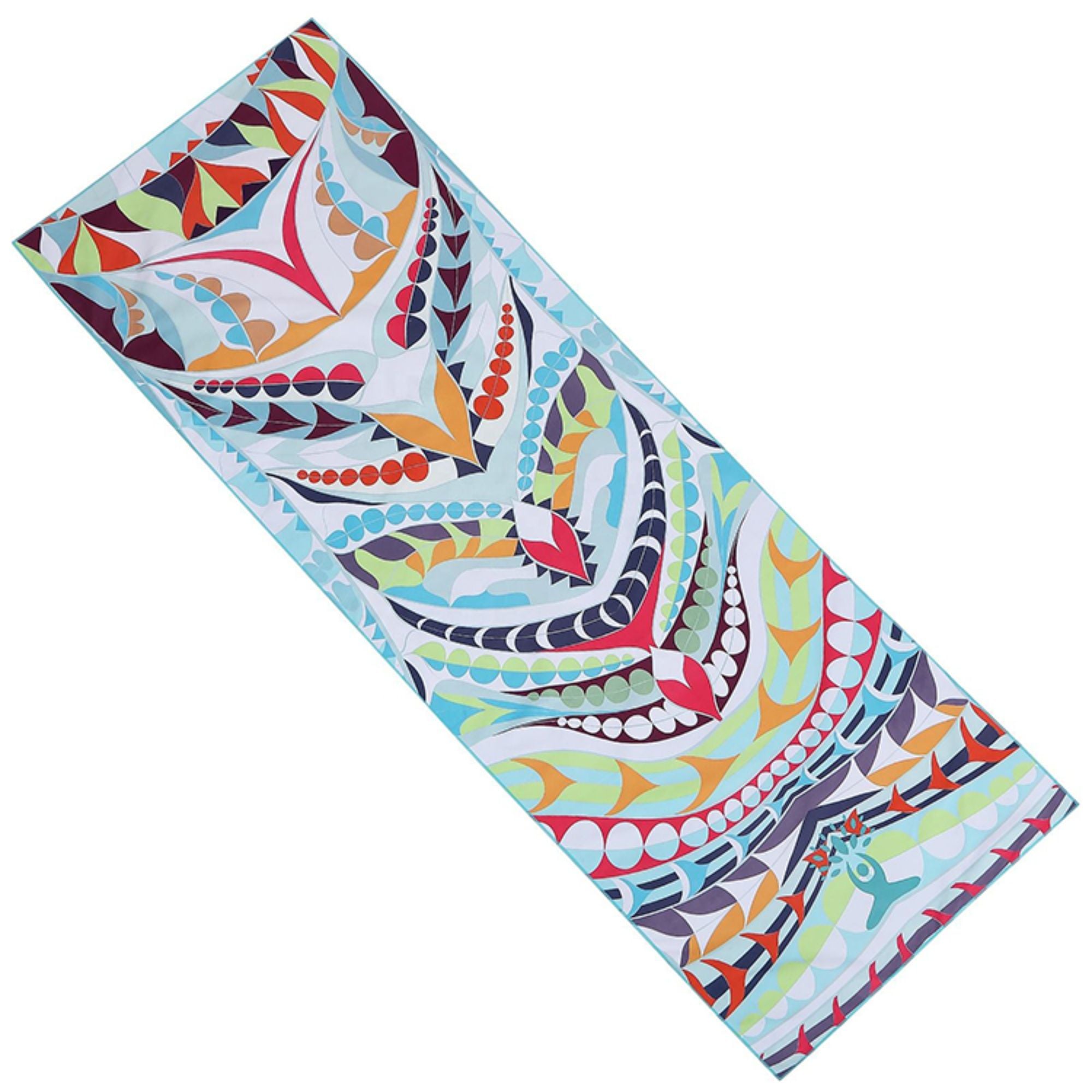
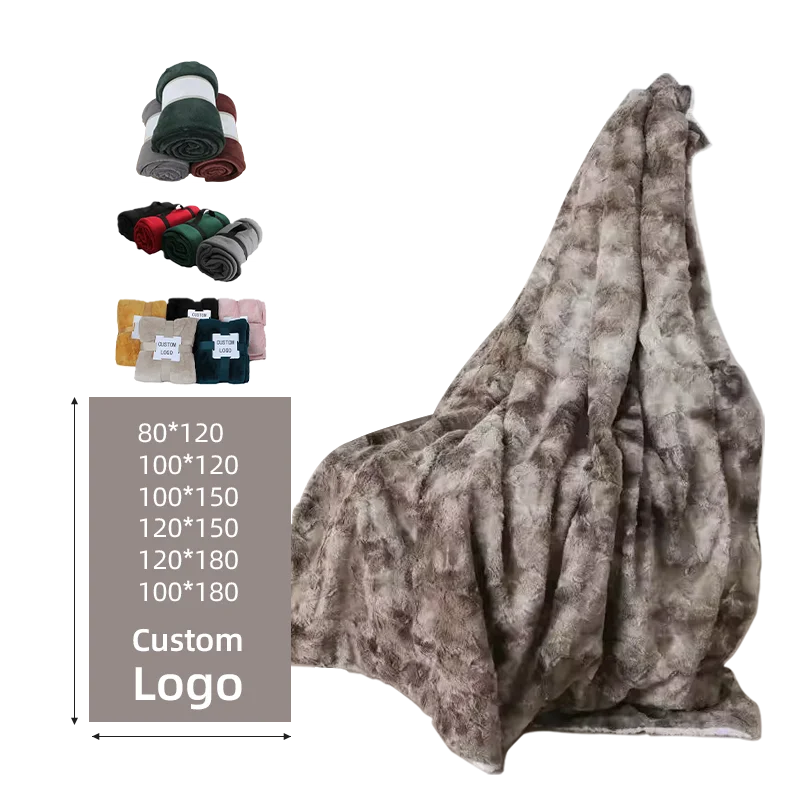
Personalized gym towels offer a unique opportunity for gyms to enhance their brand identity while providing effective hygiene solutions. By featuring the gym's logo or name, these towels foster a sense of belonging and loyalty among members. Personalization options include embroidery and printing, which allow for tailored designs that appeal to individual customers. Some major fitness chains have adopted personalized towels as part of their branding strategy, elevating the gym experience and encouraging repeat visits through a strong visual identity. Overall, the use of personalized gym towels not only contributes to a cleaner environment but also reinforces brand recognition, making them an increasingly popular choice.
In multi-sport facilities, versatile towel designs cater to the diverse needs of athletes, particularly in sports like golf. These towels often come with design elements that enhance functionality, including clip features for easy attachment to bags or golf carts. The convenience provided by these design elements makes golf towels indispensable in sports facilities. Studies have shown an increasing trend of multi-sport memberships, underscoring the need for tailored towel solutions that accommodate various preferences and promote ease of use. As multi-sport facilities grow, so too does the demand for specialized towels that meet a range of sporting requirements.
Implementing color-coding systems in gyms can significantly improve hygiene and operational efficiency, as it facilitates easy identification of equipment-specific towels. This strategic approach helps prevent cross-contamination and ensures every towel is used appropriately, minimizing bacterial transfer. Experts recommend choosing bright, contrasting colors for easy visibility and effective management, enhancing user experience and ensuring everyone picks the right towel for their exercise routine. The advantages of using color-coded towels not only streamline gym operations but also promote a cleaner, healthier environment for all users, making it a favored practice among fitness facilities.
 Hot News
2024-03-08
2024-03-08
2024-03-08
2024-03-08
2024-03-08
 EN
EN
 AR
AR
 NL
NL
 FR
FR
 DE
DE
 IT
IT
 JA
JA
 KO
KO
 PT
PT
 RU
RU
 ES
ES