
Home > Contact Us > News
Maintaining the vibrant colors and intricate patterns of jacquard towels requires understanding the unique textile construction that makes these luxury bath linens so distinctive. Unlike standard terry cloth towels, jacquard towels feature complex woven designs that create raised patterns directly in the fabric structure. This sophisticated weaving technique produces towels with exceptional durability and aesthetic appeal, but proper care is essential to preserve their beauty over time. The investment in quality jacquard towels pays dividends when maintained correctly, as these premium textiles can retain their luxurious appearance for years with appropriate washing, drying, and storage techniques.
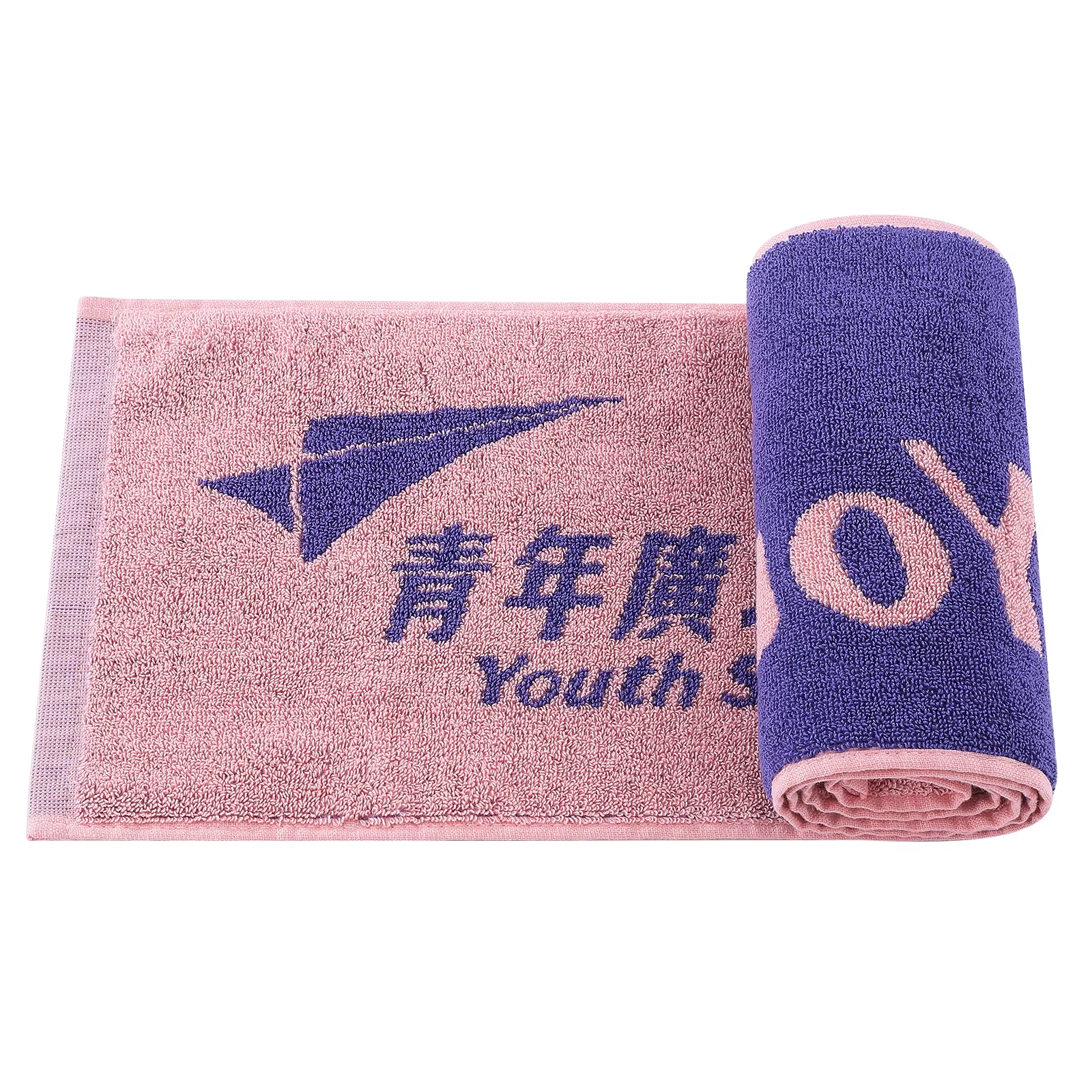
Jacquard towels derive their name from the specialized Jacquard loom invented by Joseph Marie Jacquard in 1804, which revolutionized textile manufacturing by enabling complex pattern creation during the weaving process. This mechanical innovation allows manufacturers to create intricate designs, logos, and decorative borders directly into the fabric structure rather than printing them on the surface. The resulting towels feature raised and recessed areas that form beautiful patterns while maintaining the absorbent properties essential for bath linens. Understanding this construction method helps explain why jacquard towels require more careful maintenance than standard printed or solid-colored alternatives.
The complexity of jacquard weaving means that different threads may have varying dye penetration levels, creating the multi-dimensional appearance that makes these towels so appealing. However, this same characteristic makes color preservation more challenging, as some threads may be more susceptible to fading than others. The three-dimensional nature of jacquard patterns also creates areas where dirt, soap residue, and minerals from hard water can accumulate, making thorough cleaning essential for maintaining both appearance and hygiene standards.
Most high-quality jacquard towels are manufactured from 100% cotton or cotton blends, with Egyptian cotton and Pima cotton being preferred for their long fibers and superior absorbency. The fiber length and quality directly influence how well the towel maintains its color and pattern clarity over multiple wash cycles. Long-staple cotton fibers are less prone to pilling and fiber breakage, which can dull the appearance of intricate jacquard patterns. When selecting jacquard towels for longevity, examining the cotton quality and GSM (grams per square meter) rating provides insight into expected performance and care requirements.
Some manufacturers incorporate small percentages of synthetic fibers like polyester or modal to enhance durability and color retention in jacquard towels. These blended fabrics often maintain their appearance longer but may require adjusted care routines to accommodate the different fiber properties. Understanding your towel's exact composition allows for optimized maintenance practices that preserve both the natural cotton benefits and any synthetic enhancements incorporated during manufacturing.
Water temperature plays a crucial role in maintaining the vibrancy of jacquard towels, with cool to warm water temperatures between 60-80°F proving most effective for color preservation. Hot water can cause dyes to bleed and fade more rapidly, particularly affecting the lighter colors in multi-colored jacquard patterns. Additionally, excessive heat can damage cotton fibers over time, leading to reduced absorbency and a rougher texture that diminishes the luxurious feel of quality jacquard towels. Establishing a consistent washing temperature helps maintain uniform appearance across your entire towel collection.
Selecting appropriate detergents significantly impacts the longevity of jacquard towel colors and patterns. Mild, color-safe detergents without optical brighteners or bleaching agents provide the best results for maintaining original hues. Concentrated detergents should be diluted properly, as excessive soap residue can build up in the textured areas of jacquard patterns, creating a dull appearance and potentially harboring bacteria. Liquid detergents generally rinse more completely than powder formulations, reducing the risk of residue accumulation in the complex weave structure of jacquard towels.
Overcrowding washing machines prevents adequate water circulation and can cause jacquard towels to rub against each other excessively, leading to fiber damage and pattern distortion. Loading towels loosely allows for proper agitation while minimizing mechanical stress on the delicate weave structure. Separating jacquard towels by color families prevents dye transfer, which is particularly important during the first several washes when excess dyes may still be present in the fabric. Dark-colored jacquard towels should be washed separately from light colors until color bleeding is no longer observed.
Selecting gentle or delicate wash cycles reduces mechanical agitation that can damage jacquard patterns over time. These cycles use lower agitation speeds and shorter wash times while still providing effective cleaning action. Adding an extra rinse cycle ensures complete detergent removal, which is especially important for jacquard towels due to their textured surface that can trap soap residue. Some high-end washing machines offer specific settings for delicate textiles that optimize water levels, temperatures, and agitation patterns for premium fabrics like jacquard towels.
Air drying represents the gentlest method for preserving jacquard towel quality, eliminating heat-related damage while allowing natural fiber relaxation that maintains pattern definition. Hanging jacquard towels on wide, padded hangers or laying them flat prevents stretching and distortion of the intricate woven patterns. Outdoor air drying provides natural freshness but requires protection from direct sunlight, which can cause uneven fading and color deterioration. Indoor air drying in well-ventilated areas offers more controlled conditions while still providing the benefits of heat-free drying.
When machine drying becomes necessary due to time constraints or weather conditions, using low heat settings with extended drying times produces better results than high heat cycles. The tumbling action of dryers can help maintain the loft and texture of jacquard towels when used properly, but excessive heat can set wrinkles permanently and cause shrinkage that distorts patterns. Removing jacquard towels while slightly damp and allowing them to finish air drying prevents over-processing while still benefiting from the fluffing action of machine drying.
Traditional fabric softeners can reduce the absorbency of jacquard towels by coating fibers with waxy residues that repel water rather than absorbing it. This coating effect is particularly problematic for jacquard patterns, as it can fill in the textured areas and diminish the visual definition that makes these towels distinctive. When softness is desired, using white vinegar in the rinse cycle provides natural softening without compromising absorbency or pattern clarity. Adding half a cup of white vinegar periodically also helps remove mineral deposits that can dull colors over time.
Dryer sheets present similar concerns regarding residue buildup and should be used sparingly, if at all, with jacquard towels. The chemicals in commercial dryer sheets can interfere with moisture absorption and create uneven texture in patterned areas. Wool dryer balls offer a natural alternative that reduces static and softens towels through mechanical action rather than chemical coatings. These reusable alternatives also help reduce drying time, which further protects jacquard towels from heat exposure while maintaining their luxurious texture and appearance.
Proper folding techniques help maintain the dimensional quality of jacquard patterns while preventing permanent creases that can distort the visual appeal of these luxury towels. Folding along natural pattern lines when possible reduces stress on the weave structure and helps preserve the three-dimensional appearance that distinguishes jacquard towels from flat-printed alternatives. Avoiding excessive compression during storage prevents the flattening of raised pattern areas that contribute to the tactile and visual richness of quality jacquard towels.
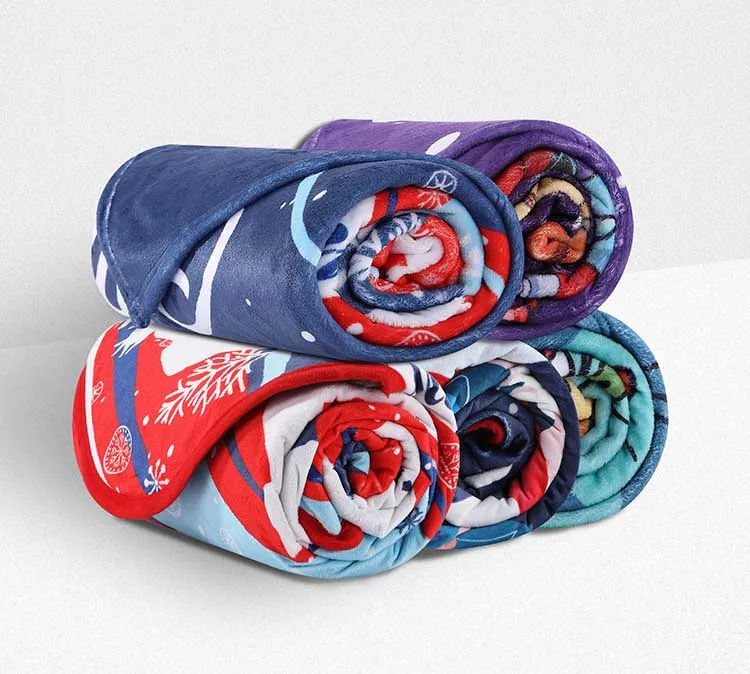
Rolling rather than folding provides an alternative storage method that eliminates crease lines entirely while maintaining the integrity of jacquard patterns. This technique works particularly well for towels with large, complex patterns that might be distorted by traditional folding methods. When rolling jacquard towels, starting from one end and maintaining even tension prevents bunching and ensures uniform storage dimensions. Cedar-lined storage areas provide natural moth protection while allowing air circulation that prevents mustiness and mildew development.
Controlling humidity levels in storage areas protects jacquard towels from mold, mildew, and the musty odors that can develop in damp conditions. Ideal storage conditions maintain relative humidity between 30-50%, which preserves fiber integrity without creating an environment conducive to microbial growth. Excessive humidity can cause colors to run or fade unevenly, particularly affecting the lighter shades in multi-colored jacquard patterns. Using moisture absorbers or dehumidifiers in storage areas helps maintain optimal conditions for long-term towel preservation.
Temperature stability also plays a crucial role in maintaining jacquard towel quality during storage periods. Extreme temperature fluctuations can cause fibers to expand and contract repeatedly, potentially weakening the weave structure and affecting pattern definition over time. Storing jacquard towels in climate-controlled environments prevents these issues while also reducing the risk of pest infestations that can damage natural fiber textiles. Avoiding storage in attics, basements, or other areas subject to temperature extremes helps ensure that jacquard towels maintain their beauty and functionality for many years.
When jacquard towels begin showing signs of color fading, identifying the root cause helps prevent further deterioration while potentially restoring some vibrancy. Sun exposure, chlorine bleach, and excessive heat are the primary culprits behind premature color loss in jacquard towels. Implementing immediate changes to washing and drying routines can halt further fading, while certain restoration techniques may help revive dulled colors. Color-restoring products specifically designed for cotton textiles can sometimes rejuvenate faded jacquard towels, though results vary depending on the extent of damage and original dye quality.
Professional textile restoration services offer advanced treatments for valuable or sentimental jacquard towels that have suffered significant color loss. These specialists use specialized equipment and techniques not available to consumers, potentially achieving dramatic improvements in appearance. However, prevention remains far more effective than restoration, making proper care from the initial purchase the most reliable strategy for maintaining jacquard towel beauty. Documenting successful care routines helps establish consistent practices that preserve towel quality across entire collections.
Texture changes in jacquard towels often result from improper washing techniques, excessive heat exposure, or fabric softener buildup over time. Restoring proper texture typically requires stripping accumulated residues through special washing procedures using hot water and powerful detergents designed for deep cleaning. This process should be performed carefully and infrequently, as aggressive cleaning can damage delicate jacquard patterns if overdone. Following residue removal with proper care techniques usually restores much of the original texture and absorbency that makes jacquard towels so desirable.
Pattern distortion in jacquard towels can occur from stretching during washing, improper drying techniques, or storage under heavy weight. Minor distortions often resolve naturally through proper washing and drying cycles that allow fibers to relax into their original positions. Severe pattern distortion may require professional attention or careful hand-stretching while the towel is damp to restore proper dimensions. Preventing pattern distortion through gentle handling and appropriate care techniques proves far more effective than attempting corrections after damage occurs, emphasizing the importance of establishing proper routines from the beginning.
Jacquard towels should be washed after every 3-4 uses under normal conditions, though this frequency may increase with heavy use or in humid environments where bacterial growth accelerates. Washing too frequently can cause premature wear and color fading, while insufficient washing allows buildup of oils, dead skin cells, and bacteria that can damage fibers and create unpleasant odors. The key is finding the balance that maintains hygiene while preserving the towel's aesthetic and functional qualities through appropriate care intervals.
Most jacquard towels can be professionally dry cleaned, though this method is typically unnecessary and may be more expensive than proper home care. Dry cleaning can be beneficial for towels with heavy staining or when dealing with delicate vintage pieces that require gentle handling. However, the chemicals used in dry cleaning may affect the absorbency of cotton fibers, potentially reducing the towel's primary function. Always check care labels and consult with dry cleaning professionals about specific treatment options for jacquard towels before proceeding with this service option.
If color bleeding occurs during washing, immediately remove the affected jacquard towels from the water and rinse them separately in cold water until the runoff becomes clear. For towels that have absorbed dye from other items, commercial color-removal products designed for cotton fabrics may help restore the original appearance. Prevention proves more effective than correction, so always test new jacquard towels for color fastness by dampening a small, inconspicuous area with cold water and pressing it against white fabric to check for dye transfer before the first wash.
Hard water contains minerals that can build up in jacquard towel fibers, causing stiffness, dullness, and reduced absorbency over time. Installing a water softening system provides the most comprehensive solution, but adding white vinegar to rinse cycles or using specialized detergents designed for hard water conditions can also help. Regular deep cleaning with products that remove mineral buildup helps restore towel softness and maintains the visual appeal of jacquard patterns that can become obscured by accumulated deposits.
 Hot News
2024-03-08
2024-03-08
2024-03-08
2024-03-08
2024-03-08
 EN
EN
 AR
AR
 NL
NL
 FR
FR
 DE
DE
 IT
IT
 JA
JA
 KO
KO
 PT
PT
 RU
RU
 ES
ES